
Pole Position in Real Estate: Inside Lewis Hamilton's Global Property Empire

He's claimed seven Formula 1 world championships. Now take a lap around the other empire he's quietly been building — one penthouse at a time.
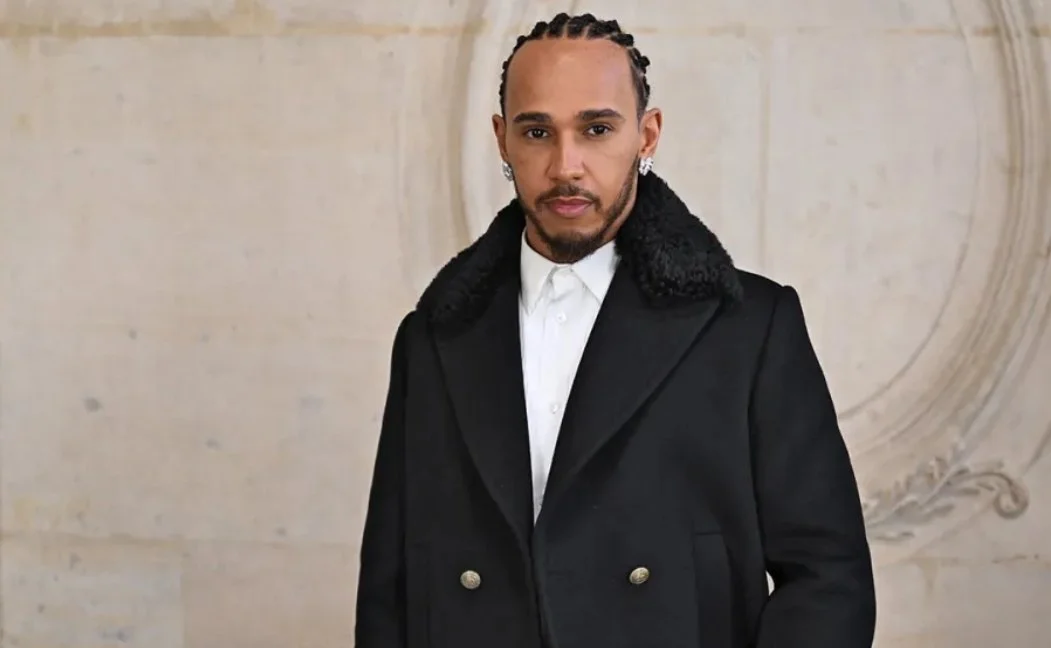
Lewis Hamilton has always known how to play the long game. On the track, that means tire management, pit strategy, and reading conditions fifteen corners ahead. Off it, it means something else entirely: a sprawling, meticulously curated collection of luxury properties spread across some of the world's most coveted addresses. From a lakeside Swiss retreat purchased before he'd won his first championship, to a brand-new Milan apartment secured just in time for his headline-grabbing Ferrari debut, Hamilton's real estate portfolio reads like a Grand Prix calendar rewritten for the ultra-wealthy.

Let's go corner by corner.

Switzerland, 2007 — Where It All Started

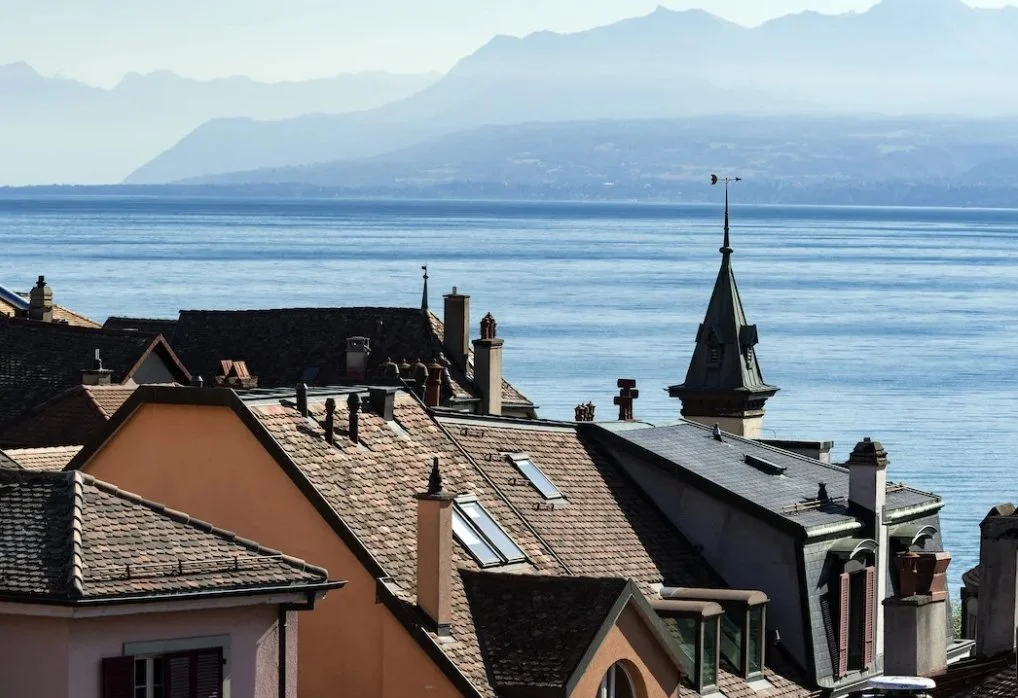
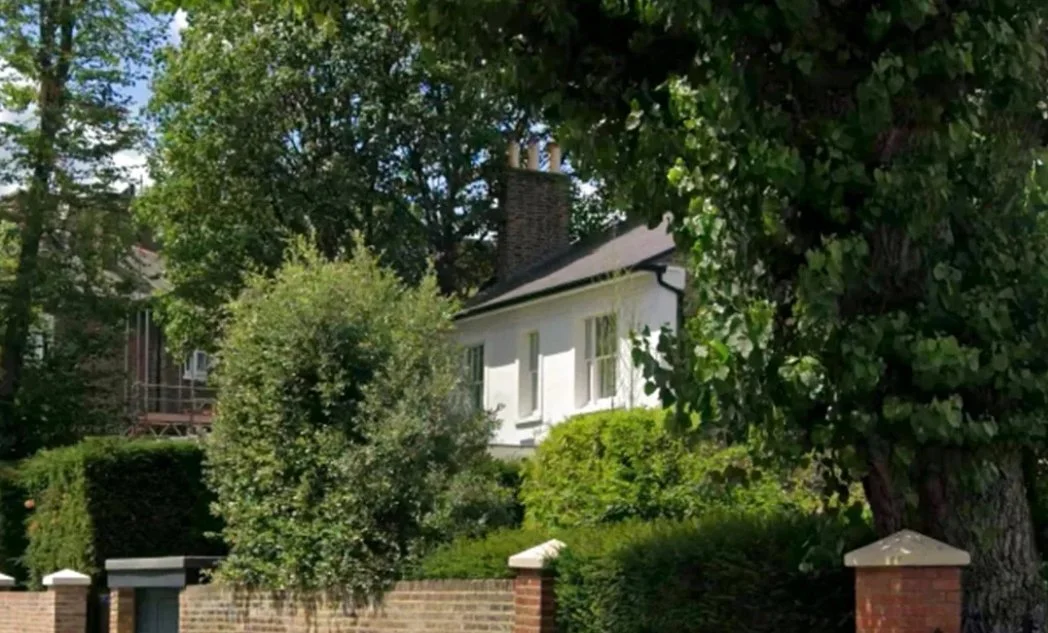
The very first entry in Hamilton's property ledger is quietly understated for someone who would go on to own penthouses with squash courts and Hudson River panoramas. Back in 2007 — the year of his rookie F1 season with McLaren — he picked up a three-bedroom apartment in Luins, a small village in the Nyon district above Lake Geneva.

The move was strategic as much as personal. Switzerland has long been the unofficial home away from home for Formula 1 royalty: Michael Schumacher, Fernando Alonso, and Kimi Räikkönen all made similar choices for the same reasons — favorable tax treatment, discretion, and that particular Swiss quality of being somewhere beautiful that also somehow feels like nowhere at all. Hamilton's apartment, overlooking the shimmering expanse of Lac Léman, gave him a foothold in that world from the very beginning of his career.
Monaco — The Paddock's Most Prestigious Address

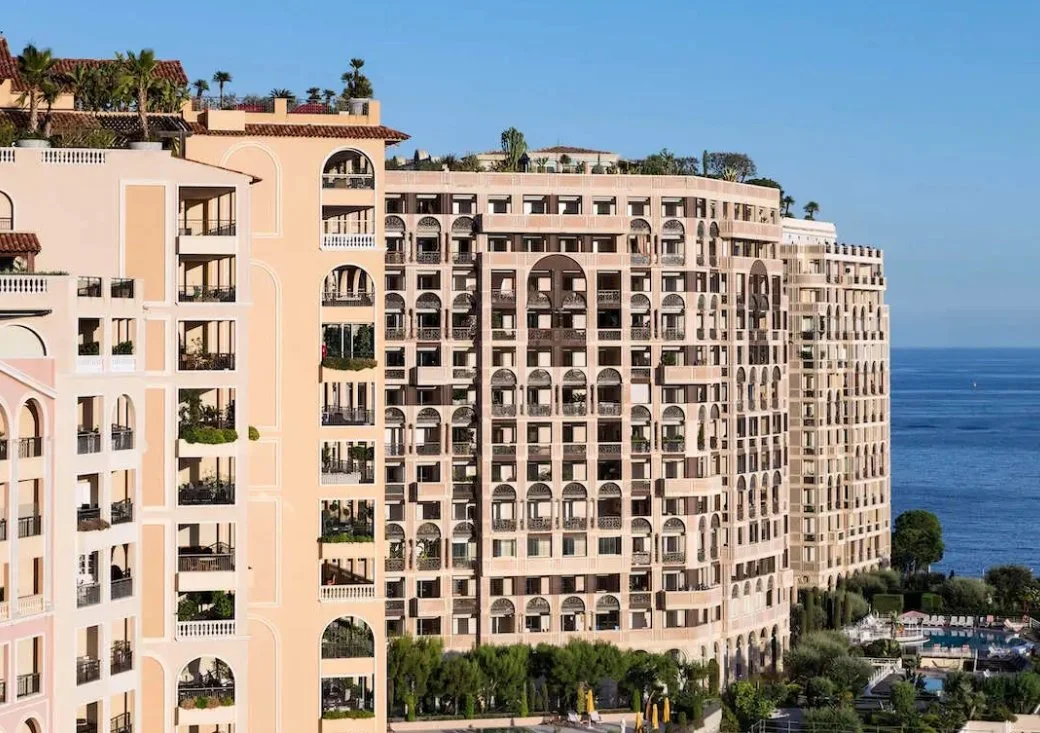
No Formula 1 property tour is complete without Monaco, and Hamilton is no exception. His primary residence for much of his career has been in the Fontvieille district — one of Monaco's quieter, more private quarters, away from the Grand Prix spectacle and the superyacht traffic of the port. Penthouse apartments in Fontvieille can command north of £30 million, and Hamilton's is believed to be among the district's most enviable addresses, with infinity pool access and the kind of security and privacy that a global celebrity requires.

The appeal goes beyond lifestyle. Monaco's zero income tax rate is something of a permanent pole position for high earners, and the principality's proximity to the circuits of Southern Europe made it an obvious base during his Mercedes years.
London, 2017 — Coming Home in Style

In 2017, Hamilton put down roots in a place that actually felt like home: a magnificent four-story Kensington mansion purchased for approximately £18.2 million from Christopher Bailey, then the creative director of Burberry. The property is everything you'd expect from one of London's most prestigious postcodes — multiple reception rooms, generous square footage, and that particular Kensington quality of grandeur that never quite tips into ostentation.

It was a meaningful acquisition. Hamilton has often spoken about his upbringing in Stevenage, the ordinariness of his early life before F1 transformed it. Owning a Kensington mansion wasn't just wealth management; it was a statement of arrival. Whether or not he spends the majority of his time there (Monaco tax residency has its obligations), the London house represents something personal that the others don't quite.
New York City — Two Penthouses, One Legendary Exit

Hamilton's relationship with Manhattan deserves its own chapter, and arguably its own accountant.

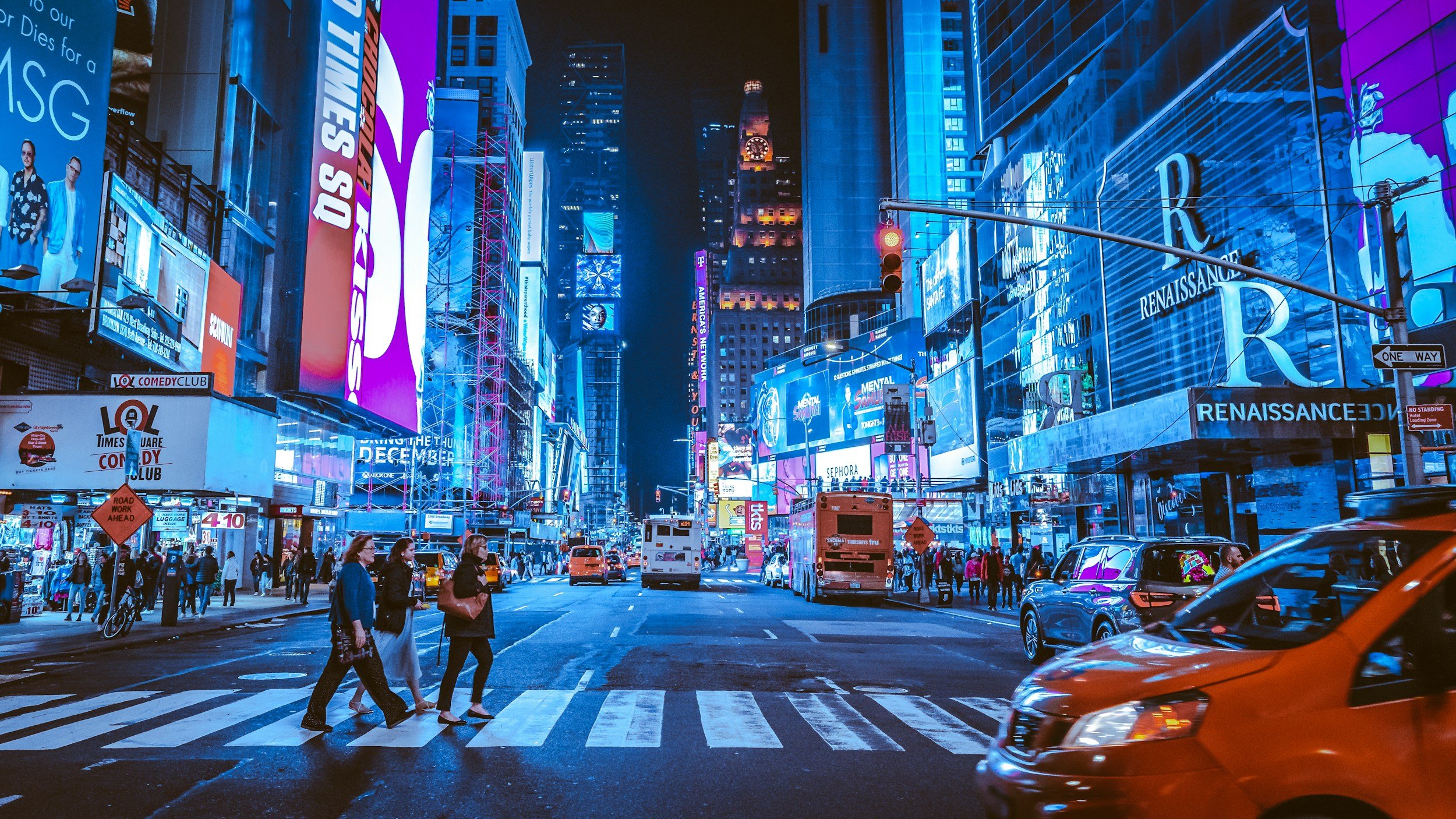
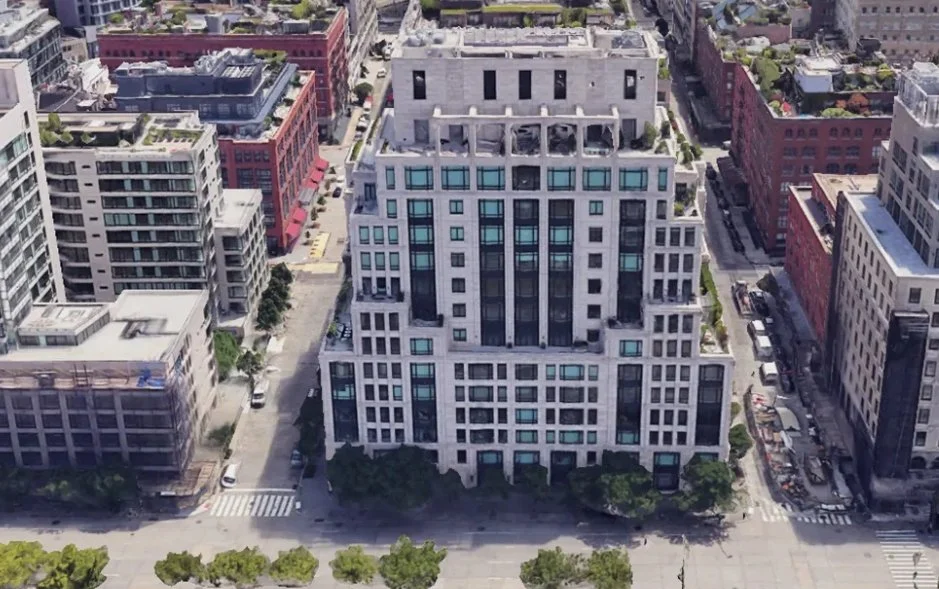
In 2017, he acquired a spectacular Tribeca penthouse spanning three floors and approximately 8,900 square feet, for around $44 million. Five bedrooms, six bathrooms, and the kind of raw loft-meets-luxury aesthetic that only Tribeca does at that price point.

Then, in 2019, he doubled down: a second Manhattan penthouse, this time in a condo development that counted NFL legend Tom Brady among its part-owners, purchased for around $41 million. The 6,457-square-foot residence came with panoramic Hudson River views, a private swimming pool, a home gym, and — because apparently a regular gym isn't enough — a squash court.

By 2021, Hamilton had sold the Tribeca penthouse for an eye-watering $50 million, banking a clean profit of roughly $6 million. His New York chapter is perhaps the clearest demonstration of Hamilton's real estate instincts: buy well, hold patiently, exit on your terms.
Colorado — The Quiet One

Less discussed than the Manhattan penthouses or the Monaco base, Hamilton's retreat in Colorado — believed to be in or around the Aspen area — reflects a different side of his personality. The mountains, the altitude, the clean-air remove from the global circus of Formula 1. It also dovetails with his investment in the Denver Broncos, the NFL franchise he became a minority stakeholder in — a move that both deepened his American connections and added another asset class to his portfolio.

For a driver who has spent decades living out of hotels and motorhomes for nine months of every year, the Colorado property feels like somewhere he might actually go to exhale.

Milan, 2025 — The Ferrari Chapter Begins

The most recent addition is also the most symbolically loaded. Ahead of his much-anticipated move to Ferrari for the 2025 season, Hamilton secured a luxury apartment in Porta Nuova, Milan's gleaming, architecture-forward financial district. The neighborhood — all glass towers, boutique hotels, and aperitivo bars — is the city's most sought-after modern address, with property prices among the highest in Italy.

Hamilton reportedly considered properties in Modena and Bologna — both closer to Ferrari's Maranello base — before choosing the cosmopolitan energy of Milan. It's a characteristically Hamilton choice: practical (it's close enough to Maranello), but also calibrated for a life lived at the highest level. He wanted a city, not a commuter town.

The price hasn't been disclosed, but in Porta Nuova, you don't need to ask.

The Bigger Picture

Taken together, Hamilton's property portfolio isn't just a collection of expensive addresses — it's an autobiography in real estate. Each acquisition maps a moment in his career and his identity: the Swiss apartment of a hungry rookie, the Monaco fortress of a reigning champion, the London mansion of a Stevenage kid who made it, the New York penthouses of a global icon, the Milan apartment of a man who still has something left to prove.

The through-line isn't extravagance for its own sake. It's intentionality. Hamilton has always known that careers end, contracts expire, and form comes and goes. The portfolio he's built — now spanning at least five countries across two continents — is what endures when the chequered flag falls for the last time.

Seven titles. One property empire. The race, it turns out, was never just about the cars.

Instant Startup Deal Memo Service
$199.00

Instantly elevate your startup's investor appeal with a tailored deal memo crafted by professionals.

  • Create a professional deal memo effortlessly, enhancing your startup's appeal to investors.

  • Get insights into your product-market fit with tailored analysis from seasoned experts.

  • Streamline the investor connection process with clear, concise deal memos.

Unlock potential investment opportunities and set your startup on a path to success with ease and confidence. This service empowers you to focus on growth while we handle the heavy lifting of investor engagement.

What you get: 45 days from day of purchase of connection to Sports Tech Atlanta. After the deal memo is created, Sports Tech Atlanta will begin to direct communication to potential partners. This memo service does not guarantee an investment, deal, or partnership. Throughout the 45 days STA will send weekly check ins to update on outreach targets and communications. Upon completion of the 45 days. STA will deliver a report displaying performance, targets, outreach, and any additional information gathered throughout the process.
The World Cup Gamble

Instant Startup Deal Memo Service
$199.00

Instantly elevate your startup's investor appeal with a tailored deal memo crafted by professionals.

  • Create a professional deal memo effortlessly, enhancing your startup's appeal to investors.

  • Get insights into your product-market fit with tailored analysis from seasoned experts.

  • Streamline the investor connection process with clear, concise deal memos.

Unlock potential investment opportunities and set your startup on a path to success with ease and confidence. This service empowers you to focus on growth while we handle the heavy lifting of investor engagement.

What you get: 45 days from day of purchase of connection to Sports Tech Atlanta. After the deal memo is created, Sports Tech Atlanta will begin to direct communication to potential partners. This memo service does not guarantee an investment, deal, or partnership. Throughout the 45 days STA will send weekly check ins to update on outreach targets and communications. Upon completion of the 45 days. STA will deliver a report displaying performance, targets, outreach, and any additional information gathered throughout the process.

The World Cup Gamble: Airbnbs, Cities, and the Fear of Losing Big

The World Cup Gamble

Airbnb hosts spent tens of thousands renovating. Cities handed FIFA massive concessions. Now, with six weeks to kickoff, both are asking the same question: will the money actually come?

May 2, 2026 · 11 min read · Sports & Economy

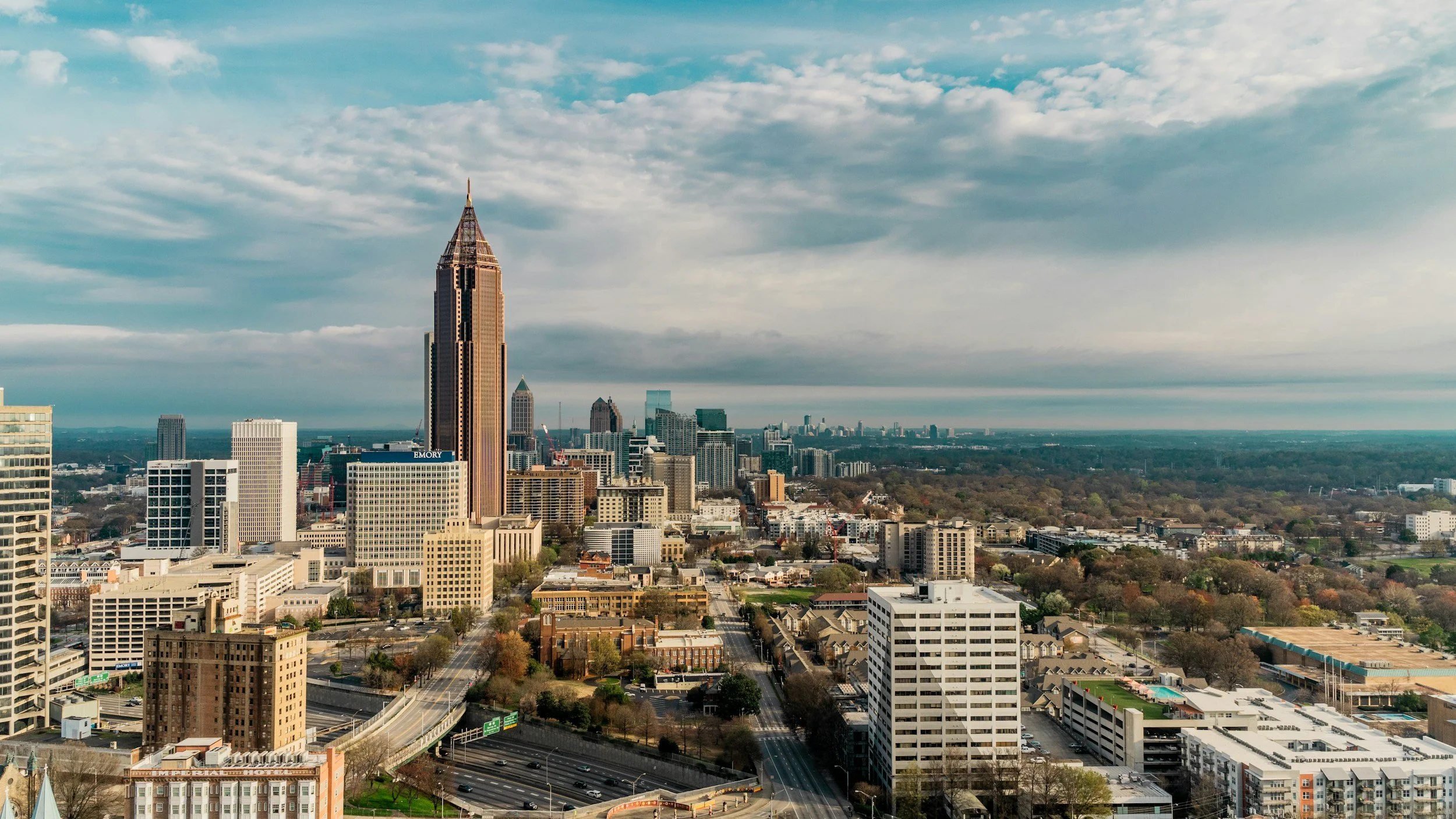
Mae Stewart spent $60,000 renovating her three-bedroom Atlanta home for this moment. Fresh paint, new appliances, upgraded bathrooms — all of it timed for the greatest soccer tournament on earth. She listed her property at $4,500 a week, triple her usual rate, and waited for the bookings to roll in. They haven't.

Stewart's story is playing out in living rooms, vacation properties, and city budget meetings across eleven U.S. host cities as the 2026 FIFA World Cup inches toward its June 11 kickoff. The tournament was supposed to be a once-in-a-generation cash machine. Instead, it's becoming one of the most complicated economic bets in recent American sports history — and the people who placed those bets are starting to sweat.

$327M Projected Airbnb guest spending on lodging alone
80% Surge in searches for stays in host cities
382,000 Expected Airbnb guests during the tournament
–31% Average ROI for the last 3 World Cup hosts

The Airbnb Gold Rush That Stalled

When FIFA announced the U.S. host cities in 2022, something close to a mania swept through the short-term rental world. Property owners rushed to list, renovate, and reprice. Airbnb itself stoked the fire, projecting that the tournament would generate over $327 million in guest lodging spending and attract roughly 382,000 guests to its platform. Individual hosts, the company suggested, could expect an average of $4,000 in earnings during the tournament window — and those in premium markets like New York-New Jersey could clear $5,700 or more.

The numbers were intoxicating. Bobby Roufaeal, who manages more than a dozen short-term rentals in New Jersey, began tripling rates on his units in anticipation of fan inflow. He told Fortune that a luxury rental in the state could theoretically bring in $240,000 between June 11 and July 19. His phone hasn't stopped ringing from homeowners asking how to list their homes. "They're like, listen, I'll figure it out. I'll go stay with my relatives for a few weeks just to capitalize," he said.

"The anticipated Airbnb windfall that hosts were counting on to boost their incomes is yet to materialize, leaving property owners in a state of uncertainty as the tournament draws closer."

— Travel and Tour World, May 2026

But the windfall hasn't arrived yet — and some analysts fear it may never fully materialize. Booking data from analytics platform AirDNA shows Philadelphia sitting at just 42 percent occupancy for group stage dates. Several other cities are tracking even lower. Meanwhile, hotel rates across host cities from Atlanta to San Francisco are reportedly down by as much as a third from early projections, as the World Economic Forum noted this week.

The culprits are numerous: sky-high ticket prices (with premium seats for the July 19 final reportedly listed at $25,000), stubborn inflation that's made international travel genuinely unaffordable for millions of fans, a so-called "Trump slump" dampening foreign visitor enthusiasm, and rising jet fuel prices triggered by the conflict in Iran. Many fans, analysts say, simply can't afford to come.


What Fans Face When They Arrive

For those who do make the trip, the expenses don't stop at airfare. Getting to the stadiums has become its own financial ordeal. In New York, fans attending matches at MetLife Stadium may face $150 for a dedicated shuttle train or $300 for parking. In Boston, a round-trip commuter rail ticket to Gillette Stadium costs $80, with parking reaching $270. These transportation costs — layered on top of already elevated accommodation prices — are functioning as a secondary deterrent, especially for fans traveling in groups.

The tournament's sprawling geography compounds the problem. Unlike the 2022 World Cup in Qatar, where matches were clustered within a compact area, the 2026 event stretches across an entire continent. A fan following their national team through multiple rounds might need to travel from New York to Los Angeles to Dallas — a logistical and financial challenge that no previous World Cup has asked of attendees at this scale.

By the numbers: host city breakdown

Booking pace varies dramatically. Boston leads all U.S. markets with fill rates hitting 63% on opening weekend. New York–New Jersey hosts trail behind but command the highest per-night prices. Philadelphia, meanwhile, sits at just 42% occupancy — and Atlanta, where prices have been reset at triple normal rates, has seen minimal traction.

There are pockets of genuine activity. Suburbs around MetLife Stadium — Montclair, Jersey City, Clifton, Newark — have seen short-term rental occupancy surge as much as 169% above the same period last year, according to AirDNA. Boston remains the strongest performing market. And Airbnb itself launched what it calls its "biggest-ever new host incentive program," offering $750 to first-time entire-home hosts in any of the 16 host cities who welcome guests by July 31 — a sign the platform knows supply is thin in critical markets.


Cities vs. FIFA: A Lopsided Deal

The Agreement That Chicago Refused to Sign

While Airbnb hosts fret over vacancy rates, city officials are grappling with a far more structural concern: they may have locked themselves into deals that guarantee FIFA wealth while leaving local taxpayers holding the bill.

The contracts U.S. cities signed with FIFA are, by most independent assessments, remarkably one-sided. Alan Rothenberg, who sits on the Los Angeles host committee and served as U.S. Soccer president during the celebrated 1994 World Cup, put it bluntly: "Everybody signed an agreement that was very, very one-sided." In 1994, host cities received a share of game-day food and beverage revenues, and U.S. Soccer covered security costs. Cities came out ahead. This time, that arrangement is gone.

"Twelve of the last fourteen World Cups hosted since 1966 resulted in financial losses for host countries."

— Institute on Taxation and Economic Policy

Each host city is now expected to bear between $100 million and $200 million in infrastructure, security, and logistics costs. FIFA, meanwhile, has demanded sales tax exemptions on World Cup ticket sales — costing Kansas City alone an estimated $11 million in lost public revenue across its six scheduled matches. On top of that, FIFA requires cities to provide it with office space equipped with state-of-the-art amenities, free of charge.

Chicago saw the terms and walked away from its host bid. Foxborough, Massachusetts — home to Gillette Stadium — went even further, threatening in February to withhold venue permits unless FIFA or the New England Patriots committed upfront to covering $7.8 million in security costs. It was a rare act of municipal defiance against soccer's all-powerful governing body.

U.S. cities hosting World Cup 2026 matches:

  • New York / New Jersey
  • Los Angeles
  • Dallas
  • San Francisco Bay Area
  • Boston
  • Miami
  • Seattle
  • Philadelphia
  • Kansas City
  • Atlanta
  • Houston

The $47 Billion Promise Nobody Believes

FIFA has not been shy about promoting the tournament's projected economic impact. The organization released a study with the World Trade Organization estimating that the 2026 World Cup will generate $47 billion in economic impact across the United States. FIFA president Gianni Infantino has claimed the U.S. economy could derive as much as $30 billion from the games.

Economists are deeply skeptical. Victor Matheson, a professor at the College of the Holy Cross who has spent his career studying the economics of mega-events like the Super Bowl and the World Cup, described the FIFA-WTO figures as "insanity." The Institute on Taxation and Economic Policy found that twelve of the last fourteen World Cups since 1966 resulted in financial losses for the host country. South Africa attracted only half its anticipated visitors in 2010. Brazil spent $14 billion on the 2014 tournament and sparked domestic protests. Qatar's 2022 edition was, by most economic measures, a fiscal catastrophe.

The core problem, economists explain, is the difference between gross and net impact. FIFA controls the most lucrative revenue streams — broadcasting rights and official sponsorships — and they flow directly back to Zurich, not to Houston or Miami. Cities see a surge in restaurant and hotel spending, but significant "leakage" occurs when that money exits the local economy. Meanwhile, regular visitors who might otherwise have traveled to New York or Los Angeles that summer often stay home, afraid of the crowds and inflated prices — a phenomenon economists call "displacement."

Historical context

Independent economists consistently find that pre-event World Cup projections overstate realized benefits by 30 to 40 percent. The FIFA-WTO study projecting $47 billion for the U.S. economy was prepared by an Italian consulting firm that did not respond to media requests for comment on its methodology.


The Regulatory Wrinkle

How Cities Are Accidentally Blocking Their Own Windfall

There's a painful irony lurking inside all of this. The cities with the most restrictive short-term rental regulations — New York and Vancouver — are precisely the cities where accommodation demand is most acute. New York prohibits rentals under 30 days unless the host is present in the unit and limits stays to two guests. In practice, this makes full-apartment rentals — the format most sought after by traveling fan groups — essentially illegal. Vancouver limits short-term rentals exclusively to a host's primary residence, wiping out any inventory from investment properties.

The result is a fractured market: legal supply that is far too thin to meet demand, soaring prices that push visitors toward less regulated alternatives, and a parallel informal economy operating outside any tax or safety oversight. The cities imposing the tightest restrictions were, in many cases, trying to protect their long-term housing stock from the distortions that short-term rentals create. Those are legitimate concerns. But the effect, during the one month that could have generated enormous local revenue, is to strangle the very market that might have delivered it.

For Airbnb's part, the company has made its position clear. The $750 new-host incentive, the Host Earnings Calculator launched specifically for World Cup cities, and the aggressive outreach to prospective listers all signal that the platform sees a supply gap it is racing to close before June 11.


Reasons for Cautious Optimism

It would be a mistake to write off the tournament entirely as an economic disappointment before a single ball has been kicked. History suggests that bookings for major events often surge in the final weeks before kickoff, as fans lock in plans and last-minute travelers scramble for remaining inventory. Jamie Lane, chief economist at AirDNA, expects that the gap between asking prices and booking prices will close sharply as June approaches. Properties priced at a premium that have sat empty may suddenly find takers.

The tournament's structure also plays in its favor. With 104 matches across 16 host cities — far more than any previous World Cup — there is simply more economic activity to distribute. Los Angeles County alone is projected to see $594 million in impact from its eight assigned matches. The hospitality sector broadly is forecast to see cumulative revenue growth exceeding $3 billion. And the long-term impact on U.S. soccer's commercial value — MLS franchise valuations, participation rates, broadcast rights — may dwarf anything that happens in the immediate tournament window.

But for Mae Stewart in Atlanta, and for the thousands of hosts who bet their renovation budgets on a bonanza, that long-term story offers cold comfort. The June 11 kickoff is six weeks away. The calendar is still uncomfortably empty.

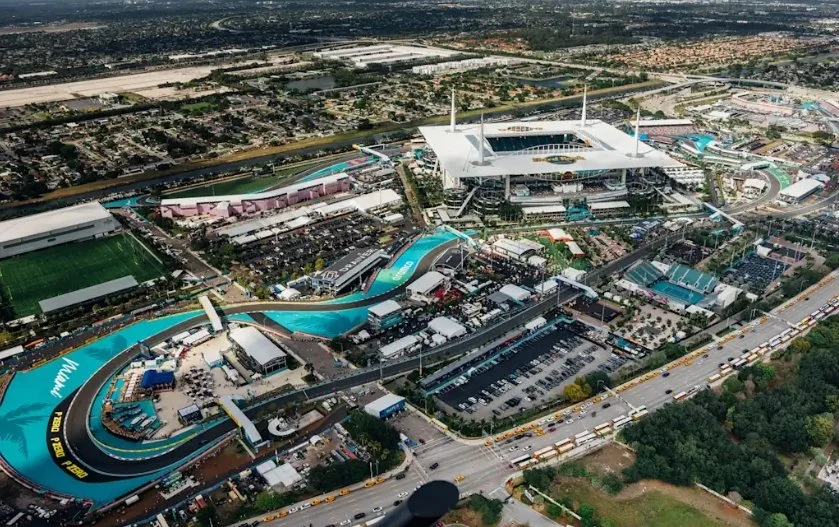
The 2026 FIFA World Cup opens June 11 at SoFi Stadium in Los Angeles and concludes with the final at MetLife Stadium on July 19.

· · ·

She's Not Done. Allyson Felix Is Coming Home.

The most decorated female track-and-field Olympian in history is unretiring — and she’s got the 2028 Los Angeles Games in her sights.

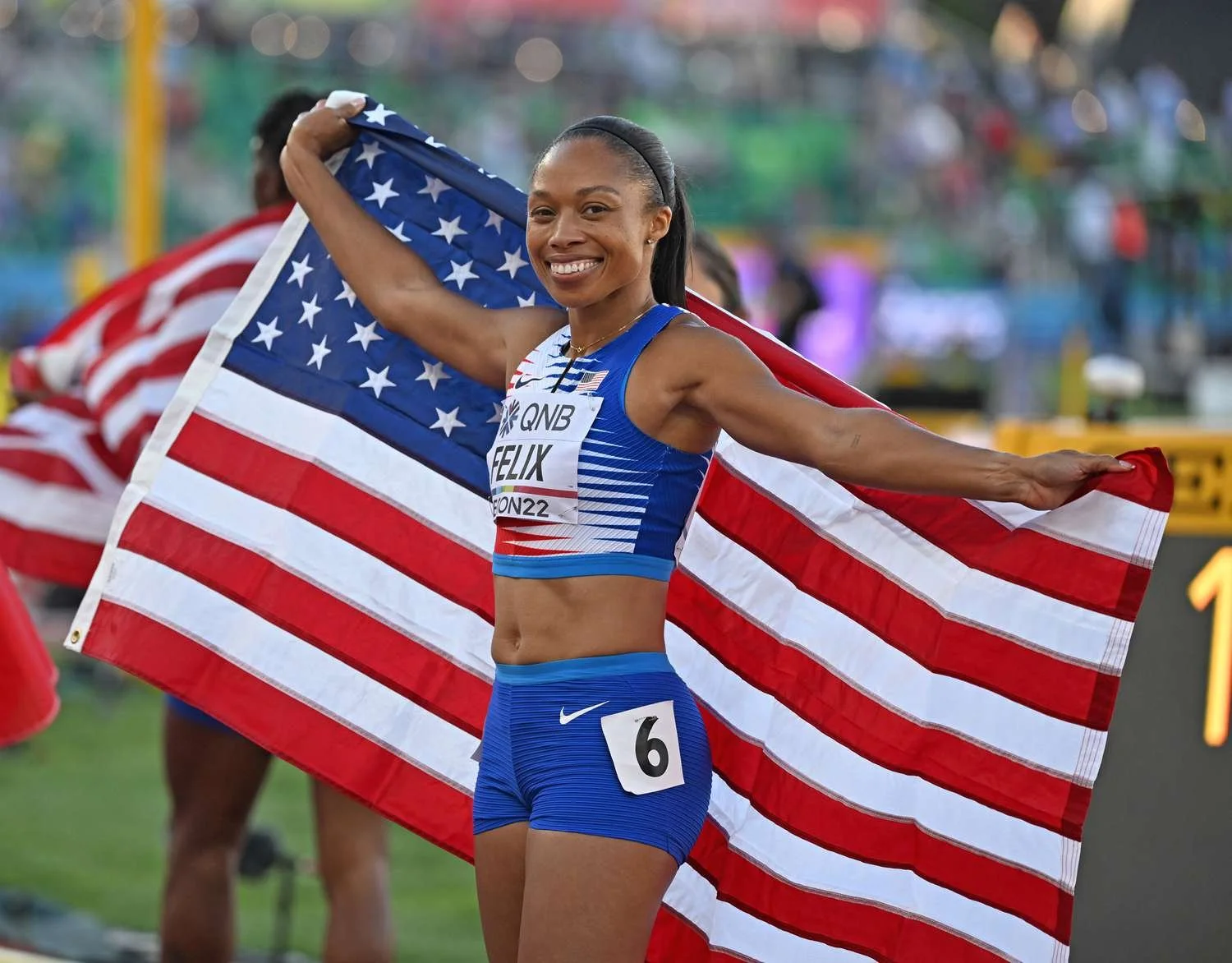
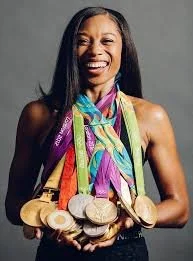
Four years ago, Allyson Felix crossed the finish line at the 2022 World Championships and walked away from the sport as its greatest. Eleven Olympic medals. Seven golds. A legacy that needed no sequel. And yet — on Monday, April 27, 2026 — she announced to the world that retirement is over.

Felix made the announcement in a first-person interview with TIME magazine, confirming what many in the track world had dared to whisper: she wants to run at the 2028 Los Angeles Olympics. In her hometown. In front of a crowd that has never roared for her as a home-country athlete. At age 42.

“So many of us have been told not to do the big, bold thing. And just, why not? Let’s flip it on its head. Let’s go after the thing. Let’s be vulnerable.”

— Allyson Felix, TIME Magazine

The seed of a comeback

The idea didn’t spring from ambition alone — it grew quietly, on a track near her home north of Los Angeles. Felix and her husband, Kenny Ferguson, had been working out together when the thought first took shape: what if? About a year of reflection later, she pulled her brother Wes aside at the Cannes Lions festival last June for a formal, calendar-on-the-books conversation. He knew something big was coming.

She cited athletes like Tom Brady, LeBron James, and Lindsey Vonn as proof that the 40s don’t have to mean the end. For Felix, the mission carries a second dimension beyond competition — she wants to push back against the expectations placed on women once they cross into their fifth decade.

The road back

Felix plans to return to full training in October alongside legendary coach Bobby Kersee, who guided her from 2004 through her final race. She won’t be chasing a full circuit schedule — staying close to her two children, daughter Camryn (7) and son Trey (2), is non-negotiable. Instead, she’ll build deliberately toward the 2028 Olympic Trials.

Oct 2026

Returns to full training with coach Bobby Kersee

2027

Limited competitive appearances on the track circuit

2028

US Olympic Trials — bidding for a spot on Team USA

July 14, 2028

LA28 Opening Ceremony — her ultimate goal to walk in


More than medals

Felix is already deeply woven into the fabric of LA28 — she’s a member of the Organizing Committee Athletes’ Commission and a full IOC member since 2024. She grew up in Los Angeles, graduated from Baptist High School, attended USC, and trained professionally at UCLA. These Games are personal in a way no others could be.

Watching Paris 2024 from the stands stirred something in her. “There were moments where I was like, ‘I miss this feeling,’” she admitted. Now she’s chasing that roar she heard for host-country athletes at every Games she ever competed in — finally, for herself.

If she makes it, Felix would become the first U.S. track and field athlete ever to compete at a sixth Olympics. If she falls short at trials, she’ll still be there in the stands, medal around her neck and children by her side. Either way, she’s already won the framing.

“I would probably be upset at myself if I just didn’t give it a try. However it turns out, I’ll still be there with my kids, hanging out and cheering everybody on.”

— Allyson Felix

When Allyson Felix says a goal needs to feel “scary and exciting” to be worth pursuing, she’s speaking from experience. This one checks both boxes — and the track world is watching.

ABOUT ALLYSON FELIX

Felix, 40, is the most decorated female track-and-field Olympian in history. She won her first Olympic medal at Athens 2004 and her last at Tokyo 2021, where she earned bronze in the 400m. She retired after the 2022 World Championships and has since co-founded Always Alpha, a sports management agency for female athletes, alongside her brother Wes.