
Apple Vision Pro Is Redefining the Courtside Experience Without Leaving Your Home

The future of sports media isn’t coming, it’s already here. With Apple Immersive on Apple Vision Pro, live sports are no longer something you watch. They’re something you step inside.

Apple’s latest leap into immersive media places fans directly at the center of live NBA action through Spectrum Front Row in Apple Immersive, a broadcast experience designed specifically for Vision Pro. This isn’t a repackaged TV feed; it’s a fundamentally new way to experience live sports.
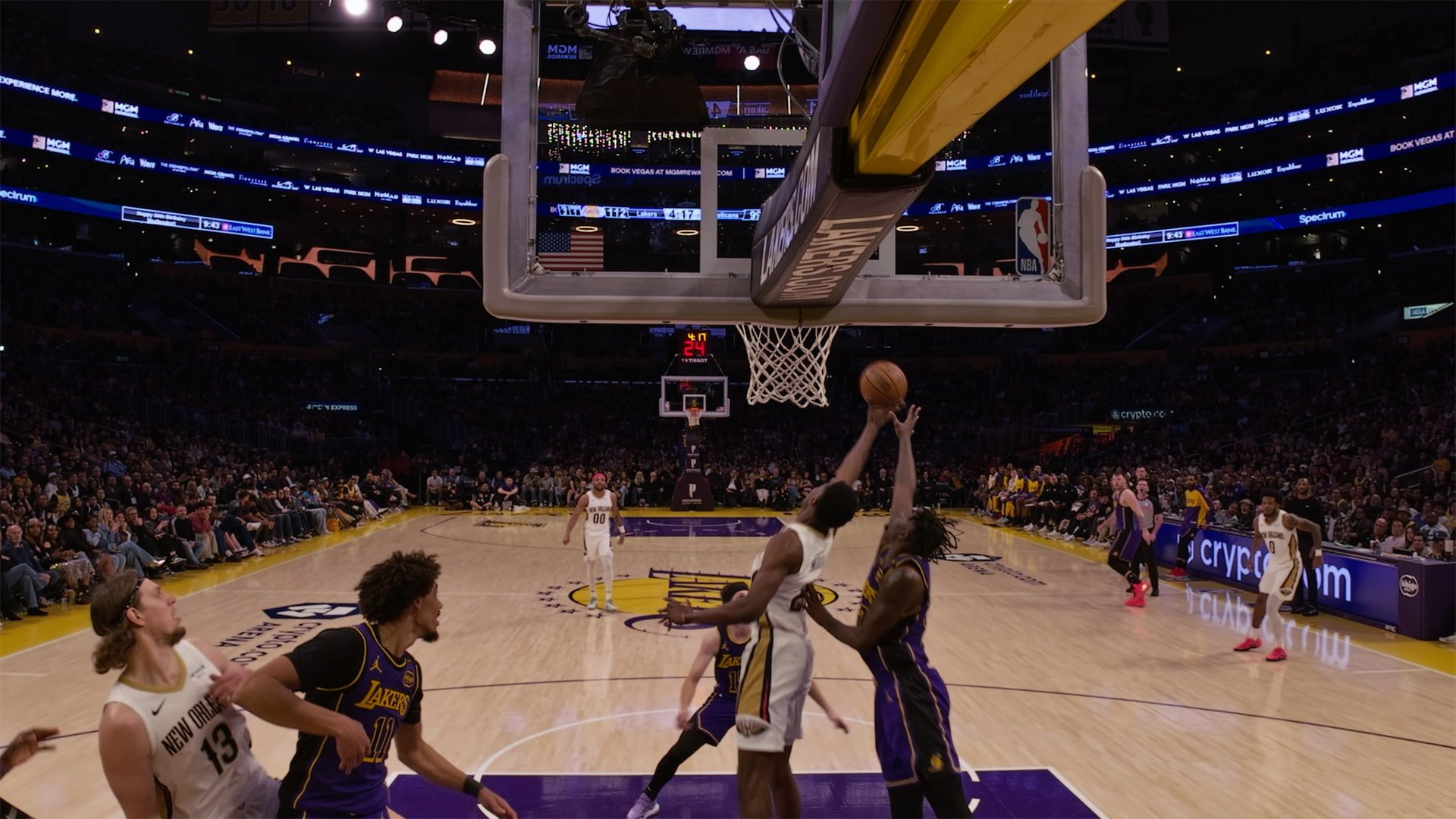
A Courtside Seat, Reimagined in Spatial Computing

Spectrum Front Row delivers a feed of up to 150 Mbps and offers seven distinct viewing angles, allowing fans to move seamlessly through the arena in ways that traditional broadcasts simply can’t replicate. Viewpoints include:

  • The scorer’s table

  • Beneath each basket

  • A high-and-wide arena view

  • The player tunnel

  • The broadcast booth

  • A roaming courtside perspective for interviews and commentary

The result? Fans aren’t just watching the game they’re choosing how to experience it, moment by moment.

The broadcast team adds credibility and storytelling power, featuring Emmy Award–winning play-by-play commentator Mark Rogondino alongside three-time NBA champion and former Lakers forward Danny Green as analyst.

When Graphics Leave the Screen and Enter Your Space

One of the most compelling shifts is how data and storytelling are presented. In-game graphics, player rosters, lower thirds, game and shot clocks, and scores appear in true 3D, floating naturally in the viewer’s field of vision. It’s a subtle but powerful evolution that aligns perfectly with how fans consume information in real time.

This approach doesn’t distract from the action creating a layered experience where context lives alongside the game instead of interrupting it.

Spatial Audio Brings the Arena to Life

Immersion isn’t just visual. Ambisonics microphones capture full Spatial Audio from inside the arena, delivering the sounds fans crave: the squeak of sneakers, the swish of the net, the intensity of player communication, and the roar of the crowd in pivotal moments.

Even during timeouts and halftime, the broadcast remains live inside the venue. Fans experience pregame introductions, team huddles, and in-arena entertainment as if they’re physically present something traditional broadcasts (ESPN) have cut away from in the past.

Why This Matters for the Sports Tech Ecosystem

This isn’t just about Apple or the NBA. It’s a signal to the entire sports and media ecosystem.

  • Leagues gain deeper fan engagement

  • Broadcasters unlock premium formats and monetization opportunities

  • Brands get closer to fans in immersive, contextual environments

  • Fans gain agency over how they experience live sports

Immersive broadcasts like this point toward a future where fandom becomes personalized, spatial, and interactive without sacrificing the emotion and authenticity of live competition.
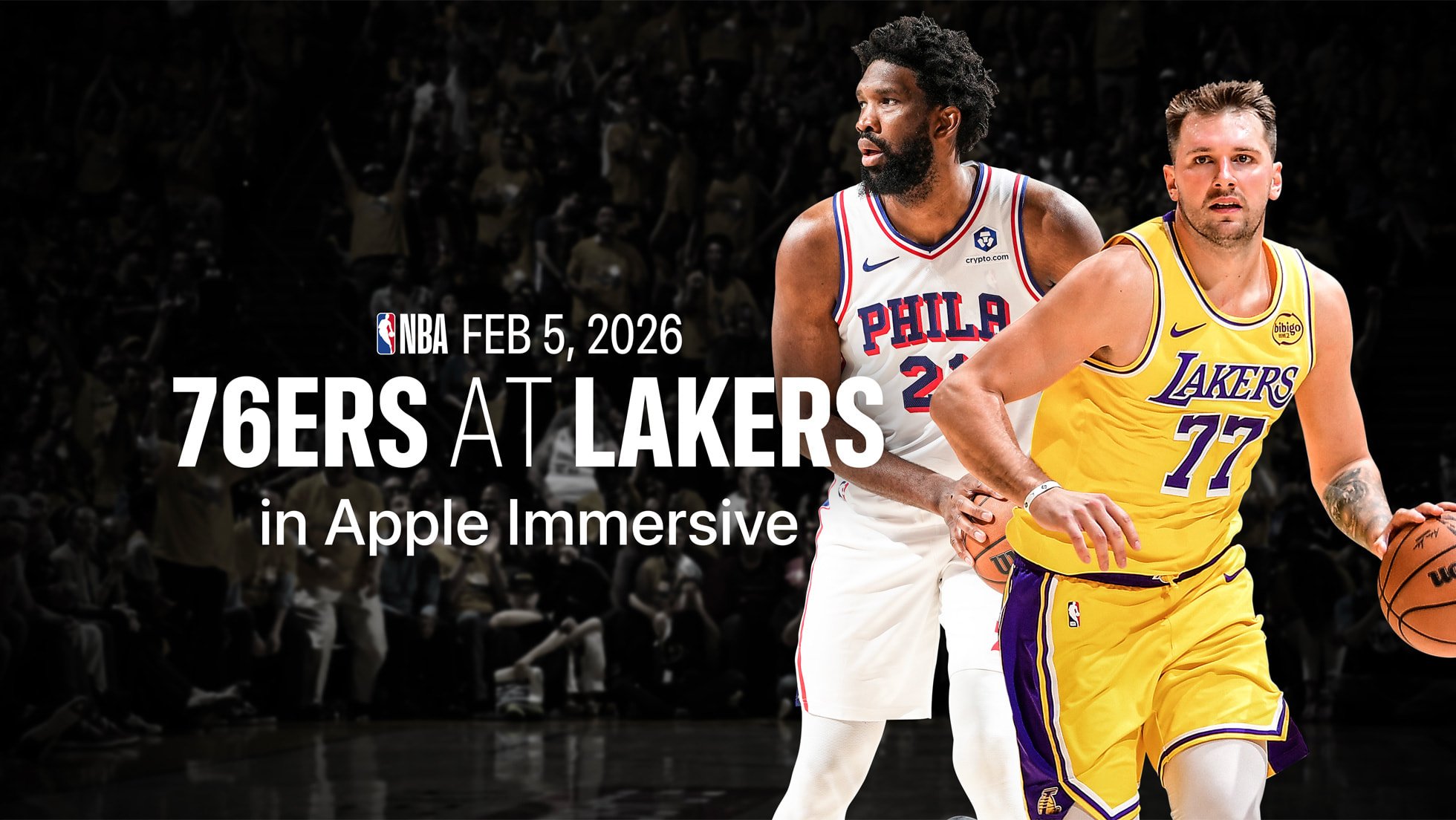
What’s Next

The next Spectrum Front Row in Apple Immersive broadcasts are already on the calendar:

  • February 5: Lakers vs. 76ers

  • February 20: Lakers vs. Clippers

If this is a preview of what immersive sports media can become, the line between physical attendance and digital presence is officially starting to blur.

At Sports Tech Atlanta, we see this as a defining moment where spatial computing, live sports, and storytelling converge to reshape how fans connect with the game.

info@sportstechatlanta.com

Centennial Yards: Atlanta’s $5B Bet on the Future and Why Real Estate as an Estate Is the Power Play Going Into 2026

Atlanta has never waited for permission to build the future. It builds it—then dares the rest of the market to catch up.

The $5B Centennial Yards development is the clearest signal of where capital, sports, and culture are headed.

At Sports Tech Atlanta, we view Centennial Yards as more than a skyline upgrade. It’s a case study in why real estate is a sports tech | investing strategy heading into 2026 and beyond.


Enjoy up to 40% off AMC movie tickets


Centennial Yards Is Infrastructure for the Next Era of Sports & Entertainment

Located in the heart of downtown Atlanta, Centennial Yards is being designed as a live-work-play ecosystem, not a collection of buildings. It sits at the intersection of:

  • Major league sports venues

  • Transit hubs

  • Entertainment districts

  • Corporate headquarters

  • Hospitality and experiential retail

This is the same blueprint we see globally in cities winning the next decade: ownership of districts, not just destinations.

Sports franchises already understand this. Teams are no longer just selling tickets, they’re building neighborhoods. Control the land, control the data, control the fan experience, control the upside.

Centennial Yards brings that philosophy to the city level.

Why This Matters for Sports Tech, Founders, and Operators

Sports technology doesn’t scale in isolation. It scales in physical environments where fans, athletes, creators, and operators collide.

Districts like Centennial Yards become:

  • Testing grounds for fan engagement tech

  • Platforms for immersive media and live content

  • Homes for sports-adjacent startups and studios

  • Anchors for hospitality, NIL, and athlete-led ventures

In short, real estate becomes the operating system that sports tech runs on.

And the people who win are the ones who own or have exposure to the platform itself.

Where Sports Tech Atlanta Comes In

We work at the intersection of sports, technology, real estate, and capital, helping sports tech companies move from great ideas to real-world positioning inside transformational developments. As districts like Centennial Yards come online, the opportunity isn’t just visibility, it’s proximity.

Sports Tech Atlanta helps companies:

  • Position their technology within live sports and entertainment ecosystems

  • Build relationships with developers, teams, brands, and operators

  • Translate innovation into use cases that cities, venues, and districts actually adopt

  • Think beyond pilots and into long-term infrastructure partnerships

  • Align growth strategy with where culture and capital are being built

In an era where ownership, location, and ecosystem matter more than ever, we don’t just help companies scale. We help them land in the right rooms.

As Atlanta invests $5B into the future of downtown, Sports Tech Atlanta ensures that the next generation of sports tech companies isn’t watching from the sidelines but are embedded in the blueprint from the start.

Find out more at www.sportstechatlanta.com

info@sportstechatlanta.com

Mark Cuban Just Gave This AI Sports Firm a Major Boost

This week, Orreco, the Irish-born, Boston-based AI performance intelligence company, announced a multi-million dollar funding round alongside a strategic acquisition, marking one of the more important momentum moments in applied sports science and AI this year. Cuban’s involvement adds both capital and credibility at a time when teams, leagues, and athletes are demanding more than raw data. They want actionable intelligence.

At Sports Tech Atlanta, we see this as more than a win for one company. It’s a clear indicator of where the sports tech market is headed next.

From Data to Decisions: Why Orreco Matters

For years, elite sports organizations have been flooded with data : biometrics, GPS, sleep, workload, blood markers. The problem hasn’t been collection. It’s been interpretation.

Orreco’s edge lies in translating complex physiological and performance data into clear, AI-driven recommendations that coaches, medical staffs, and performance teams can actually use in real time. Their platform helps answer the questions that matter most:

  • Is this athlete ready to train or compete today?

  • What’s the injury risk if workload increases?

  • How do we personalize recovery and nutrition at scale?

This shift from dashboards to decisions is exactly where AI creates real value in sport.

The Cuban Effect: Why This Endorsement Is Different

Mark Cuban has backed plenty of sports-adjacent ventures, but his investments tend to converge around one theme: practical technology with real operators as customers.

Cuban’s support of Orreco reinforces three things:

  1. AI in sports is moving beyond experimentation

  2. Performance and health intelligence is investable at scale

  3. Teams are ready to pay for outcomes, not just insights

When owners and operators see one of the most tech-forward sports investors doubling down on applied AI, it accelerates adoption across leagues.

The Acquisition Angle: Building a Full-Stack Performance Platform

Orreco’s acquisition announced alongside the raise is just as telling as the capital itself.

Rather than remaining a point solution, Orreco is assembling a full-stack performance ecosystem, combining:

  • Deep sports science

  • Proprietary biological data

  • Machine learning models

  • Practitioner-facing workflows

This mirrors what we’re seeing across elite sports tech: consolidation around platforms that can serve entire organizations, not just departments.

For founders, it’s a reminder that defensibility increasingly comes from integration and execution, not novelty alone.

Why a Netflix–Warner Bros. Merger Would Be Bad for TV & Movies and Disruptive for the Entire Sports Industry

Why a Netflix–Warner Bros. Merger Would Be Bad for TV & Movies and Disruptive for the Entire Sports Industry

The entertainment industry has been bracing for consolidation, but few deals would reshape the landscape as dramatically as Netflix acquiring Warner Bros. Discovery. While the idea might excite shareholders and Wall Street analysts, the downstream effects on creators, consumers, athletes, teams, and sports-tech operators would be massive—and not in a good way.

Why SailGP Is the Next Smart Play for Celebrities and Pro Athletes

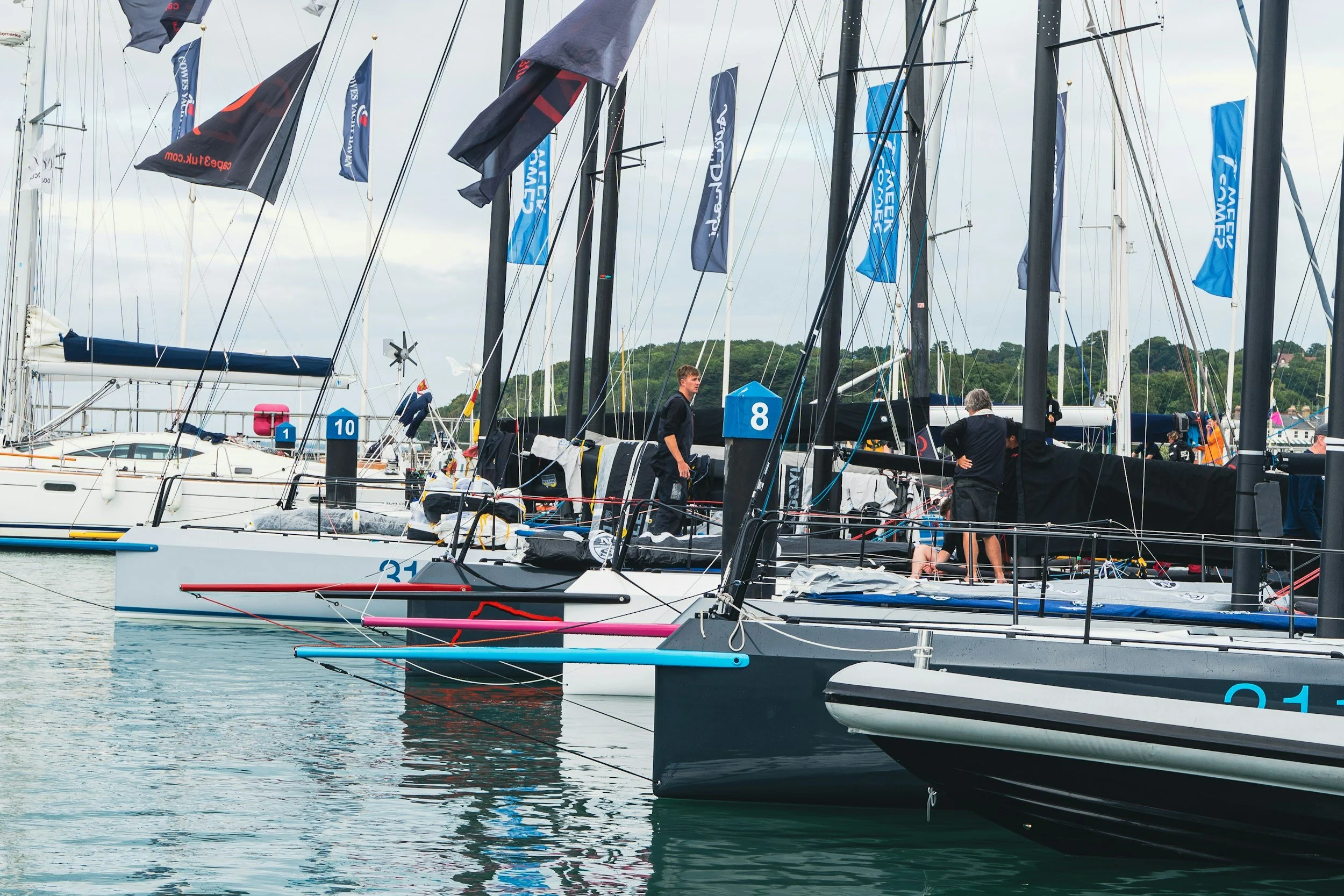
SailGP is not your grandmother’s yacht club. Launched in 2019, the league features identical high-performance F50 catamarans that “fly” above the water on hydrofoils, reaching speeds of over 100 km/h.

By combining world-class sailors, cutting-edge boat tech, and dramatic, short-course races in iconic global venues from New York to Sydney to Rio. SailGP reframes sailing as a modern, high-octane sport, more akin to an aquatic mix of Formula 1 and America’s Cup than the leisure yachting stereotype many associate with sailing.

A Sports Business Model Built for Growth

  • Identical boats & global series = level playing field, high entertainment value. By using identical F50 boats and standardized rules, SailGP ensures that races are decided by skill, strategy, and crew; not by who spent more on equipment. That helps make outcomes more unpredictable and exciting, which tends to draw and retain fans.

  • Global reach + attractive venues. Events are held in major coastal cities around the world putting SailGP on the map as a global sporting brand, not a niche sailing pastime.

  • Modern media approach. The league is designed for spectator engagement with broadcast-friendly formats, onboard cameras, and a turbo-charged presentation — making it accessible (and visually thrilling) even to those who know nothing about sailing.

  • Growing commercial appeal. As emerging sports increasingly draw investor attention particularly those with technological appeal and lower legacy baggage SailGP stands out. Investors see opportunity in being early adopters of a rising global league.

Celebrity & Athlete Involvement Is Already Proving the Thesis

Far from being theoretical, SailGP’s attraction to celebrities and pro athletes is already playing out:

  • High-profile names like Anne Hathaway jumped into a female-led consortium that acquired a SailGP team, reportedly for ~$45 million. Fast Company+2Conzit Labs+2

  • Soccer superstar Kylian Mbappé, former F1 champion Sebastian Vettel, boxing champ Deontay Wilder, and NFL’s DeAndre Hopkins have all invested in various SailGP teams.

  • Most recently, Hollywood heavyweights Ryan Reynolds and Hugh Jackman purchased the Australian SailGP team — rebranding it with flair and immediately bringing large mainstream visibility.

This pattern mirrors a broader trend across sports: entertainers and athletes investing in teams to diversify their brand and portfolio.

Why Celebrities & Athletes Look At this AS Better Than Traditional Team Ownership

Owning a major franchise in leagues like the NFL, NBA, or Premier League has long been elite territory; but it often comes with massive entry costs, complex league politics, and heavy operating overhead. In contrast:

  • Lower barrier to entry. SailGP is still growing, meaning relative valuations for teams haven’t (yet) skyrocketed. That gives new investors a better entry point before the league becomes ubiquitous.

  • Flexibility & branding upside. For a celebrity, owning a SailGP team offers a fresh platform: water-side glamour, global exposure, lifestyle association, and with strong media and sponsorship potential — chances to monetize beyond the sport itself.

  • Aligns with modern athlete mindset. Increasingly, pro athletes and entertainers view investments as components of their long-term brand/wealth strategies. SailGP offers the cross-section of performance, prestige, tech, and entertainment that fits this mindset.

The Long-Term Upside

  1. Media and content growth potential. The league is already doubling down on storytelling and content: in 2025 it launched a docuseries to build fan engagement and draw non-traditional sailing audiences. That means growing fanbase and media value over time.

  2. Sponsorship & commercialization opportunities. With a sleek, fast-paced sport that appeals to global audiences and luxury brands, SailGP has strong potential for high-end sponsors, hospitality, and lifestyle partners which translates into real returns for investors.

  3. First-mover advantage. As more celebrities and athletes buy in, early investors may benefit from brand-building dividends and rising valuations especially if SailGP achieves mainstream status.

For Athlete & Celebrity Investors, the Playbook Is Clear

If you’re a high-profile athlete or entertainer looking to invest in sports — but want more than the typical:

  • Go for SailGP now, while it’s still nascent.

  • Use your brand, reach, and network to amplify team visibility and culture.

  • Leverage SailGP’s storytelling and media potential to create a lifestyle brand around the team, beyond just sport.

  • Think long-term: as SailGP grows, you’re not betting just on wins — you’re investing in an emergent global entertainment sport.

If interested in learning more reach out to info@sportstechatlanta.com