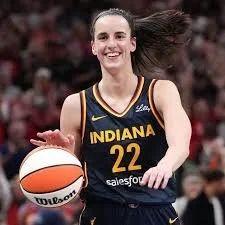
The "Caitlin Clark Effect" is real, but it’s already priced in.
If your brand is just now waking up to the massive ROI potential of women's basketball or soccer, you are late to the party. The entry costs for NWSL and WNBA sponsorships are rising by double digits annually, driven by explosive viewership and a cultural shift that has finally pushed these sports into the mainstream.
While the growth in those major leagues is undeniable, the shrewdest marketers aren't just looking at the packed stadiums; they are looking for the undervalued assets with the highest demographic upside. They are looking at the sports where passion runs deep, disposable income runs high, and the "sponsorship saturation" meter is still low.
Right now, the most significant blind spot in sports marketing lies in emerging and affluent women’s niche sports—specifically professional cycling and golf.
Here is the Sports Tech Atlanta analysis of why brands are leaving massive value on the table in these sectors, and why the window to buy low is closing fast.
The Macro View: The Undervalued Asset Class
The data on the women's sports economy is irrefutable. Analysis shows that between 2022 and 2024, revenue from women’s sports grew 4.5 times faster than men’s sports. Yet, broadcast rights and sponsorship packages often remain priced significantly lower per viewer hour than their male counterparts.
This disconnect creates an arbitrage opportunity for data-savvy brands. 86% of brands sponsoring women’s sports report that their campaigns met or exceeded ROI expectations. Why? Because the audience is distinct. They are younger, value-driven, digital-natives, and exhibit a brand loyalty that traditional sports struggle to replicate. Avid women's sports fans are 27% more likely to purchase from a brand that endorses a popular female athlete.
But while the majors fight for inventory in basketball, the real efficiency gains are in the sports where affluence meets high-engagement tech.

The Peloton Power: Women’s Cycling
Professional women's cycling is experiencing a renaissance, fueled by professionalization and digital integration, yet it remains criminally under-sponsored by non-endemic brands.
The Growth Trajectory: The sport has seen an 85% growth in UCI registered teams over the last decade. The introduction of the Tour de France Femmes avec Zwift was a watershed moment, with the race now broadcast in 190 countries. In 2024, the event saw a staggering 238% increase in video views across social platforms compared to 2022, hitting over 74 million views.
The Demographic Goldmine: Cyclists are notoriously gear-obsessed and affluent. They aren't just watching; they are participating, spending thousands on bikes, tech, nutrition, and travel. Sponsoring a women's WorldTour team isn't just about logo placement; it's direct access to a high-lifetime-value (LTV) consumer base that values performance and innovation.
The Missed Opportunity: Currently, the sport relies heavily on endemic sponsors (bike manufacturers, gear brands). Mainstream financial, tech, and luxury brands are missing the chance to own the narrative of grit, endurance, and technological progress that defines women's cycling. Brands like Lidl (grocery) are stepping in, recognizing they can dominate share-of-voice in a way they never could in men's football.

The C-Suite Connection: Women’s Golf
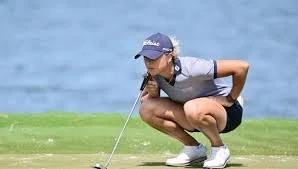
If cycling is about high-output performance, women's golf is about high-stakes access. The old trope of business happening on the golf course is true, but brands have historically ignored the other half of the fairway.
The Affluence Engine: Women’s golf isn't just a sport; it’s a premier networking ecosystem. Research indicates that an estimated 90% of Fortune 500 female CEOs play golf, viewing it as a critical tool for business relationships. Sponsoring the LPGA isn't just reaching fans; it's reaching decision-makers.
Momentum and Money: The LPGA is surging. Prize purses have grown dramatically—up roughly 70% since 2021—with the CME Group Tour Championship purse hitting $11 million in 2024. This professionalization is attracting deeper talent and more eyeballs.
The Activation Gap: While brands like Rolex have seen immense success (LPGA fans are 41% more likely to prefer Rolex), too many luxury, B2B tech, and wealth management firms are absent. They are missing a demographic that is both highly engaged with the sport and possesses significant discretionary income. The ROI here isn't just in product sales; it's in client acquisition and B2B brand equity.
The Tech Activation Mandate
The mistake many brands make is applying a 1990s sponsorship model to a 2025 digital ecosystem. In emerging sports like cycling and golf, a passive sideline banner is worthless.
These audiences are digitally native. The Tour de France Femmes’ massive social growth proves that the battleground is on TikTok, Instagram, and platforms like Zwift.
Winning in this space requires a "Sports Tech" mindset:
Data-Driven Creative: Utilizing real-time performance data to trigger contextual ads during broadcasts (e.g., an ad appearing when a cyclist hits a certain wattage or a golfer sinks a long putt).
Direct-to-Athlete Partnerships: Women athletes often have higher engagement rates than male athletes and are viewed as more authentic trustworthy. Micro-influencer strategies across a peloton or tour can yield better results than one mega-star deal.
Community Integration: Brands need to integrate into the participatory side of these sports—sponsoring Strava challenges for cyclists or virtual tournaments for golfers.
The Verdict
The market for women's sports sponsorship is correcting, but it hasn't finished. The "undervalued" tag on women's basketball and soccer is fading fast.
The smart money is moving to where the demographics are premium, the entry costs are manageable, and the growth curve is just beginning to steepen. In 2025, that means the women’s peloton and the LPGA tour.
CMOs need to ask themselves: Do you want to pay a premium to be one of twenty logos in a crowded arena, or do you want to own the future of an affluent, growing sporting demographic? The blind spot is obvious. The question is who will move first to cover it.