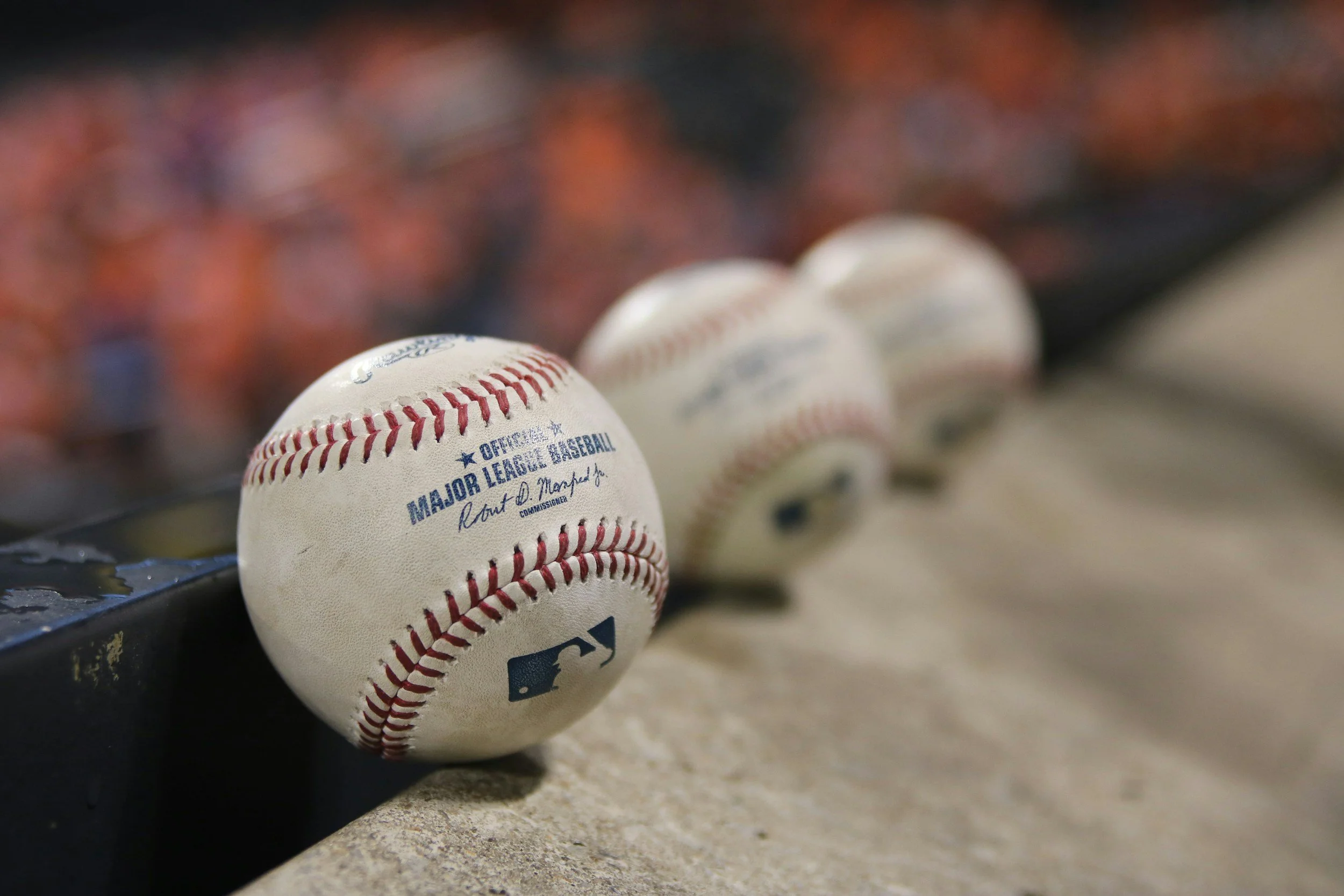
From frictionless stadium entry to AI player avatars you can actually chat with — Major League Baseball isn't waiting for the future. It's building it now.
At Sports Tech Atlanta, we talk a lot about the bridge between innovation and implementation. The moment when a technology stops being a pilot and starts becoming the standard. In Major League Baseball this season, that bridge has officially been crossed. Twice.
Two seismic shifts are reshaping the game-day experience in 2026: an accelerating national rollout of biometric stadium entry, and a landmark AI deal that puts a virtual version of every MLB player directly in fans’ hands. Together, they signal that baseball isn’t just America’s pastime — it’s becoming one of the most aggressive adopters of fan-facing technology in professional sports.
8+MLB ballparks now running Go-Ahead Entry
2sAverage gate entry time with facial auth
75%Fan enrollment rate at early adopter stadiums
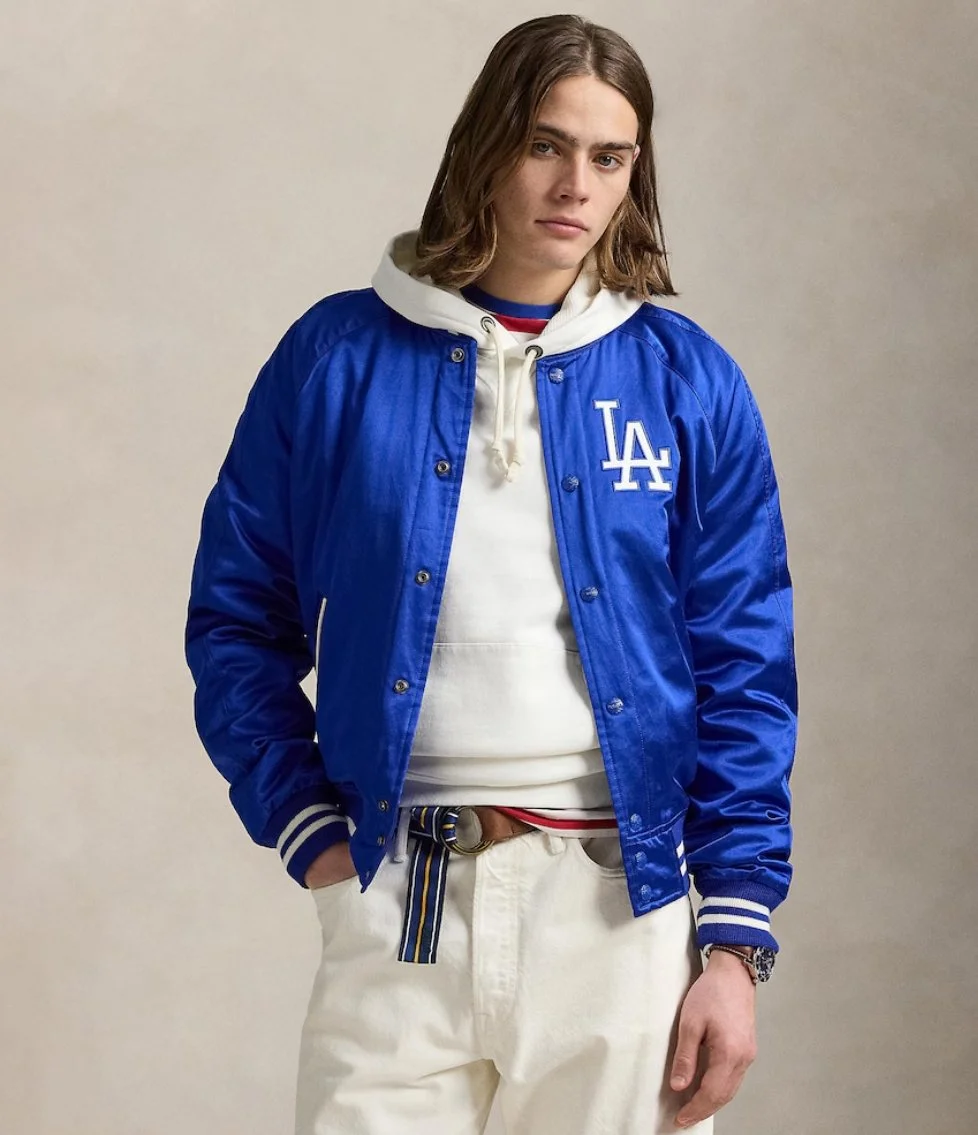
Biometrics at the gate
Go-Ahead Entry: The monolith is coming to a ballpark near you
If you haven’t seen one yet, you will soon. MLB’s “Go-Ahead Entry” pedestals — internally dubbed “monoliths” — are large, purpose-built kiosks powered by NEC facial authentication technology. Fans who opt in through the MLB Ballpark app upload a selfie, link it to their Ticketmaster account, and from that point forward, their face is their ticket. No phone out. No barcode scan. No fumbling.
“You don’t even break stride. It recognizes you from about 10 feet out — and by the time you take a few more steps, you’re validated.” — Tampa Bay Rays CBO Bill Walsh
The program launched with the Philadelphia Phillies as a beta in 2023 and has since expanded to San Francisco, Houston, Washington D.C., Cincinnati, Kansas City, Tampa Bay, and more. What started as a COVID-era experiment in crowd management has evolved into a fan experience differentiator. The system works even with hats and sunglasses on, can validate an entire group on one account in a single look, and has clocked average entry times of just two seconds per ticket — fast enough, the Cleveland Browns (an early Wicket-powered adopter) say, to clear their gates ten minutes faster than traditional scanning.
By the end of last season, close to 75% of fans at the most mature deployments had enrolled — more than double the projections of stadium operators. That kind of organic adoption doesn’t happen unless the product actually works. And here’s the thing from an investment and go-to-market lens: once fans experience frictionless entry, friction becomes unacceptable everywhere else. This is the flywheel moment.
The technology is also integrating with AI-based security screening systems already in place, allowing fans to walk past metal detector equivalents without stopping. The next frontier is concessions — think age verification for alcohol purchases at the point of sale, handled without a single ID check. The Los Angeles Clippers are already doing this at Intuit Dome with CLEAR’s identity platform. MLB is watching closely.
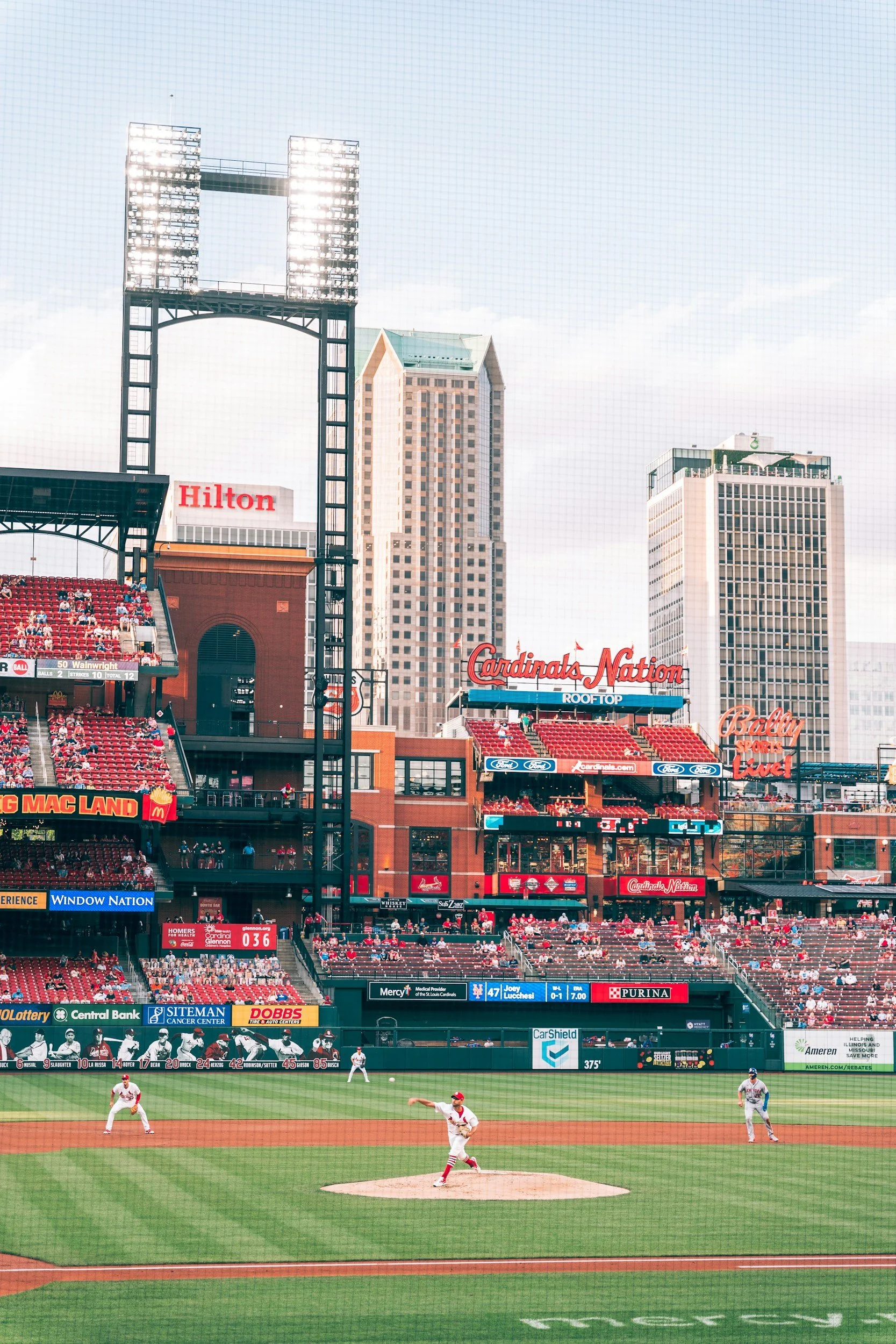
AI fan engagement
Chatting with Shohei: the Genies deal changes the player-fan relationship
In February, MLB Players Inc. — the business arm of the MLBPA — announced a landmark agreement with California-based AI firm Genies to create AI avatars of every single player on a major league roster. Not a handful of marquee names. Every player. The avatars will carry each player’s voice, personality, and interests, and will be able to hold genuine back-and-forth conversations with fans — remembering details across sessions the more a user interacts with them.
Genies is building a monetization layer on top: paid chat interactions, in-app experiences, and digital goods. Think of it as a trading card that talks back — and one that gets to know you over time.
This is one of the first deals that meaningfully bridges AI companionship technology with professional sports IP at league scale — and it’s happening in baseball first.
The implications for fan engagement, merchandise, and media rights are enormous. For sports tech founders and investors, this is a category signal. Personalized, AI-driven fan relationships are no longer theoretical. They’re being built right now, and the moats will form fast around whoever owns the infrastructure, the data, and the rights deals to do it.
There’s nuance worth tracking, of course. Not every player will be thrilled with a blanket agreement representing their likeness in ways they can’t fully control. Privacy advocates will continue to raise important questions about where biometric data goes and how it’s stored. Both are conversations the industry — and legislators — are actively having. This space rewards founders who build trust into the architecture from day one, not as an afterthought.
The bigger picture
What MLB’s tech push means for the sports tech ecosystem
Baseball has historically been a proving ground. The Moneyball revolution in analytics started on the diamond and transformed every sport. The same thing is happening now with fan-facing biometrics and AI. What MLB validates at scale, every other league will accelerate. Atlanta, with Truist Park and State Farm Arena already investing in premium digital experiences — and Centennial Yards on the horizon — is perfectly positioned to be a node in this network, not just a spectator.
If you’re building in the stadium tech, identity, AI engagement, or fan experience space, the 2026 MLB season is your case study. The adoption curves are real. The investment appetite is there. And the window to build the infrastructure that powers the next generation of the ballpark experience is open right now.
At Sports Tech Atlanta, we don’t just watch these trends. We help founders get in front of the operators, investors, and league partners who are writing the checks. This is the moment. Step up to the plate.
Reach out to info@sportstechatlanta.com to learn more.