TeamSportz Continues It's Momentum

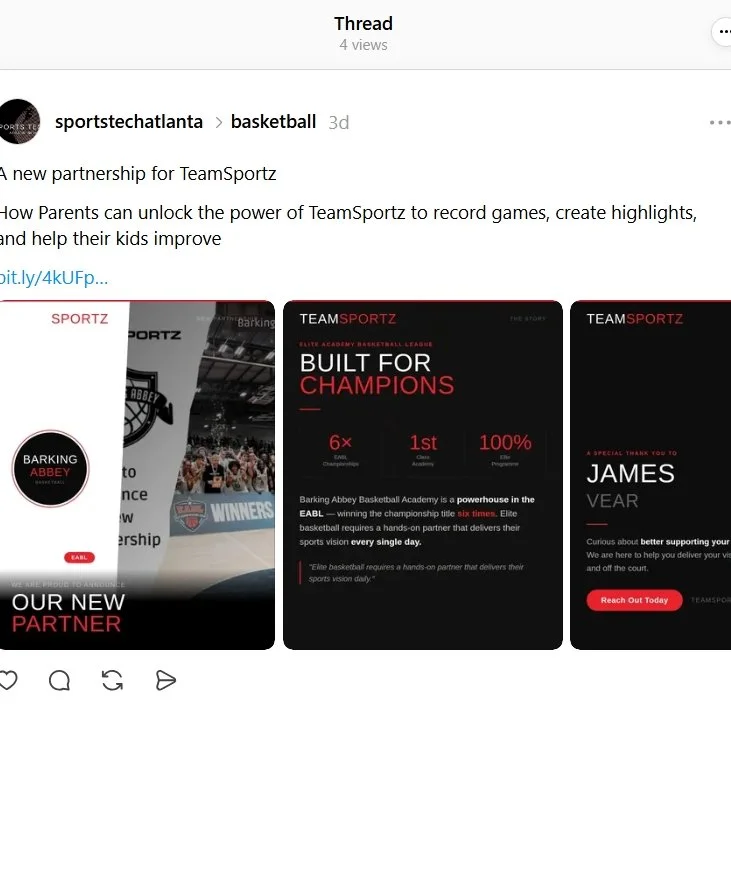
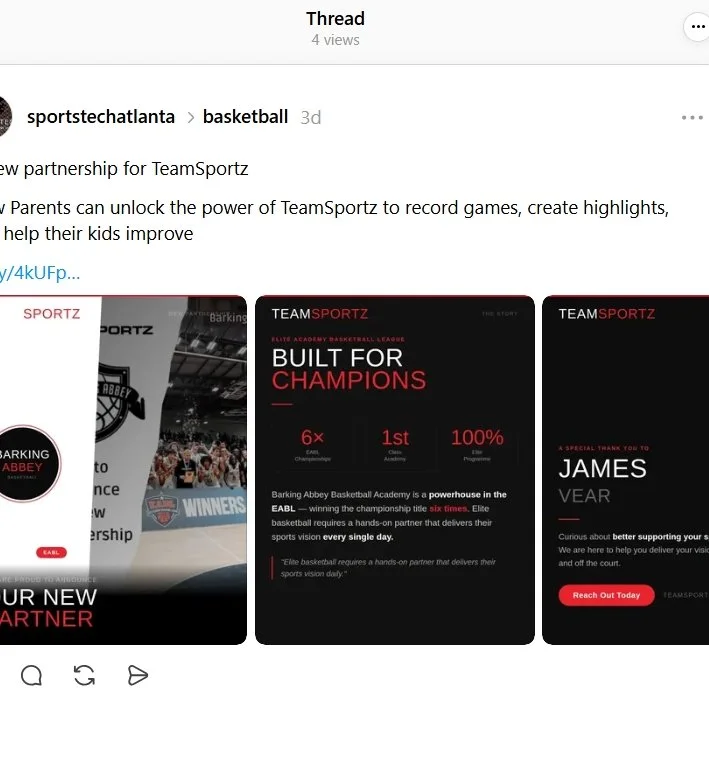
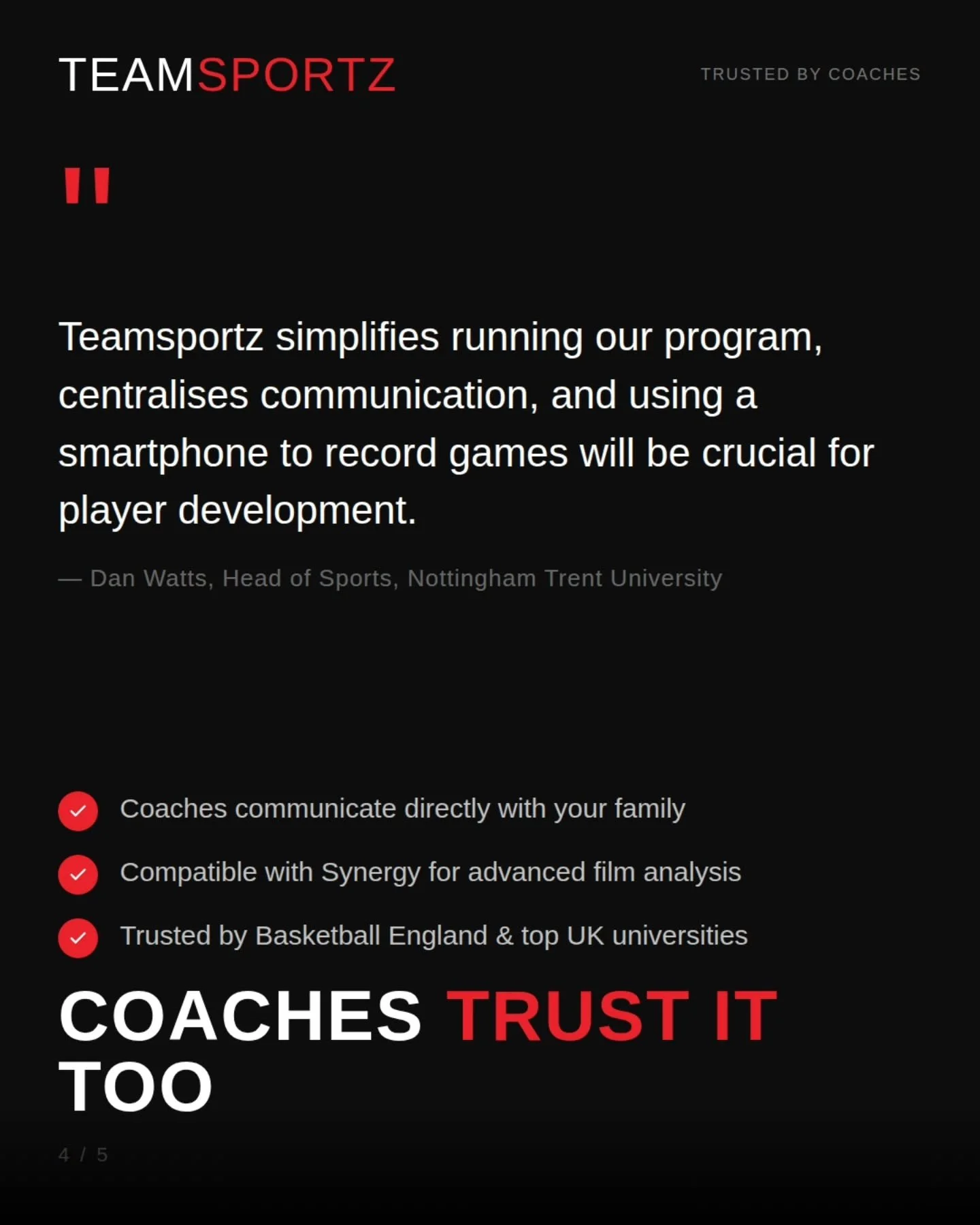
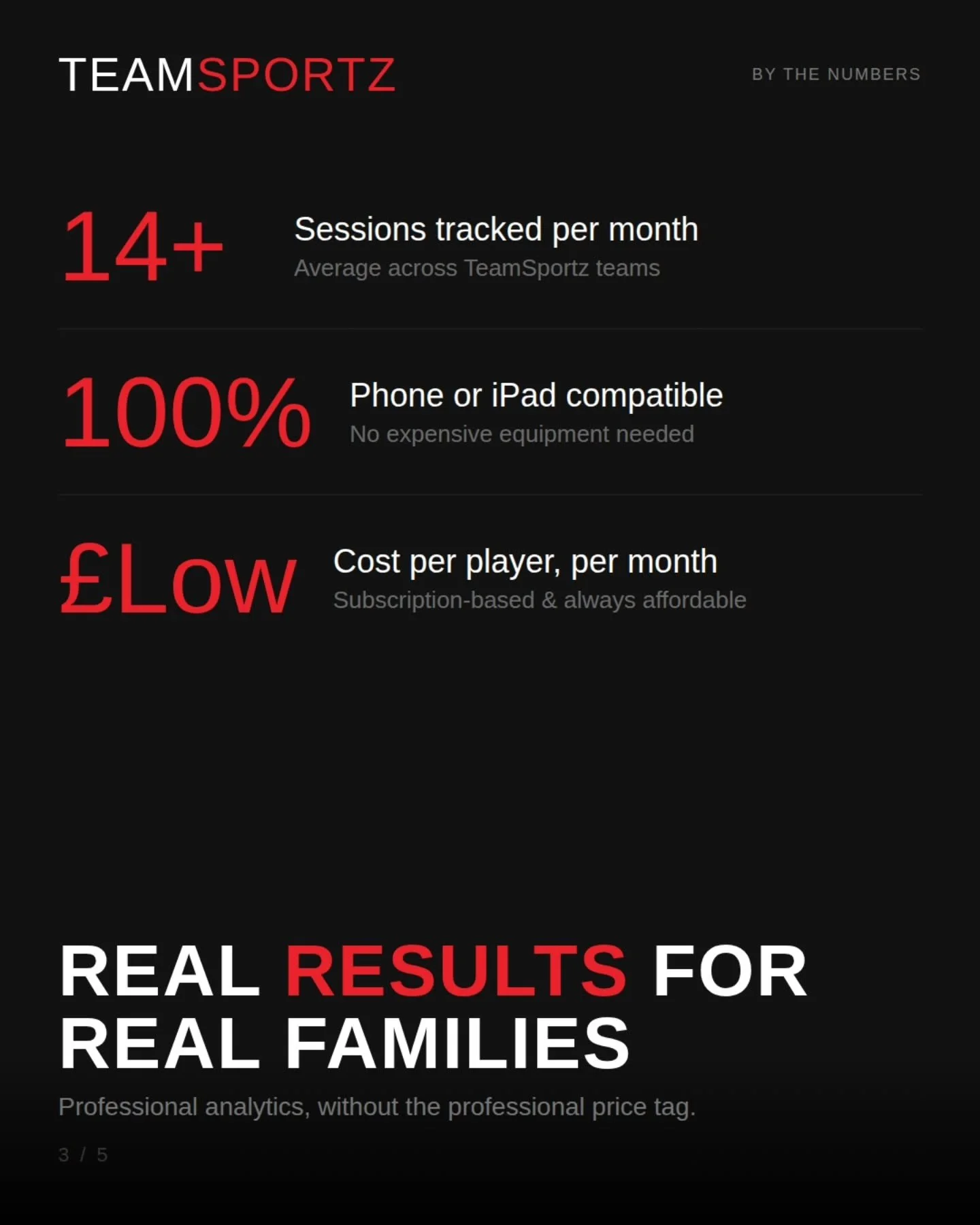
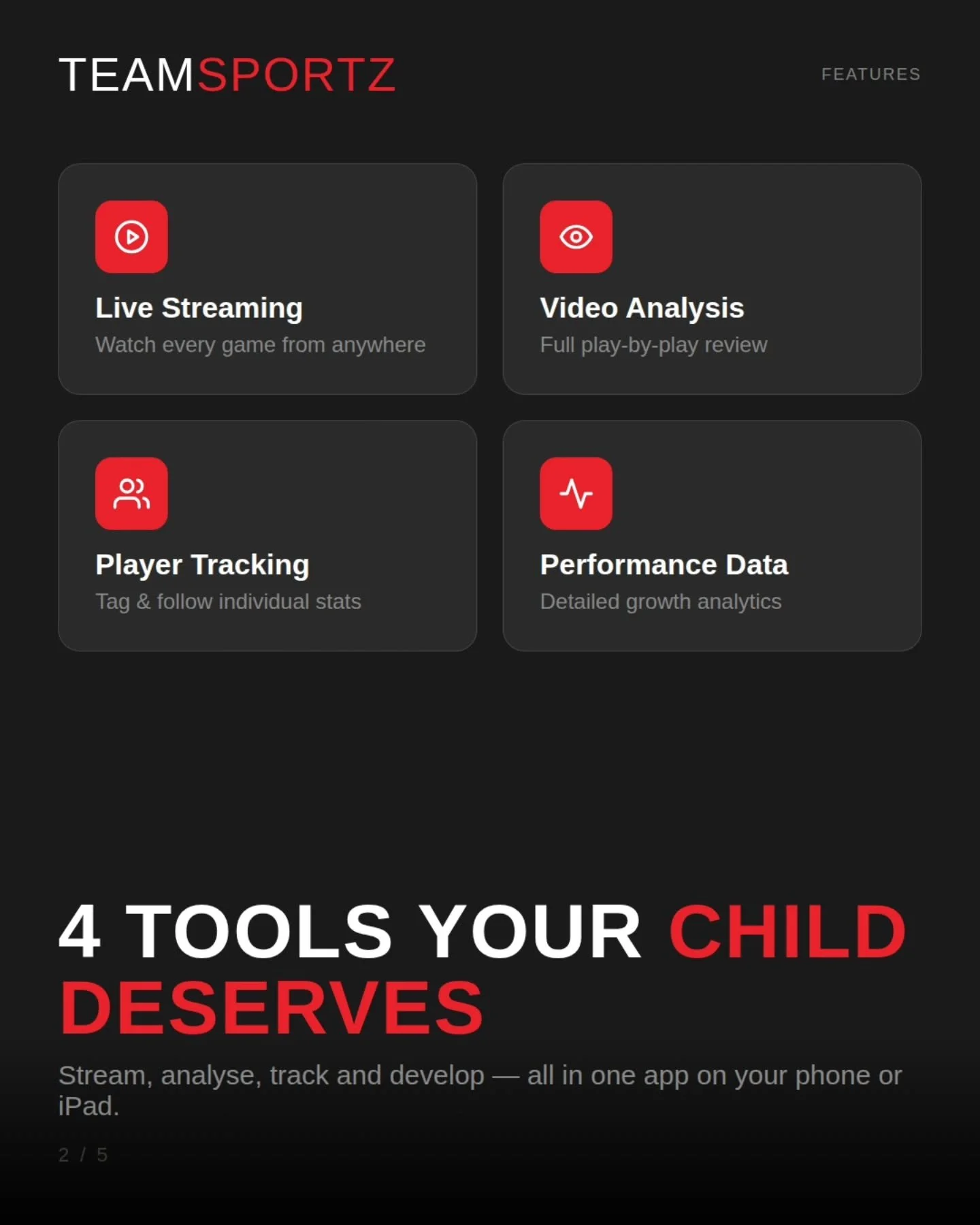
TeamSportz has signed Barking Abbey Basketbal Academy, a powerhouse in the EABL. Click through the below images and if interested in learning more about TeamSportz, reach out to info@sportstechatlanta.com or try it for free


How K. Don Cornwell Built Dynasty Equity and Earned a Seat at the NFL Table

Thirty years advising the biggest deals in sports. One deliberate pivot. Here's how Cornwell turned unmatched institutional knowledge into a firm that belongs in the same sentence as Blackstone and Carlyle.

K. Don Cornwell didn't arrive at sports ownership through the typical route — net worth first, passion second. He spent three decades inside the industry, advising the families who owned the Bills, the Steelers, and the Maple Leafs on how to sell, refinance, and structure deals worth billions. When he finally stepped to the other side of the table in 2022, he did so with a Rolodex, a reputation, and a thesis that most investors were still too early to fully grasp: that minority stakes in sports franchises were a structurally underserved, institutionally ripe asset class.

The result is Dynasty Equity — a global sports investment firm co-founded with Providence Equity's Jonathan Nelson, now one of only seven PE firms approved by the NFL to take stakes in its franchises. That puts Dynasty in the same approved group as Blackstone, Carlyle, and Ares — firms managing a combined two-plus trillion dollars. Dynasty manages $343 million.

30 Years in the Room Where Deals Happen

Before founding Dynasty, Cornwell built one of the most distinguished careers in sports finance. After beginning his career at McKinsey and in corporate development at the NFL itself, he spent 18 years at Morgan Stanley in the Mergers and Acquisitions Group, eventually becoming Head of Global Sports Investment Banking.

During that time he worked on transactions that defined the modern era of sports ownership:

•        The sale of the Buffalo Bills

•        The sale of Maple Leaf Sports & Entertainment

•        The sale of IMG to William Morris Endeavor

•        A recapitalization of the Pittsburgh Steelers

•        Advisor roles across the NFL, NBA, MLB, and the Texas Rangers

In 2015, he made a calculated move to PJT Partners as one of its first eight employees, helping build it from the ground up. PJT is now a publicly traded advisory firm with a market cap of approximately $5 billion and more than 800 employees. Cornwell remains on its board of directors.

The Pivot: From Advisor to Investor

In early 2022, Cornwell and Nelson formed Dynasty Equity to do what no advisor can: own. The firm was built around a deliberate thesis — minority investments in sports franchises, leagues, and adjacent operating businesses, targeting properties that are resilient, compelling, and differentiated.

The co-founder pairing was intentional. Nelson founded Providence Equity Partners, one of the most storied names in media and communications PE, and was among the earliest investors in the YES Network. His institutional pedigree combined with Cornwell's sports-specific relationships gave Dynasty a rare dual credibility from day one.

Cornwell has also built the firm with a deliberate commitment to diversity — stating that Dynasty is 75% diverse by race and gender, a composition he believes drives better decision-making, broader network access, and stronger investment outcomes.

The Portfolio: Liverpool, TMRW Sports, and Youth Sports

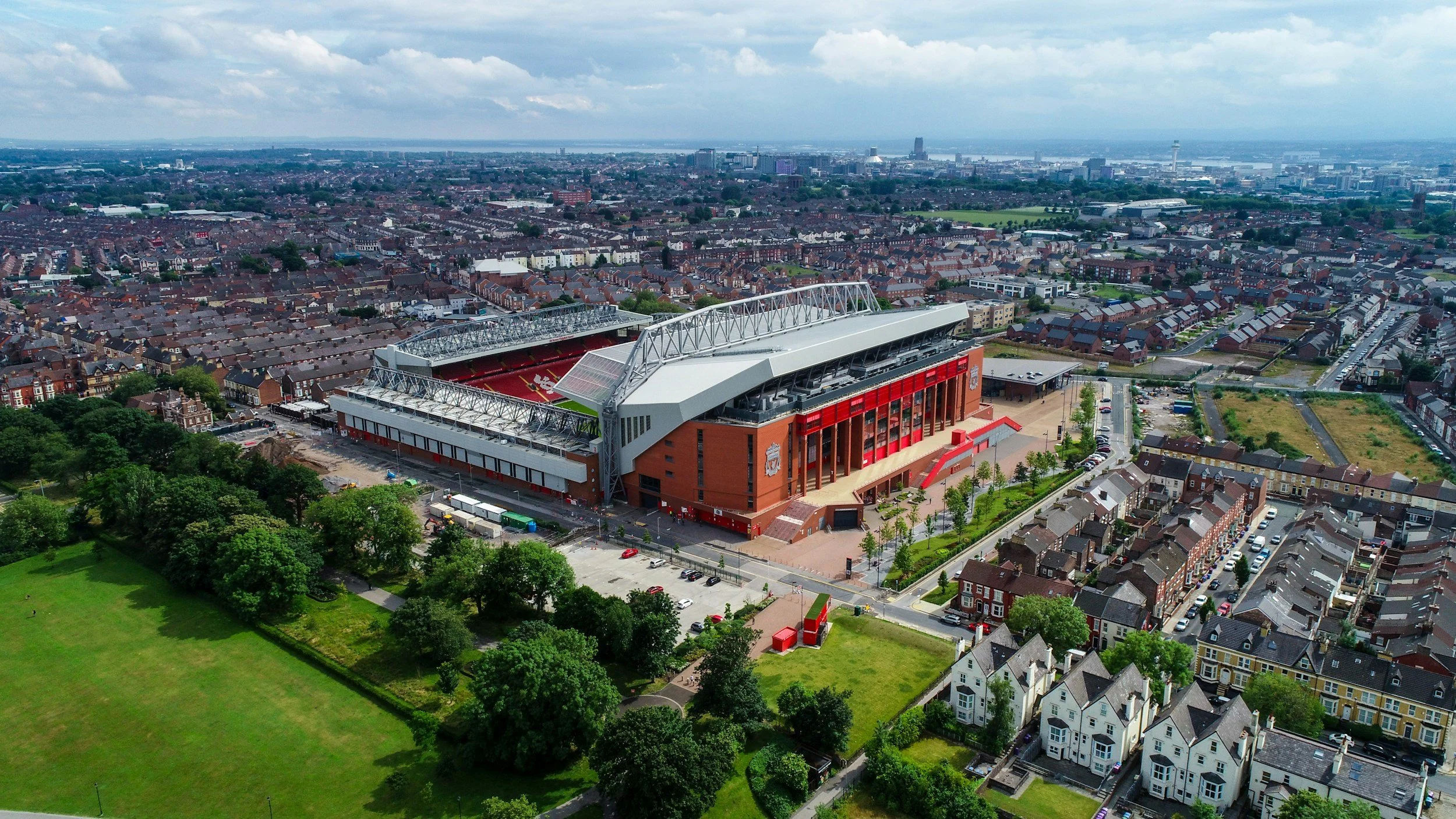
Dynasty's first investment set the tone. In September 2023, the firm acquired a strategic minority stake in Liverpool FC through Fenway Sports Group, valued between $100 million and $200 million. Liverpool is one of the most commercially powerful clubs in world football — a deliberate opening statement for a firm positioning itself at the premium end of global sports finance.

In early 2024, Dynasty co-led a $75 million Series A for TMRW Sports — the Tiger Woods and Rory McIlroy-founded company behind TGL, the tech-driven golf league that launched in January 2025 and promptly became the No. 1 live sports show in 45 countries. Cornwell joined the TMRW Sports board as an observer.

Most recently, in May 2025, Dynasty invested in Unrivaled Sports — the largest platform for youth sports experiences in the United States, hosting over 600,000 young athletes annually across 30 states — as part of a round led by DICK'S Sporting Goods.

The NFL Approval: A Validation No Amount of AUM Can Buy

In August 2024, Dynasty was named one of only seven PE firms approved to acquire stakes in NFL franchises — a distinction that required the league's trust, not just capital. The other approved firms include Blackstone, Carlyle, Ares, and Sixth Street, collectively managing over $2 trillion.

Cornwell's 30-year relationship with the NFL — dating back to his early career in the league's own corporate development office — is what separated Dynasty from other well-capitalized firms that didn't make the cut. Dynasty is also partnering with Carlyle specifically for NFL opportunities, pairing its relationships with Carlyle's scale.

"I see three reasons why private equity exists in sports now. No. 1 is just buying a team — these are large checks. You need more capital."

— K. Don Cornwell, Milken Institute Conference, Abu Dhabi

Why It Matters

Dynasty Equity is a case study in why relationships and reputation outperform assets under management in sports investing. Cornwell didn't build the most capital-heavy firm — he built the most credentialed one. With NFL access, a diversified portfolio spanning global football, technology-driven golf, and youth sports infrastructure, and a 21-person team that's 75% diverse, Dynasty is quietly becoming one of the most important names in sports private equity. Not because of its size. Because of its track record, its people, and its access.

#DynastyEquity  #SportsPrivateEquity  #SportsBusiness  #DonCornwell  #SportsInvesting  #NFL

10 Private Equity Firms Making Moves in Sports

Billion-dollar checks. Controlling stakes. Women's sports as a standalone thesis. Here's who's deploying capital — and what each deal signals about where the market is heading.


April 2026  |  Sourced from Dakota's March 2026 Sports Investing Report

Sports investing is no longer a sideshow. What started as billionaire vanity has become one of the most actively targeted sectors in institutional capital — recession-resistant fanbases, scarce asset supply, and global media rights have turned team ownership into a legitimate alternative investment thesis. These ten firms are not dabbling. They are writing billion-dollar checks, anchoring debt deals, and taking controlling positions in properties that were off-limits to institutional capital a decade ago.

1. Apollo Global Management

Apollo acquired a 55% controlling stake in Atlético Madrid at a ~$2.9B valuation — one of the largest PE control deals in European football to date. This was not a passive minority position. Apollo took control, signaling that top-tier buyout firms are now willing to run sports assets the way they run any other platform investment.

2. Pimco

Pimco anchored a €2.35B (~$2.47B) debt financing tied to CVC's global sports platform. Institutional lenders of this caliber don't show up for experimental asset classes. Their participation confirms that sports-backed debt is now underwritable at scale — the credit market for sports assets is structurally here to stay.

3. CVC Capital Partners

CVC built a global sports platform spanning football leagues, rugby, Formula 1, and tennis — large enough to anchor one of the biggest debt deals in sports history. CVC has consistently demonstrated that sports assets can be institutionalized and refinanced like any other platform. It's the template every sports-focused PE firm is studying.

4. Bertram Capital

Bertram's Ignite fund joined the ownership group of Liga MX club Querétaro F.C., its fourth platform investment in sports. Rather than one-off bets, Bertram is building a concentrated, thematic portfolio through Ignite — worth tracking as a potential co-investor in the emerging leagues and soccer-adjacent space.

5. Knighthead Capital (Shelby Companies Limited)

Through its Shelby Companies vehicle, Knighthead completed a 97% acquisition of Birmingham City Women's Club. Women's sports is no longer ancillary to men's league ownership — dedicated capital is flowing in as a separate investment thesis.

6. Avenue Sports Fund (Marc Lasry)

Avenue Sports Fund invested $40M in NWSL's NC Courage at a $155M pre-money valuation. The NWSL has seen valuation appreciation outpacing many established men's leagues on a percentage basis. This is a returns story, not a goodwill story.

7. Weatherford Capital

Weatherford backed USL alongside BellTower Partners ahead of the 2028 launch of USL Premier. Emerging league bets carry higher risk, but they offer entry valuations no longer available in the NFL, NBA, or Premier League. With the 2026 World Cup accelerating US soccer growth, Weatherford is positioning early in a potential tier-one domestic property.

8. HGGC

HGGC closed its fifth flagship fund at $3.2B — oversubscribed — and now manages more than $10B. Co-founded by NFL Hall of Famer Steve Young, sports-adjacent and athlete-owned businesses are a consistent thread in the portfolio. The oversubscribed close signals LPs are still writing large checks to established middle-market platforms.

9. Arctos Partners

Arctos has amassed one of the most diversified portfolios of minority stakes in North American professional sports, with holdings in the NFL's Buffalo Bills, NBA teams, and MLB franchises. KKR's reported $1B acquisition of Arctos itself signals just how strategically valuable a fully-built sports investment platform has become.

10. Sixth Street Partners

Sixth Street has made multi-billion-dollar investments in the Boston Celtics and New England Patriots. The firm has become one of the most active institutional players in North American sports ownership, demonstrating that the NFL and NBA are now fully open to top-tier PE capital at significant scale.

"The question is no longer whether sports is an institutional asset class. That debate is over."

— Dakota's March 2026 Sports Investing Report

The Big Picture

These ten firms represent a cross-section of what sports investing actually looks like in 2026: mega-fund control deals, institutional credit at scale, women's sports as a standalone thesis, and emerging league bets at entry valuations that are rapidly closing. What they share is the conviction that sports assets are undervalued relative to their long-term cash flow potential — and that the window to enter at reasonable valuations is narrowing faster than most expect.

#PrivateEquity  #SportsInvesting  #SportsBusiness  #AlternativeInvestments  #SportsFinance
McIlroy, Lowry & Ronaldo Back WHOOP's $575M Power Play

Elite athletes put their money where their metrics are as Boston-based wearables giant reaches $10.1B valuation — and sports tech's biggest stars are all in.

Sports Tech Atlanta  |  April 3, 2026

If you needed any more proof that the smartest athletes in the world are treating their bodies like high-performance machines — and backing the technology to match — look no further than WHOOP's landmark $575 million Series G funding round.

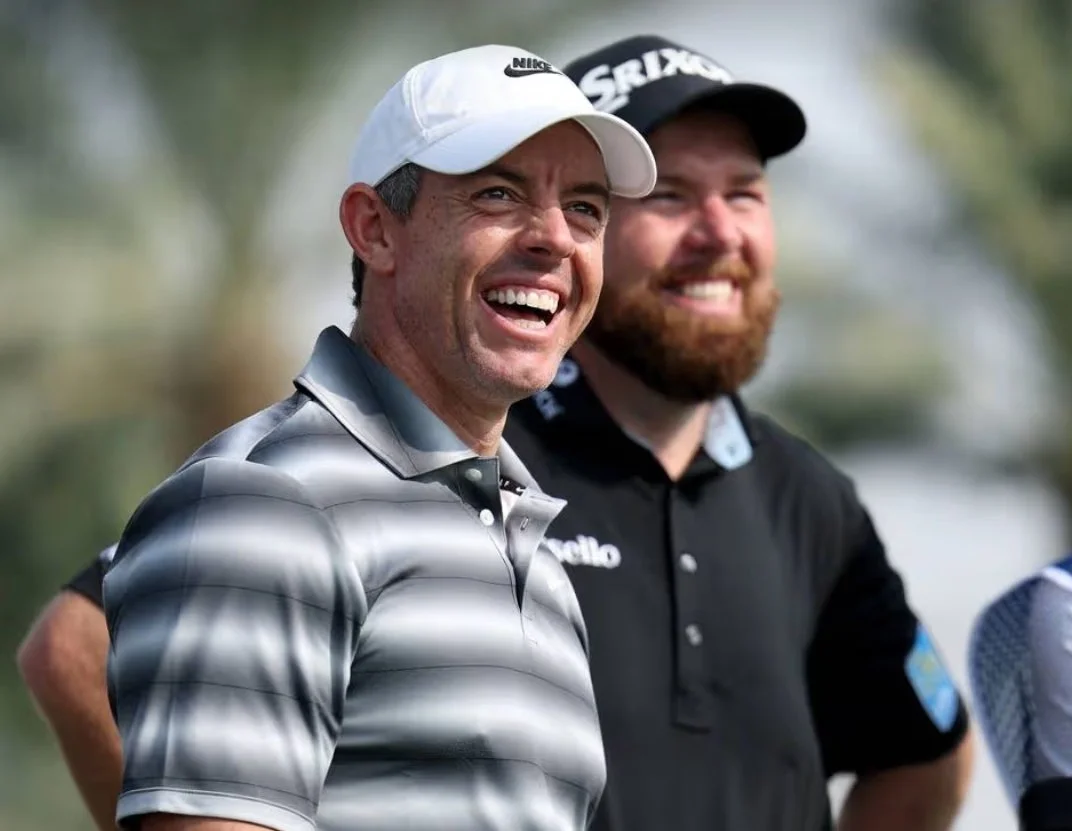
Golf's reigning world No. 1 Rory McIlroy, Open Championship winner Shane Lowry, global soccer icon Cristiano Ronaldo, NBA legend LeBron James, Liverpool's Virgil van Dijk, and NBA Hall of Famer Reggie Miller are among the individual investors who joined a powerhouse institutional group to push the Boston-based wearable health company to a staggering $10.1 billion valuation.

For Atlanta's sports tech community, this deal sends a clear signal: the convergence of elite sport and precision health data isn't a trend — it's an arms race.

What Is WHOOP — And Why Do Athletes Swear By It?

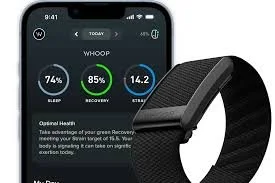
Founded in 2012 by CEO Will Ahmed, WHOOP has built one of the most respected wearable platforms in professional sport. Its minimalist, screenless fitness band continuously tracks biometric data — sleep quality, recovery scores, daily strain, heart rate variability, and respiratory rate — feeding a personalized health platform that now boasts more than 2.5 million members worldwide.

Unlike most consumer wearables, WHOOP isn't for casual step-counting. It's the kind of tool that tells a Tour pro whether his body is ready for a full practice round or screaming for rest. Rory McIlroy has been a longtime user, leaning on it during his rigorous year-round training schedule. Shane Lowry has credited performance data as a core part of his preparation.

"WHOOP has become one of the most important tools I use to support my long-term health. No other company has created a health platform this powerful that people are proud to wear."

— Cristiano Ronaldo, WHOOP Investor & Global Ambassador

The Round: $575M and a $10.1B Valuation

The Series G round was led by Abu Dhabi sovereign wealth fund Mubadala Investment Company alongside 2PointZero Group and the Qatar Investment Authority — a consortium that signals how deeply Gulf-state investors are leaning into the performance health economy.

Other institutional participants included Collaborative Fund, Abbott, Mayo Clinic, Macquarie Capital, IVP, Foundry, Accomplice, Affinity Partners, and Bullhound Capital — a who's-who of growth-stage health and consumer tech investing.

WHOOP's last fiscal year saw the company operate cash-flow positive — a rare distinction among high-growth wearables platforms. That financial discipline, combined with a 2.5 million-strong member base, gave investors the confidence to commit at a valuation that would have seemed audacious just a few years ago.

Where the Money Goes: Global Expansion and 600 New Jobs

Proceeds from the raise will fuel aggressive international expansion across Europe, the Gulf region, Latin America, and Asia. A key milestone: WHOOP will open its first overseas research lab in Doha, Qatar — a strategic move that places the company at the center of the Gulf's rapidly maturing health-tech ecosystem.

WHOOP's Irish headquarters in Limerick — which already employs 150 people — will also expand as part of a plan to add 600 roles globally across software, hardware, research, design, product, and marketing functions.

Why This Matters for the Sports Tech Ecosystem

At Sports Tech Atlanta, we've been tracking the accelerating trend of elite athletes not just endorsing health-tech platforms but becoming equity stakeholders in them. This shift matters enormously.

When McIlroy straps on a WHOOP band, he's not doing it for a check — he's doing it because the data tangibly shapes how he trains, recovers, and competes. When Ronaldo invests, he's signaling that continuous biometric monitoring is no longer a novelty for elite athletes; it's infrastructure. And when LeBron James backs a platform, consumer markets pay attention.

WHOOP CEO Will Ahmed put it plainly: "Our raise brings together the world's most sophisticated investors, leading health institutions, and iconic global athletes behind the mission to unlock human performance and healthspan."

The company's broader thesis — that AI-powered continuous biometric data can shift healthcare from reactive to predictive — is increasingly backed by both scientific evidence and institutional capital. As chronic disease rates climb globally and healthcare systems buckle under reactive-care costs, the case for personalized health monitoring has never been stronger.

The Bottom Line

WHOOP's $575M round isn't just a funding milestone — it's a statement about where the sports performance and personal health industries are headed. When the world's most decorated athletes put their own capital behind a wearables platform, it validates the entire sector. For founders, investors, and technologists building the next generation of sports and health tools right here in Atlanta, that's not just encouraging. It's a blueprint.

#SportsTechATL  #WHOOP  #SportsTech  #Wearables  #HealthTech  #McIlroy  #Ronaldo