
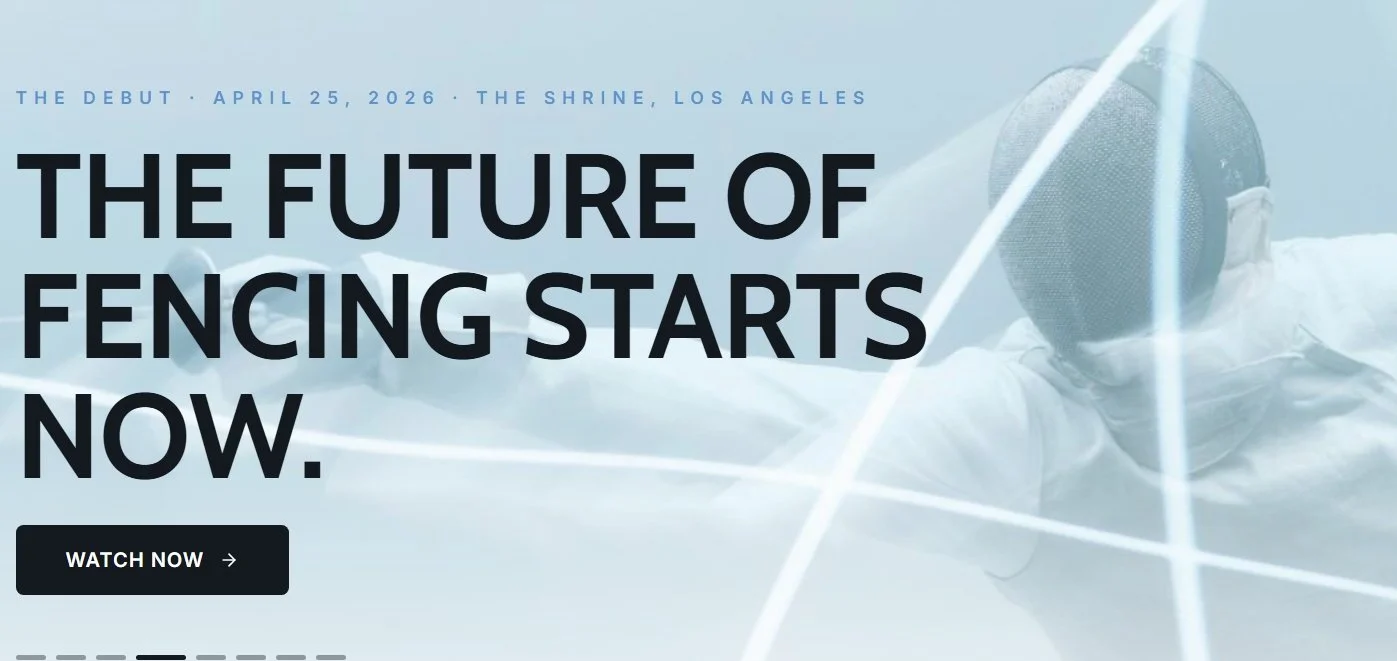
The World Fencing League promised a revolution. On Saturday April 25 at the Shrine Auditorium and Exhibition Hall in Los Angeles, it delivered one.
The NBA is thinking bigger than ever. Commissioner Adam Silver and league executives are quietly engineering one of the most audacious moves in sports history: a brand-new professional basketball league planted in the heart of Europe, potentially launching as early as October 2027.
Code-named "NBA Europe," the plan calls for 14 to 16 teams anchored by 12 permanent franchise members in some of the continent's most iconic sports cities — Paris, Madrid, London, Berlin, and beyond. This isn't a series of exhibition games or a developmental program. This is a full-fledged, NBA-branded professional league designed to compete at the highest global level.
And investors are paying attention. Early bids for franchise spots have already exceeded $500 million, signaling that the business world sees what the NBA sees: a continent of 750 million people hungry for top-tier basketball.
Basketball's global footprint has never been larger. The 2024 Paris Olympics reminded the world that European basketball isn't just competitive — it's electric. Stars like Nikola Jokić, Giannis Antetokounmpo, and Luka Dončić have spent years building bridges between European courts and NBA arenas. Now the NBA wants to institutionalize that connection.
Europe represents the single largest untapped professional sports market for the NBA. Soccer may reign supreme, but basketball's growth numbers across the continent have been consistent and impressive for over two decades. A permanent European league would allow the NBA to:
Capture media rights revenue across dozens of countries simultaneously
Develop European talent through a structured, NBA-affiliated pipeline
Establish brand loyalty in cities that currently have no top-tier NBA connection
Create a pathway for potential NBA expansion or cross-league competition in the future
The timing also aligns with a wave of global sports investment. Private equity, sovereign wealth funds, and tech billionaires are pouring capital into European sports at unprecedented rates. The NBA wants its seat at that table.
Here's where the story gets complicated.
The EuroLeague isn't standing still. Already Europe's premier professional basketball competition — featuring historic clubs like Real Madrid, FC Barcelona, Olympiacos, Fenerbahçe, and Anadolu Efes — the EuroLeague has spent the past several years locking in its future. Many of its shareholder clubs are extending their long-term licenses, strengthening their grip on the European basketball ecosystem just as the NBA comes knocking.
The math is blunt: the NBA wants some of these very clubs — Real Madrid, Fenerbahçe — as founding members of NBA Europe. But those clubs already have deep, profitable relationships with the EuroLeague. Walking away isn't simple.
The result is a fascinating standoff. Two of the world's most powerful basketball entities are simultaneously competitors and potential partners. There have been reported discussions about a possible "historic alliance" — a framework that could let clubs compete in both systems, share media revenue, or establish a structured relationship that benefits European basketball without blowing up what already exists.
The EuroLeague itself isn't a passive player. Analysts have valued the league at reaching €2.5 billion by 2029 — a figure that reflects both its current strength and its belief in its own trajectory. That's not the valuation of an organization that feels threatened. That's an organization negotiating from a position of confidence.
While official details remain closely guarded, here's what reporting and league sources suggest:
The Structure: A 14–16 team league, with 12 permanent (non-relegation) franchises forming the core. Additional spots may be earned through promotion from existing national leagues.
The Calendar: Targeting an October 2027 launch, mirroring the NBA's own opening month to create a global basketball season that runs in parallel.
The Cities: Paris, Madrid, and London are considered near-certainties. Berlin, Istanbul, Milan, Athens, and Barcelona are all in discussions.
The Players: Expect a blend of established NBA veterans, elite European stars returning home, and prospects who choose to develop in Europe rather than the G League.
The Broadcast: A global streaming and broadcast deal would likely anchor the league's financial model, with the NBA's existing relationships with ESPN, Amazon, and NBC providing leverage.
For the NBA, this is a long game. NBA Europe won't generate immediate revenues that rival the main league — the infrastructure costs alone will be enormous. But the strategic payoff is measured in decades, not quarters.
Building brand equity in Europe now means capturing the next generation of fans. A teenager in Paris who grows up watching NBA Europe games doesn't just become a French basketball fan — they become a global NBA fan. That's the audience the league has always wanted, and this is the vehicle to reach them.
For European basketball, the stakes are different. The EuroLeague has built something real — a product that fans love, clubs that have invested generously, and a competitive structure that produces genuinely excellent basketball. The arrival of the NBA's resources and brand power could either elevate the entire ecosystem or threaten to fragment it.
The most optimistic outcome is a world where NBA Europe and the EuroLeague coexist, compete, and ultimately raise the level of the game across the continent. The most pessimistic is a prolonged conflict that destabilizes European club basketball for years.
NBA Europe isn't a rumor anymore. It's a plan with franchise bids, target cities, and a projected launch date. Whether it launches on schedule, gets delayed, or ultimately takes a different form than currently envisioned — the direction is clear.
The NBA is coming to Europe. The question is no longer if, but how.
And in the courts of Madrid, the arenas of Paris, and the halls of EuroLeague headquarters in Barcelona, everyone is watching to find out.
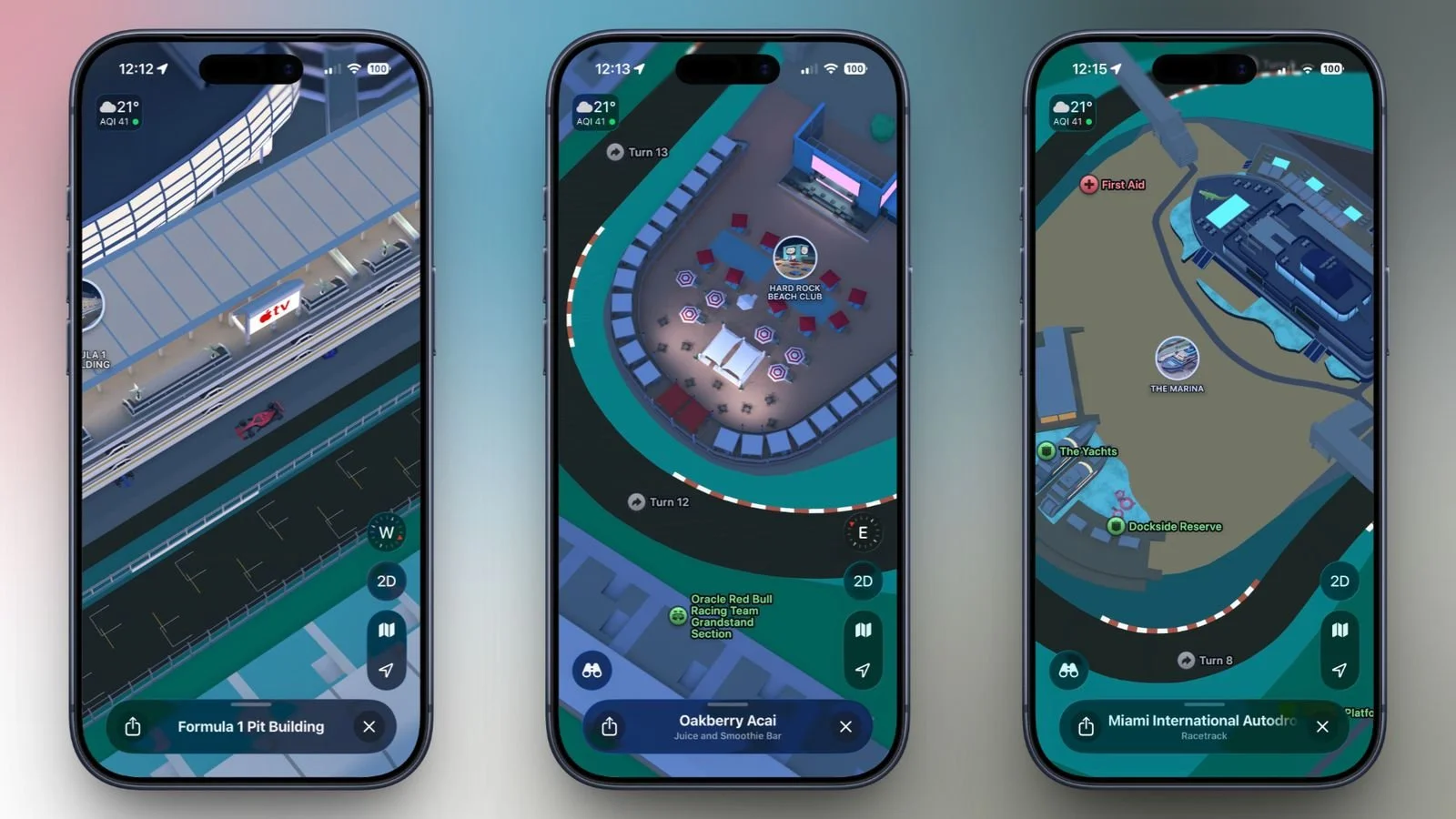
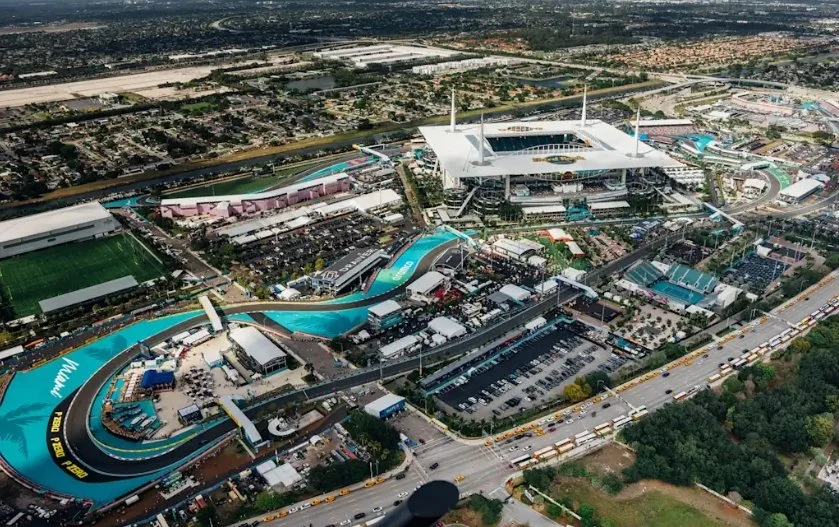
Apple Maps just rolled out a fully immersive 3D experience for the Miami International Autodrome, arriving ahead of the May 3 Miami Grand Prix. It's the second circuit to get this treatment in Apple's "2026 Formula 1 Tracks Around the World" guide, following the season-opening Australian Grand Prix at Albert Park.
"Spotify's first US sports deal isn't the NFL. It isn't the NBA. It's the New York Liberty."
Swedish audio streaming giant Spotify has secured a multi-year partnership with the New York Liberty, making it the company's first US sports team deal. The agreement, finalized days before the 2026 preseason opens on April 25, sees Spotify become the Liberty's official music partner.
Instantly elevate your startup's investor appeal with a tailored deal memo crafted by professionals.
Create a professional deal memo effortlessly, enhancing your startup's appeal to investors.
Get insights into your product-market fit with tailored analysis from seasoned experts.
Streamline the investor connection process with clear, concise deal memos.
Unlock potential investment opportunities and set your startup on a path to success with ease and confidence. This service empowers you to focus on growth while we handle the heavy lifting of investor engagement.
What you get: 45 days from day of purchase of connection to Sports Tech Atlanta. After the deal memo is created, Sports Tech Atlanta will begin to direct communication to potential partners. This memo service does not guarantee an investment, deal, or partnership. Throughout the 45 days STA will send weekly check ins to update on outreach targets and communications. Upon completion of the 45 days. STA will deliver a report displaying performance, targets, outreach, and any additional information gathered throughout the process.
The scope of the deal is broad. Spotify will have a prominent presence throughout Barclays Center — signage, digital touchpoints, and on-court branding — while also sponsoring several events across the season. On the content side, the partnership will produce player playlists, stories from Liberty athletes about their musical tastes, and an official team playlist that will be refreshed throughout the year.
Mark your calendarTo kick off the partnership, Spotify will host a block party at the Liberty's first home game at Barclays Center on May 8. Expect the music-basketball crossover to be front and center.
For Spotify, this is a notable strategic pivot into US team sports. The company's largest partnership remains its front-of-shirt and stadium naming rights deal with FC Barcelona, running through 2030. It has also built relationships with the ATP men's tennis tour and several esports organizations. But choosing a WNBA franchise as the vehicle for its first American team deal is a deliberate signal — and one that speaks volumes about where investor and brand attention is flowing.
Meanwhile, the Victory+ OTT platform has struck a multi-year deal to become the exclusive local streaming home of the Minnesota Lynx, marking the platform's first WNBA agreement. Starting with the 2026 season, fans across the Minneapolis–St. Paul region and surrounding markets will gain free, ad-supported access to a minimum of 18 regular-season games, plus three preseason contests and shoulder programming.
Coverage begins immediately, with the Lynx's preseason matchup against the Washington Mystics on April 25. For Victory+, the Lynx deal adds to a portfolio that already includes a 57-game NWSL slate, League One Volleyball rights, and local deals with the Dallas Cowboys, Dallas Stars, and Texas Rangers — a rapidly expanding footprint in women's and regional sports streaming.
Both deals reflect a broader trend that practitioners in the sports technology and media space have been watching closely: the WNBA is no longer a secondary consideration for major commercial partners. It's a first mover's market. Brands that establish early partnerships — as Spotify has done here — are positioning themselves ahead of what increasingly looks like a sustained, long-term growth curve for women's professional basketball.
For the streaming side, Victory+'s aggressive rights acquisition strategy across women's leagues and regional sports is a bet that free, ad-supported models can drive audience scale where subscription fatigue is real. That's a hypothesis worth watching as the 2026 season unfolds.
On April 22 — the eve of the Draft — Pittsburgh's Carnegie Mellon University and the AI Strike Team brought together investors, founders, civic leaders, and sports executives for Powering the Future of Sport: A Draft Week Showcase at CMU's newly opened Robotics Innovation Center in Hazelwood Green. The venue itself tells a story: a former steel mill site reimagined as the nation's premier facility for physical AI research and commercialization. Old Pittsburgh and new Pittsburgh, in one building.
The centerpiece of the day was the Forge to Field AI Pitch Competition — a Shark Tank-style showdown drawing over 100 applications from across the country, with six finalists competing for a share of a $1.75 million prize pool LancasterOnline, including up to $1 million in AWS cloud credits. The prize comes with a condition: winners commit to establishing a meaningful operating presence in Pittsburgh or Western Pennsylvania.
Judging the competition was a panel that included Pittsburgh-area native Mark Cuban, Dick's Sporting Goods founder Ed Stack, and others — with a clear message that the city is serious about attracting talent and capital at the intersection of sport and tech. Axios
And if you needed any more proof that this was a full-city moment — Steelers legend Jerome Bettis was there, watching Mayor Corey O'Connor dive for a football thrown by a robot, scuffing his navy suit in the process. LancasterOnline As Bettis put it, AI is "gonna change the game" his son will know when he graduates from college. "That's what makes it so beautiful — it's happening at home."
Cuban didn't hold back either: "I think Pittsburgh, after Silicon Valley, is becoming the leading center for artificial intelligence and robotics. CMU is really establishing themselves, not only as a leader in terms of education, but in terms of entrepreneurship as well. And what makes us dramatically different than Silicon Valley is it's affordable to live here." LancasterOnline
The Six Companies That Pitched
Here are the six finalists chosen from nearly 100 qualified applicants across more than 10 tech hubs nationwide: Cyprus CEO
Flowstate — Think of them as the intelligence layer for sports video. Their AI agents analyze both live and pre-recorded footage to automate workflows across content, sponsorship, media operations, and fan distribution. If you've ever wondered how leagues and teams could move faster on content at scale, this is the answer.
MyoVerse — A wearable neuromuscular sensing and AI analytics platform that converts real-time muscle activity into objective biomarkers. The use cases span performance optimization, rehabilitation, and clinical decision-making. This is the kind of tech that bridges athletic performance and sports medicine in a way that's genuinely new.
As AI Strike Team founder Joanna Doven framed it: "The future of sport isn't just about winning games — it's about who owns the advantage in the next technological era. The same AI and robotics transforming athlete performance are the same technologies powering trillion-dollar industries like defense and healthcare." Carnegie Mellon University
What's inside:
Learn how retail buyers evaluate new products — and exactly what they need to see before saying yes
Get the frameworks for pricing margins, packaging requirements, and retailer-specific pitch structures for Home Depot, Lowe's, Target, and Walmart
Written from the buying side, this guide gives founders the insider knowledge that usually takes years and costly mistakes to learn
Plus advisory services such as office hours, 1:1 consulting, dinners, and more.
For a more tailored experience or package. Please reach out to info@sportstechatlanta.com to explore retain and commission advisory services.