
From lower-body movement tracking to AI-powered training apps, these five products offer a glimpse into how technology is changing the way athletes train, compete and recover.
Sports technology doesn't always arrive in the form of a billion-dollar platform or a major league partnership. Sometimes, the most interesting innovations are products that solve a specific problem for athletes, coaches or everyday sports enthusiasts.
From wearables that look beyond your wrist to AI tools that turn a smartphone into a training assistant, a new generation of sports tech companies is rethinking what performance technology can look like.
Here are five products worth watching.
1. upLYFT A1: A Different Way to Measure Athletic Movement
The idea: Go beyond heart rate and recovery scores.
Most consumer wearables focus on familiar metrics such as heart rate, sleep and activity. upLYFT is taking a different approach with its A1 Performance Track Band, introduced in September 2026.
The wearable is designed to analyze movement across the lower body, helping athletes build a more detailed picture of how they move during training.
Why it matters: Athletic performance isn't just about how hard an athlete works. How they move, distribute force and repeat movements can also influence performance and training decisions.
The opportunity for sports tech is making insights that once required specialized facilities more accessible to athletes and coaches.
The takeaway: The next evolution of wearables may focus less on counting what athletes do and more on understanding how they do it.

2. PEPPER: Bringing Electrical Muscle Stimulation Into the Workout
The idea: Rethink the traditional strength-training session.
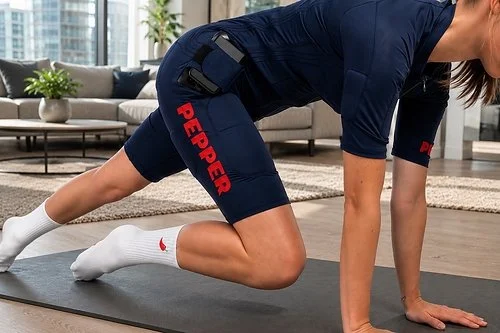
PEPPER announced its U.S. launch in June 2026 with a wireless Muscle Activation Suit that uses electrical muscle stimulation (EMS) alongside a guided training app.
The concept combines wearable technology and structured workouts to deliver a different approach to strength training. The company markets a 20-minute session as comparable to a longer conventional workout, although individual results will vary and the claim should be evaluated in context.
Why it matters: Fitness technology increasingly focuses on making training more accessible, personalized and convenient. Wearable systems that combine hardware, software and coaching could appeal to people who want structured workouts without relying exclusively on traditional gym equipment.
For the sports industry, the interesting question is how these systems might complement existing strength and conditioning programs.
The takeaway: The gym experience is expanding beyond racks, weights and machines into connected, wearable training systems.
3. Mojawa Purra Flow: Your Headphones Become Your Coach
The idea: Combine audio, heart-rate monitoring and real-time training guidance.
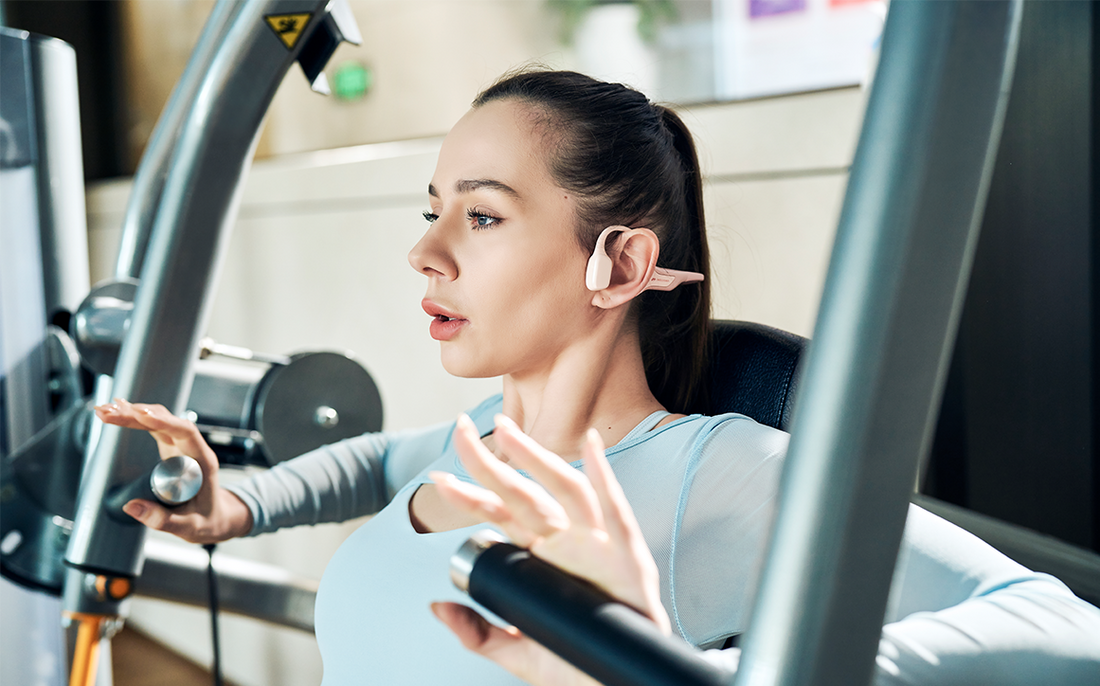
Mojawa introduced Purra Flow in July 2026, bringing AI coaching features to bone-conduction sports headphones.
The product combines open-ear audio, heart-rate monitoring, onboard music storage and voice-based workout guidance. It is designed for activities including running, cycling and swimming.
Instead of repeatedly checking a watch or phone, athletes can receive prompts intended to help them manage workout intensity while staying focused on the activity.
Why it matters: Wearables are becoming more than passive data collectors. The next step is turning information into timely guidance that athletes can actually use while moving.
Audio may be an especially useful interface because it can deliver feedback without requiring an athlete to stop and look at a screen.
The takeaway: The next wearable breakthrough may not be another screen. It may be a smarter coach in your ears.
4. HoloSport SollaWave: Making Swimming More Connected
The idea: Bring entertainment and training feedback into the pool.
Swimming presents a unique challenge for consumer technology. Athletes are surrounded by water, often separated from their phones and unable to interact easily with traditional screens.
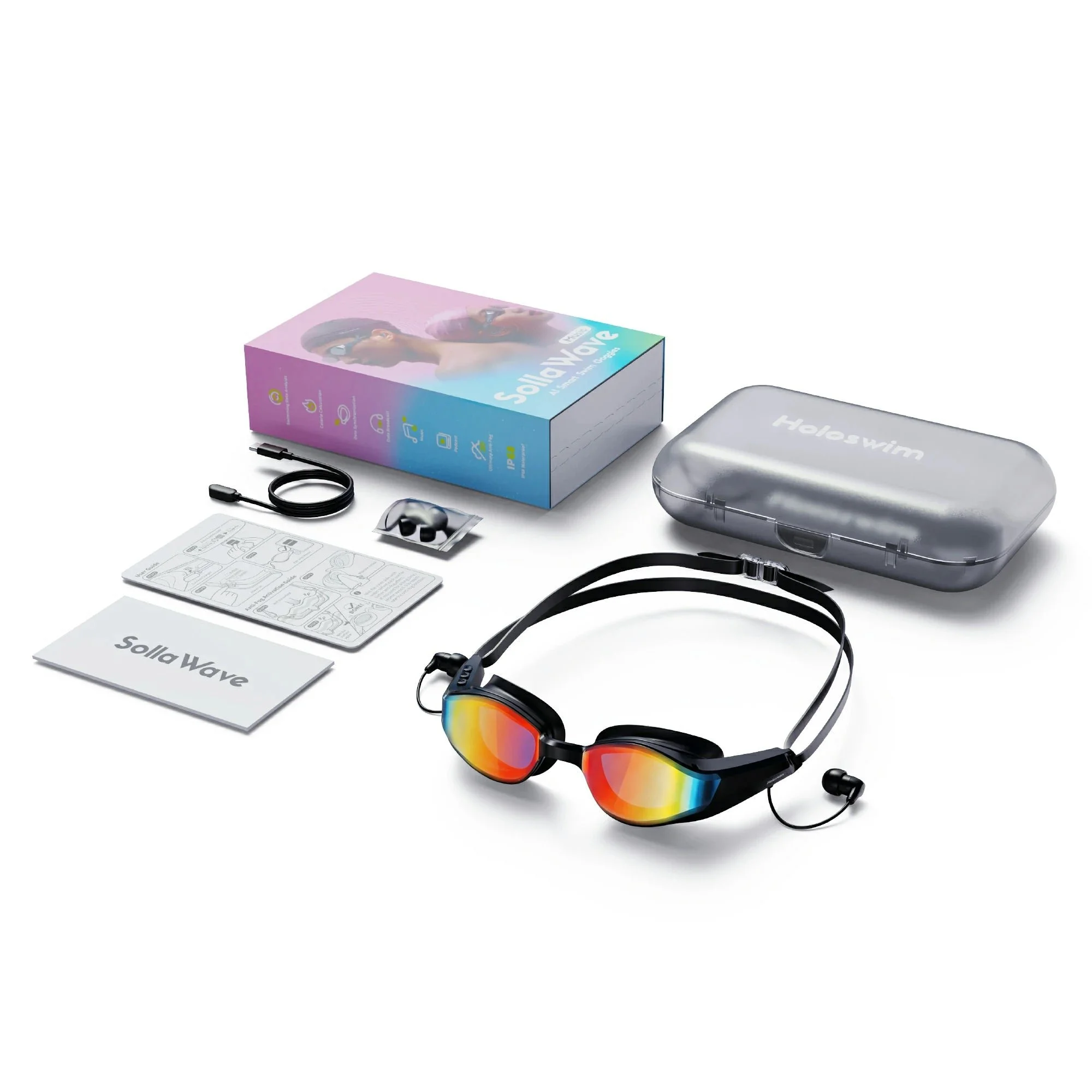
HoloSport announced SollaWave in June 2026, positioning it as a connected swimming product combining goggles, music playback, fitness tracking and accessories designed for the swimming experience.
The broader concept is compelling: making technology more useful in an environment where conventional connected devices are less practical.
Why it matters: Connected fitness has grown across running, cycling and strength training, but swimming requires different hardware and user experiences. Products that address those constraints could make the sport more engaging for recreational swimmers while opening new opportunities for training feedback.
The takeaway: Some of the most interesting sports tech opportunities emerge when companies design specifically for the challenges of an individual sport.
5. Ballogy: AI-Powered Player Development in Your Pocket
The idea: Make training data more accessible to athletes and coaches.
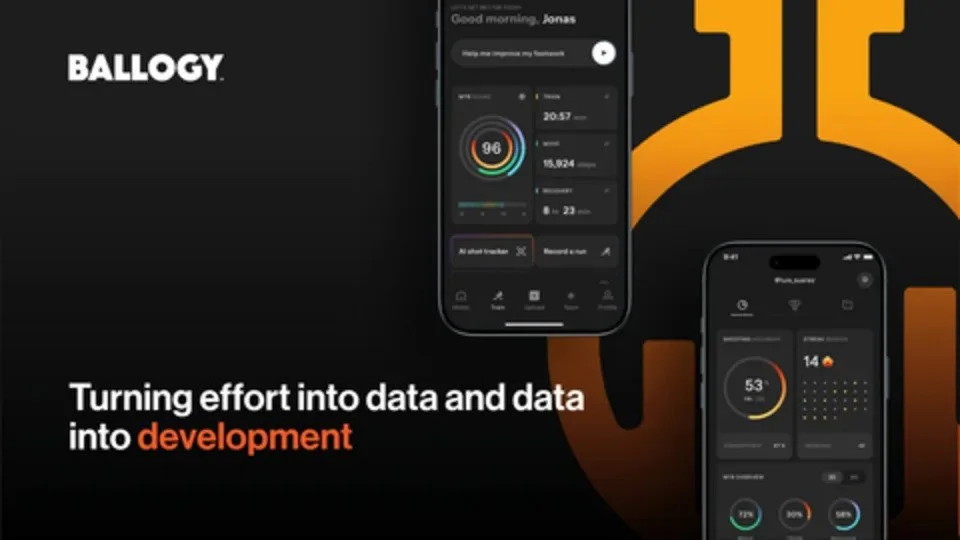
Ballogy launched its new Move, Train, Recover app in August 2026, expanding its approach to athlete development with AI-powered tools, activity tracking and training management.
The platform uses computer vision to track certain sport-specific drills and weight-room repetitions. It also brings activity and recovery information into a broader framework for athlete development.
Why it matters: Advanced performance analysis has traditionally been associated with professional teams, specialized facilities and expensive equipment. Smartphone-based tools offer a different model, potentially bringing structured feedback to youth, amateur and grassroots athletes.
For coaches, the opportunity goes beyond measuring performance. It includes organizing training, assigning activities and helping athletes build consistent development habits.
The takeaway: The future of sports technology isn't just about helping elite athletes get better. It's also about giving more athletes access to better development tools.
The Bigger Picture: Sports Tech Is Becoming More Personal
These five products operate in different parts of the sports technology ecosystem, but they point toward several common themes.
AI is becoming a training interface. Technology is moving beyond dashboards and toward tools that provide guidance during workouts.
Wearables are becoming more specialized. Rather than relying on one device to measure everything, athletes may increasingly use purpose-built products for particular sports or performance needs.
Performance insights are moving closer to the athlete. Smartphone cameras, connected equipment and consumer wearables are expanding access to training information.
The experience matters as much as the data. Whether it's listening to music while swimming or receiving feedback without checking a screen, technology must fit naturally into the sport.
Of course, an interesting product is not automatically a proven performance solution. Accuracy, usability, scientific validation, price and adoption will determine which innovations make a lasting impact.
But the direction is worth watching.
For sports organizations, teams, coaches and technology companies, the opportunity is to identify products that solve real problems—not simply add another layer of data.
At Sports Tech Atlanta, we'll continue following the companies and innovations shaping the future of sports.
Which of these five products would you most want to try?
Sports Tech Atlanta covers the technology, companies and ideas changing the business and experience of sports.