The short version
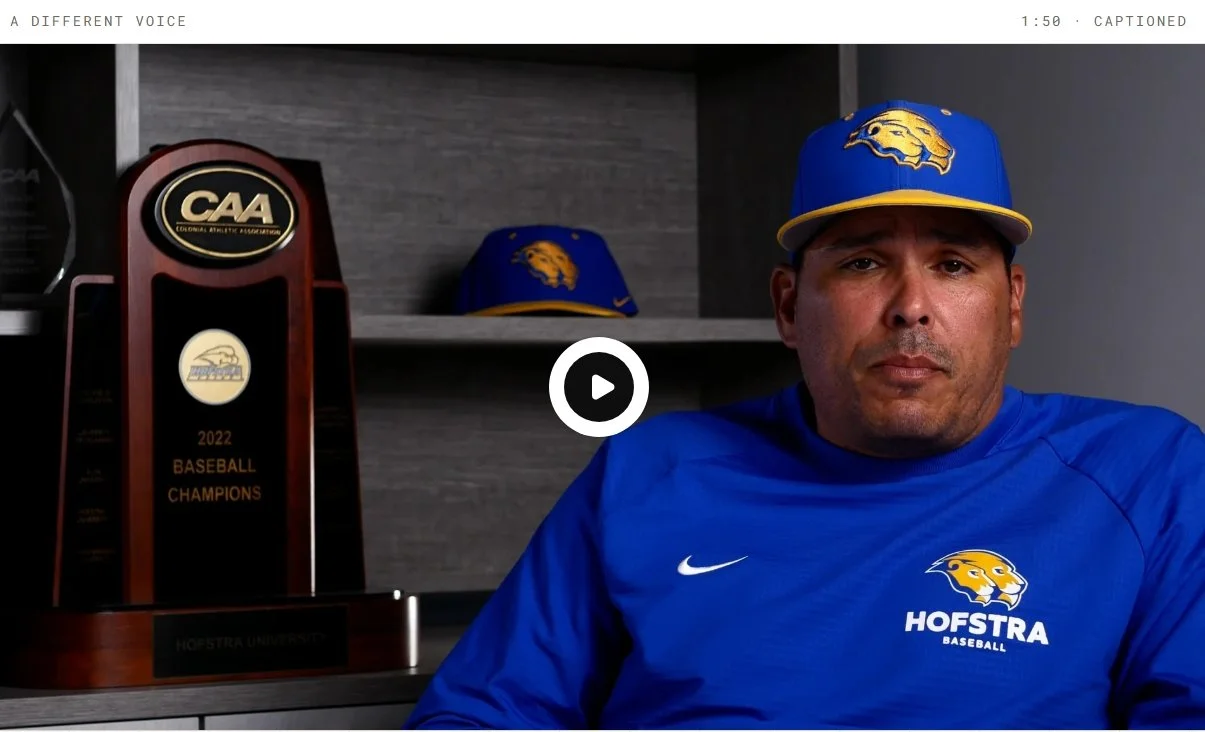
Hofstra Baseball head coach Frank Catalanotto and associate head coach Chris Rojas use NTangible to see something their eyes can't: how each player thinks and how he wants to be coached. Every athlete takes two short assessments on his phone. The staff then use each player's Clutch Factor™ score and NTerpret™ profile to adjust how they communicate with him, ask sharper recruiting questions, and track change over time.
The result is more individualized coaching and a more efficient use of staff time. The assessments also challenged some long-held assumptions about which players were truly "clutch."
The gap NTangible fills
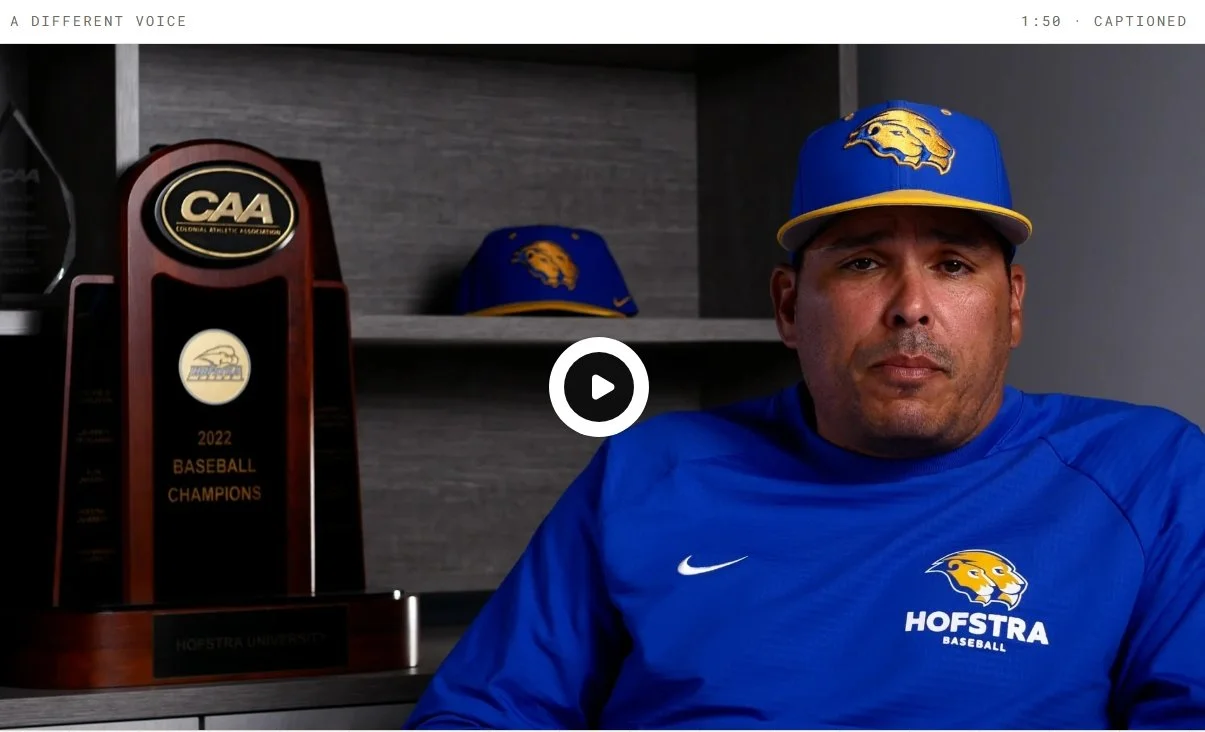
Catalanotto's point is simple. A coaching staff can watch a player throw, run and hit every day. What they can't watch is what's going on in his head. In-game performance and practice habits give coaches a partial picture, and the rest has historically come down to gut feel and time spent with each player.
NTangible gives the staff a structured read on that missing piece. The staff use it next to what they already see in training and competition, not in place of it.
How the workflow runs
The process is light enough to fit into a college baseball calendar:
Send the link. Athletes get an assessment link from NControl, NTangible's team dashboard.
Take the assessments. Each player completes two assessments on his phone, about 15 minutes in total.
Review the results. Staff look at each athlete's Clutch Factor™ score and NTerpret™ profile, which includes how that player prefers to be communicated with.
Act on it. The staff pick a next step: a coaching conversation, a question to explore in recruiting, or a retest in six to twelve months.
That last step matters. The output isn't a report that sits in a folder. Each result points to a decision a coach already makes.
What changed for Hofstra's staff
Assumptions got tested. Clutch Factor scores didn't always line up with the players the staff had pegged as clutch. That pushed the coaches to rethink who they lean on in high-pressure moments, and why.
Coaching became individual. Instead of delivering one message the same way to the whole roster, the staff tailor their approach player by player.
Communication style became a choice, not a default. Rojas describes his natural style as tough love. Now he checks a player's profile before he decides whether to challenge him directly, use a different approach, or lead with encouragement. In his words, sometimes a player "needs a different voice or he needs a different communication style."
Staff time got focused. Catalanotto says the profiles let him put his energy into the four to six players who need to be handled differently, rather than spreading it evenly across everyone.
Why this matters beyond Hofstra
At Sports Tech Atlanta, we spend a lot of time with programs evaluating new tools and with sports-tech companies trying to win them. The Hofstra story is a useful example of what adoption looks like when it works. A few takeaways:
Low friction drives adoption. Fifteen minutes on a phone, sent from one dashboard, is a realistic ask of a college roster. Tools that need lab time or long onboarding struggle to get past a pilot.
Outputs should map to decisions coaches already make. Hofstra's staff use the data for three things they were already doing: talking to players, recruiting and tracking development. That's why it sticks.
The best tools add to coaching judgment. Nobody at Hofstra handed decisions to a score. The data sharpened what the coaches already saw and, in a few cases, corrected it.
Repeat measurement builds the longer story. A six-to-twelve-month retest cycle turns a one-time snapshot into a development record. That's where a program's own outcome data will eventually come from.
For sports-tech founders, the lesson is just as clear. Hofstra's story sells through workflow and coach behavior, not a dashboard screenshot. The next chapter for any tool like this is pairing those stories with measurable outcomes over a season.
Work with Sports Tech Atlanta
Sports Tech Atlanta helps sports properties, programs and sports-tech companies find the right partners, structure pilots and turn early wins into commercial momentum. If you're evaluating performance or athlete-development technology, or you're building it and want to get in front of the right programs, let's talk.
Source: How Hofstra Baseball Uses NTangible in Coaching, NTangible.