When I finished playing Division I baseball at Indiana, nobody handed me a playbook for what came next. Most athletes figure it out alone, and the ones who get money early usually get pitched by everyone and taught by no one. Plenty of athlete investing over the last decade looked exactly like that: a famous name, a small check, a press release, and not much else.
That's why this week's news about Kevin Love caught my attention. It's a different model, and I think it's the better one.
The Deal
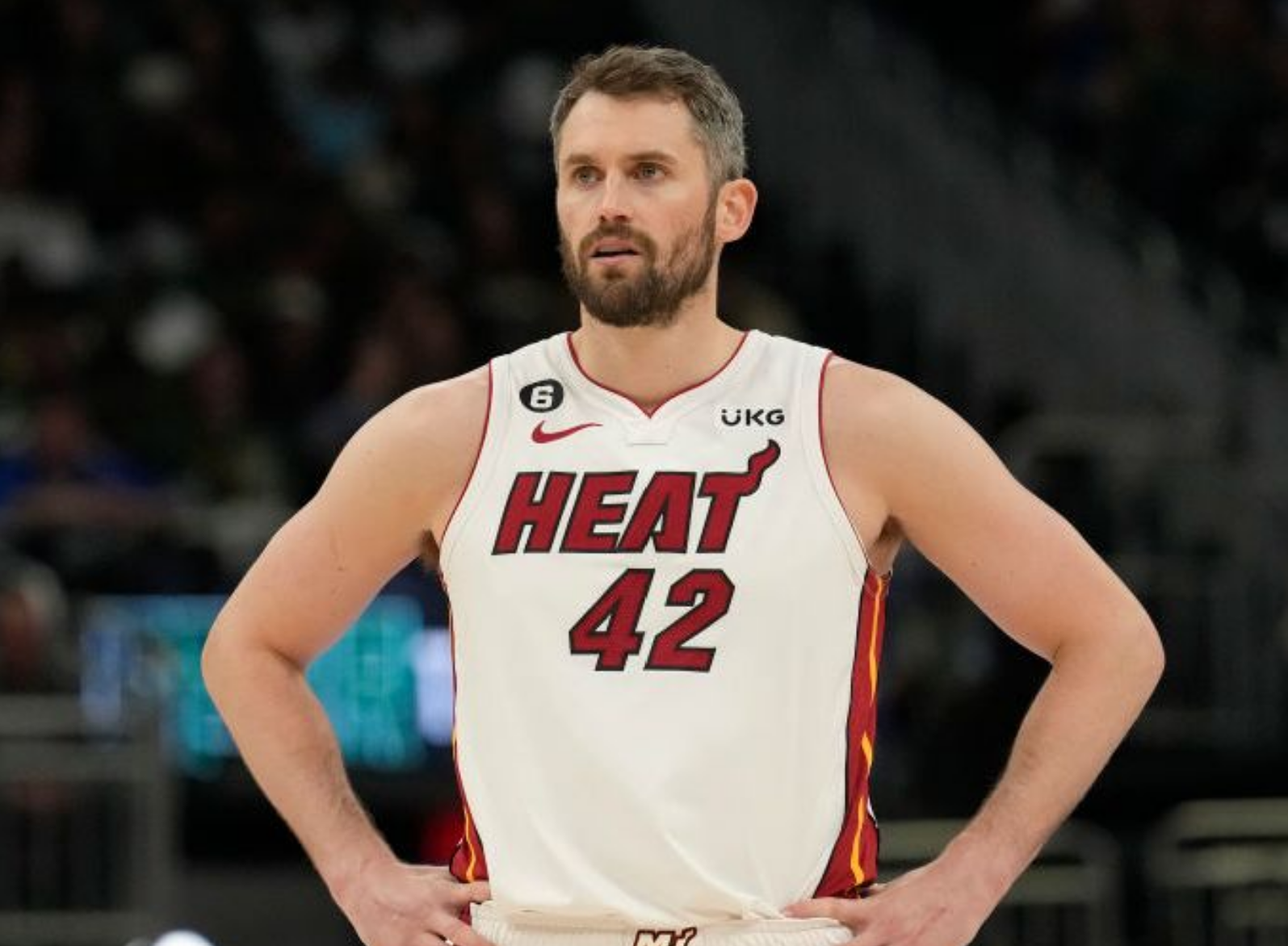
Kevin Love, the five-time NBA All-Star and 2016 champion, has joined Athletic Ventures as a Venture Partner to lead the firm's push into the United States.
Athletic Ventures is an athlete-led VC based in Sydney, co-founded by former AFL player Matt de Boer and Love's old Cavaliers teammate Matthew Dellavedova. According to Startup Daily, its community includes more than 500 athletes across 26 sports. It runs a $35 million first fund alongside 14 special purpose vehicles, and its portfolio includes Eucalyptus, Guzman y Gomez, Lorikeet, Hnry and splose.
Love's job has two parts: help portfolio companies with their US expansion, and build a community of American athletes who invest together. In his own announcement, he described it as connecting athletes with experienced investors and founders, learning venture together, and backing companies where athletes can actually make a difference.
Dellavedova's reasoning was practical. A lot of AV's founders are already moving to the US, so following them there is the natural next step. On Love specifically, he said it'll be great for founders given "the doors he can open."
Love and Dellavedova played 225 games together and have co-invested before. Love also isn't new to this: he's been an angel in companies like Koia and Aescape, and his portfolio includes Poppi, which was acquired by PepsiCo in 2025.
Why This Model Is Different
Most athlete investing falls into one of two buckets. A star launches their own fund, or a star writes celebrity checks into deals someone else brings them. Athletic Ventures is built around a third idea: athletes as a community of investors, pooling smaller checks, co-investing alongside tier-one VCs, and learning the asset class together.
That matters for three reasons.
It lowers the bar to get in. SPVs and a pooled fund let an athlete who isn't a max-contract star still get into quality deals with real diligence behind them. That opens venture up to the many pro athletes who will never have a family office.
It puts education first. Learning together is part of the pitch, not an afterthought. Athletes who understand dilution, preference stacks and follow-on rounds make better investors and better partners to founders.
It's honest about where athletes add value. De Boer put it plainly: the biggest help athletes give is on go-to-market, with PR, social media and networks. That's the right answer. Founders don't need their investor to run the business. They need someone who can get them into rooms, create attention and validate them with a customer audience.
Why Kevin Love Fits
Love has spent years building credibility off the court. The Kevin Love Fund has made him one of the most trusted voices on athlete mental health and identity beyond the game. That's not a side note to this deal. It's the reason he's the right person to build an athlete investor community. The message that you're more than your last game is exactly what an athlete needs to hear before thinking about life after sports, and about what to do with their money.
He also has range. Eighteen years in the league, relationships across the NBA and beyond, a track record as an angel, and a name that gets a founder a callback.
What This Means
For sports tech and consumer founders: Athlete money is worth the most when it comes with distribution. When an athlete or athlete syndicate wants in, ask what they'll do after the wire: who they'll introduce you to, what content they'll make, which audiences they'll unlock. Get it in writing if you can.
For athletes: Start by learning, not writing checks. A community model like this gives you deal flow, diligence and peers who've done it before, at a check size that won't hurt you if a company fails. Most do.
For investors: Athletes are becoming an organized LP class. Funds that can bring athletes in as co-investors and real go-to-market partners will have an edge in consumer, health and sports tech deals.
For the US market: There's no shortage of athlete-backed funds here. Athletic Ventures' angle is different: Australian founders expanding into America, backed by a community, not one big name. Whether that travels is the question Love will answer over the next couple of years.
The Bottom Line
The celebrity check era of athlete investing is fading. What's replacing it is more organized, more educated and more useful to founders. Kevin Love joining Athletic Ventures is a strong signal of where that's going: athletes investing together, learning together, and earning their place on the cap table through what they bring to go-to-market.
That's a version of athlete investing I'd like to see a lot more of.
At Sports Tech Atlanta, we work at the intersection of athletes, sports tech and capital, from partnerships to go-to-market to investor relations. If you're an athlete looking to invest with purpose, or a founder looking for athletes who move the needle, I'd like to hear from you.
Sources: HoopsHype via Yahoo Sports, "Kevin Love has joined Athletic Ventures", November 11, 2026; Startup Daily, "NBA champion Kevin Love to lead Sydney VC Athletic Ventures expansion", November 11, 2026.