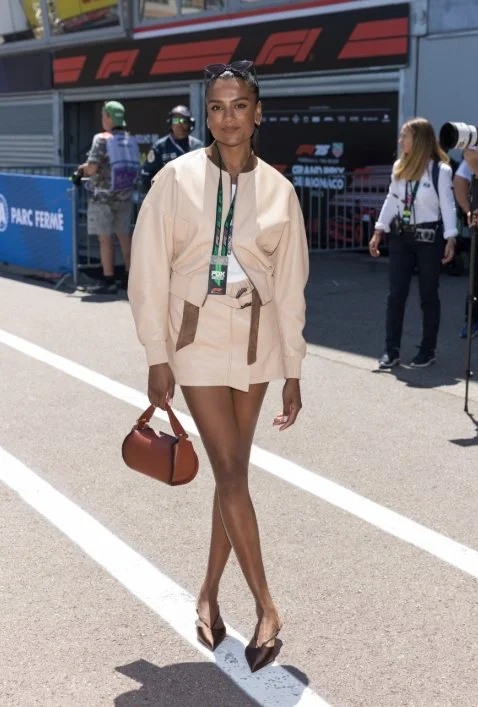
For the first time in a century, the world's most glamorous Grand Prix carries a fashion house's name. Inside the activations, the yacht economy, and the partnership math that turns one street circuit into a global marketing arms race.
@Stemack Sterling Mack
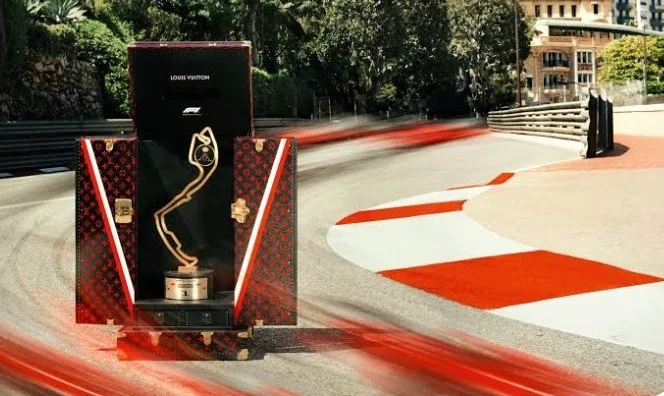
Drive through Monte Carlo this weekend and you didn't just see Formula 1 cars threading the barriers at Sainte Dévote. You saw a brand strategy playing out at 180 mph. The Formula 1 Louis Vuitton Grand Prix de Monaco 2026 ran June 5–7, and the name itself tells the whole story: a near-century-old race that never carried a sponsor now wears one of the most recognizable monograms on earth.
Monaco has always been the place where sport and money openly hold hands. But 2026 marks an inflection point. The race is no longer just a backdrop for brand activations — the brand is the marquee. For anyone working in sponsorship, partnerships, or sports-tech deal flow, this weekend is a live case study in how premium properties and premium brands now fuse into a single product.
01 — The Headline DealLouis Vuitton takes the title
The 2026 race is the first to carry Louis Vuitton's name in Monaco. It's part of a much larger play: parent company LVMH signed a 10-year global partnership with Formula 1 starting in 2025, a deal widely reported in the range of roughly $150 million per year. Monaco becomes the second race to carry the Vuitton name after the Australian Grand Prix, the start of a rotating cycle of title sponsorships at the calendar's crown-jewel events.
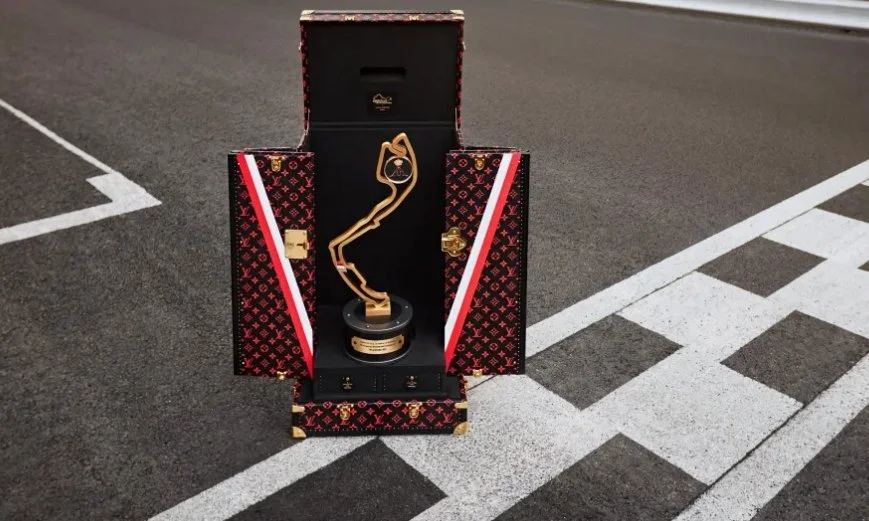
The relationship isn't new — Vuitton has been a partner of the Automobile Club de Monaco since 2021, the same year it began crafting the winner's trophy case. What changed in 2026 is the elevation from supplier and partner to title holder: naming rights, a redesigned trackside graphic identity built around speed, broadcast exposure, and a full week of commercial activation. As Vuitton's leadership framed it, taking the Monaco title was a "natural decision" given how the partnership had grown.
"Victory travels in Louis Vuitton." — the slogan stamped into the bespoke Monaco trophy trunk, finished in red monogram canvas for the Principality's flag.
02 — The Era Before From TAG Heuer to LVMH: a 12-month transformation
To understand why 2026 matters, rewind one year. The 2025 race made history of its own: TAG Heuer became the first-ever title sponsor of the Monaco Grand Prix, ending a streak that ran unbroken since 1929. The Formula 1 TAG Heuer Grand Prix de Monaco 2025 brought iconic Monaco-model clocks into the paddock, heavy trackside placement, and a commemorative logo.
Here's the strategic thread worth noting: both TAG Heuer and Louis Vuitton sit under the LVMH umbrella. What looks like a sponsor swap is really LVMH cycling its portfolio brands through the sport's highest-value real estate — timekeeping one year, fashion and travel the next. That's not a coincidence; it's portfolio management at the level of a global championship.
03 — The PlaybookWhat a modern title activation actually looks like
The interesting part for partnership professionals isn't the logo on the start-finish line — it's the depth of the activation stack. Vuitton didn't just buy naming rights; it built an ecosystem designed to extend the race well beyond Sunday afternoon:
Retail & product
A Monaco-specific capsule collection that reportedly sold out ahead of the weekend through direct outreach to local clients and F1 fans. A new edition of the Louis Vuitton City Guide for Monaco. The brand's Monaco boutique windows reworked with Grand Prix–inspired displays — turning a physical store into a race-week destination.
Experiential & VIP
Backstage and hospitality access, private boxes, and curated meetings wrapped in the house's world — the kind of money-can't-quite-buy-it access that converts sponsorship dollars into relationship capital.
Digital & fan acquisition
Competitions to win race places, prize draws for exclusive items, and digital activations across the weekend. The goal, in the brand's own framing, is to turn a few hours of racing into a total, multi-day experience — and to keep capturing the younger, more female audience F1 has been winning.
04 — Off the TrackThe yacht-and-hospitality economy
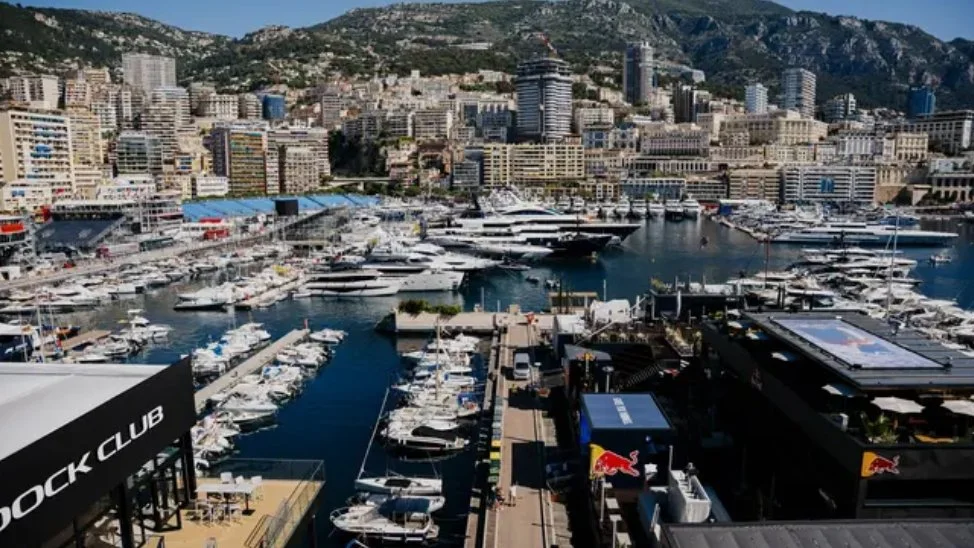
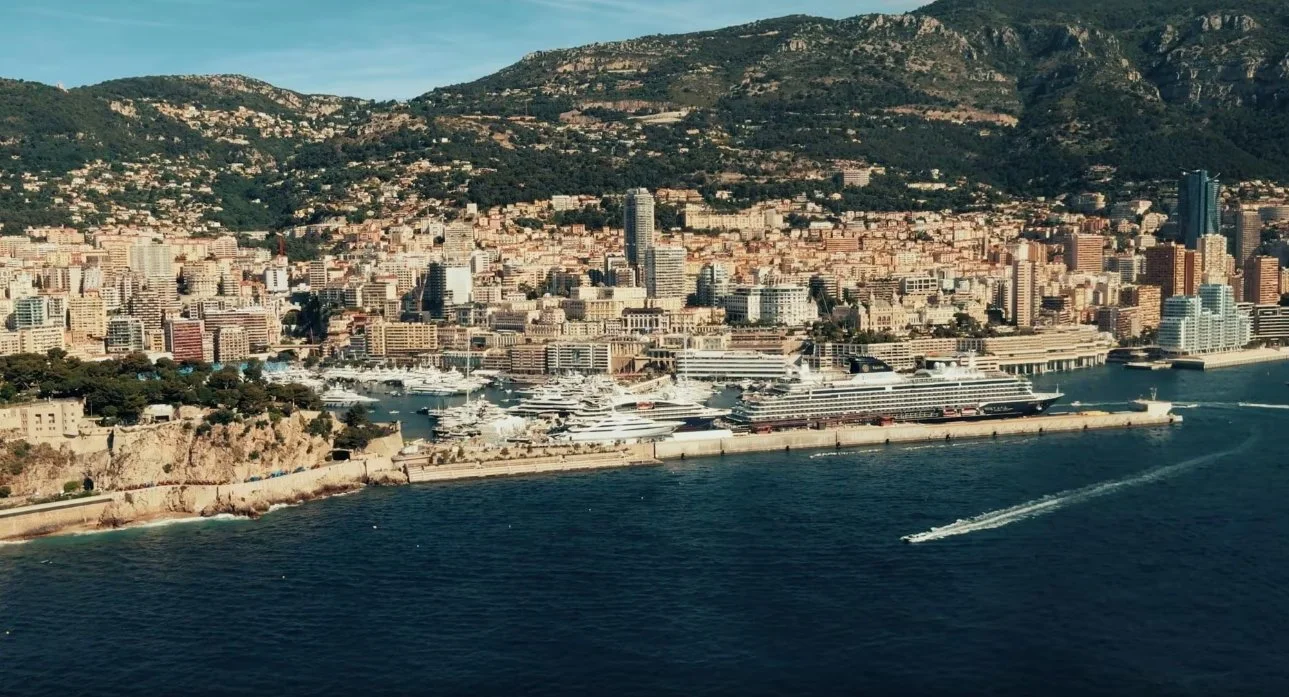
If the circuit is the stage, Port Hercule is the green room — and it might be the most underrated marketing channel in sports. Throughout race week, superyachts moored in the harbour become floating brand activations: client entertainment, sponsor events, private dinners, and invitation-only celebrations that never make the broadcast.
In 2025, the 72.6-metre Lürssen Coral Ocean served as a base for the McLaren team and its sponsors, with drivers spotted on board during race week. MSC's Explora Journeys positioned its newest ship as a floating boutique hotel inside the port. Official F1 Paddock Club Yachts, trackside terraces, and broker-arranged charters round out a hospitality market where a single berth can require a letter of authorization tied to an official team or sponsor.
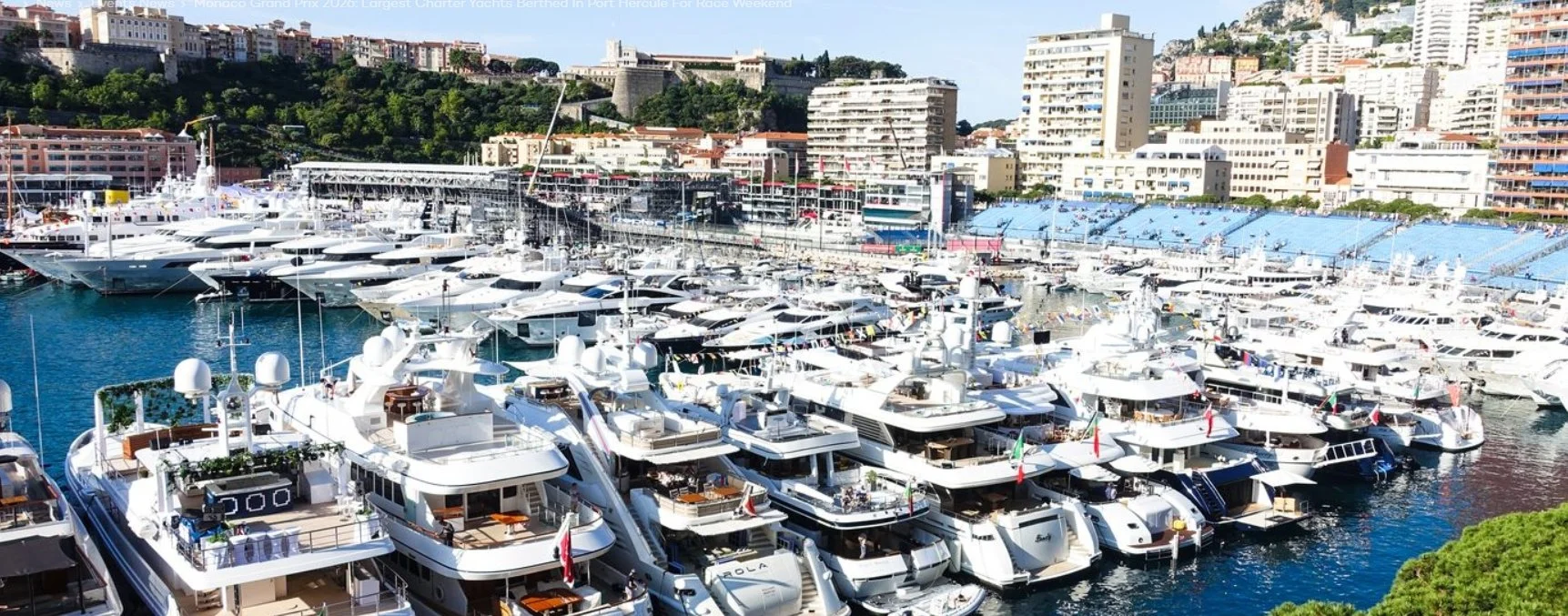
or brands, the yacht economy is the soft-power layer of an F1 sponsorship: the logo earns reach, but the harbour earns relationships. It's the difference between being seen and being in the room.
The Scene — Race Week in Monte Carlo
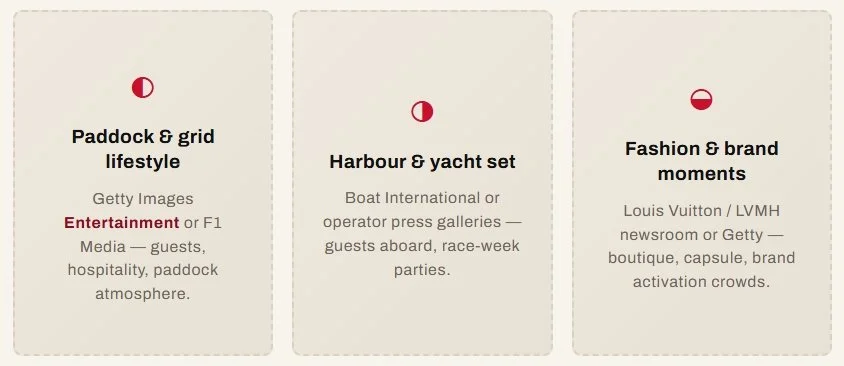
Monaco's pull is as much about who's there as what's on track — the paddock crowd, the harbour set, the fashion-meets-motorsport energy that makes the weekend a culture moment. Drop your own race-week photography or licensed lifestyle imagery into the slots below.
05 — The Partnership MathWhy brands pay Monaco prices
None of this is vanity spending. The numbers behind Monaco explain why luxury keeps writing bigger checks — and why the audience profile is exactly what premium and high-growth brands are chasing.
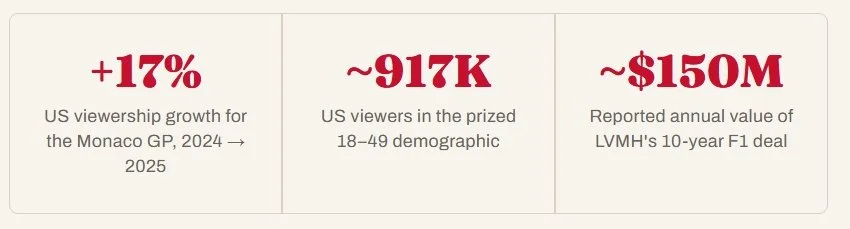
The story the data tells: Monaco is growing in exactly the markets and age brackets advertisers fight hardest for, with rising female and younger viewership. That combination — scarcity, prestige, and a demographic on the upswing — is what justifies premium pricing and lets a single weekend anchor a year of brand storytelling. Controlled scarcity is the asset; the race is just the delivery mechanism.
06 — The F1 SceneThe race: chaos in Monte Carlo
The commercial spectacle was wrapped around a genuinely pivotal sporting moment. 2026 brought what many consider the biggest regulation change in F1 history — new power units and new chassis — and Monaco's tight street circuit was the first real test of whether the new cars could produce racing rather than a procession. It delivered, in the most dramatic way possible.
Championship leader Kimi Antonelli converted his pole into a commanding lights-to-flag victory for Mercedes — his fifth win in a row, and his fifth in the season's six races. But behind him, the weekend unraveled into one of the most chaotic Monaco Grands Prix in years. Max Verstappen suffered a power-unit failure and retired before the end of the opening lap. Home hero Charles Leclerc crashed out, triggering a red flag and writing another chapter of Monaco heartbreak for the Monégasque. Seven drivers failed to finish, including McLaren's Lando Norris. A second red flag flew on lap 68 of 78 when the track surface began breaking up at the final corner, forcing a standing restart that Antonelli handled flawlessly.
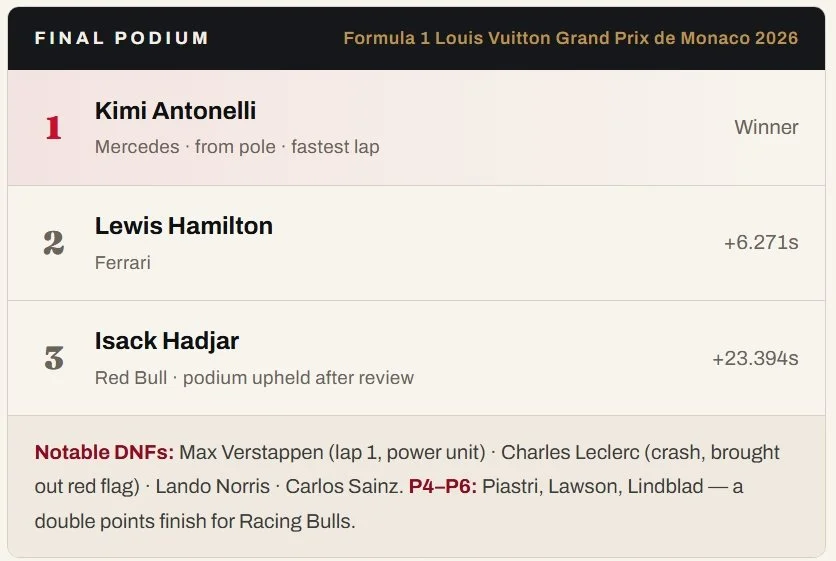
Antonelli now leads the Drivers' Championship by 66 points over Hamilton with six of 22 rounds complete — and his teammate George Russell left Monaco pointless after penalties dropped him to P14. The result is still settling: Alpine requested a review of the penalties that cost Pierre Gasly a podium, and a post-race penalty stripped Cadillac of what would have been its maiden points finish.
Monaco has always sold a fantasy. What's changed is who's holding the pen. In 2026, the title sponsor isn't behind the glamour — it is the glamour. For brands, leagues, and the people who broker between them, that's not a footnote. It's the new playbook.
Sterling Mack
Managing Director, Sports Tech Atlanta
Sports Tech Atlanta is a sports-technology advisory firm brokering partnerships between leagues, teams, brands, and investors. We help rights-holders package commercial assets and help brands turn sponsorships into measurable activation programs.
