The ghost of Trae Young still haunts Madison Square Garden and the new look Hawks are coming to collect

Trae Young was traded to the Washington Wizards, ending his eight-year run as the face of the Hawks franchise. But the rivalry he built with New York and the trauma he inflicted.

The New York Knicks are the 3 seed in the Eastern Conference. They finished 53-29, the Garden faithful are loud, and the city is already printing parade route maps. Let them. Because if there’s one thing this franchise’s recent history has taught us, it’s that Madison Square Garden is not the fortress Knicks fans believe it to be, and Atlanta has receipts.

With the Hawks locked in at 46-36 and peaking heading into the postseason, here is the case for why Atlanta takes this series.

But before we do let’s remember why this has become a rivalry and the impact of Trae Young.
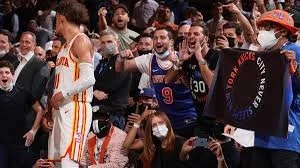
A rivalry forged in MSG’s own noise

It started in the first round of the 2021 Eastern Conference playoffs — New York’s first postseason in eight years. Fans were electric. Spike Lee was courtside. The “F*** Trae Young” chants started before Trae even touched the ball. Then he hit a game-winning floater with 0.9 seconds left, turned screaming Knicks fans, and put his finger to his lips.

He finished with 32 points and 10 assists in his playoff debut — joining LeBron James, Chris Paul, and Derrick Rose as the only players ever with 30 and 10 in their first playoff game. Afterward on TNT he said: “I was waiting for them F-you chants again. I was excited.”

“I guess it started from the playoff series, and in the first quarter, with 10 minutes to go, the whole crowd just started chanting. It’s cool. I didn’t grow up thinking I was going to ever be a villain in New York, but it is what it is. You just embrace it.”

— Trae Young, Club 520 Podcast

By Game 2, the Garden had escalated. Fans were literally handed sheets of paper before tip-off instructing them to chant about Trae’s receding hairline. The “Trae is balding!” chants echoed through MSG in the fourth quarter while he stood at the free throw line.
Trae takes a bow

Why the new Hawks still win this series

Trae is in D.C. now. But the DNA of this Hawks team: scrappy, well-coached, built on depth rather than ego is arguably better suited for a playoff series than the Trae-era squads ever were. The post-trade Hawks went on a tear through the second half of the season: CJ McCollum has been a pro’s pro, the ascension of Nickeil Alexander-Walker and the Swiss army knife that is Jalen Johnson. Add in the deadline acquisition of Jonathan Kuminga and the on-ball defense of Dyson Daniels and the hawks have depth and athleticism.

The Knicks are talented. Jalen Brunson, KAT, OG, Bridges, and a home crowd that is genuinely one of the most intimidating environments in basketball. But they need that crowd. They need that energy. But can Atlanta’s new young core with CJ’s veteran savviness handle the crowd and handle the offensive attack of Brunson and KAT.

The issue the hawks had in the late season meeting with the Knicks was size. KAT and Mitchel Robinson dominated the boards and slowed down the Hawks in the 3rd quarter. If the hawks can rebound at a high level, limit the offensive boards, make Josh Hart a shooter. The hawks should and could beat the Knicks 4-2.

From the Seed Talk Podcast YouTube Shorts

Donate

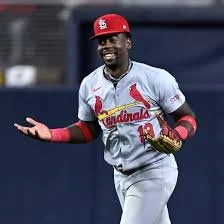
MLB's Black Population Grows Again Two Years After Bottoming Out

The numbers are moving. The pipeline is producing. The question now is whether baseball can sustain the momentum.


Instant Startup Deal Memo Service
$249.00

Instantly elevate your startup's investor appeal with a tailored deal memo crafted by professionals.

  • Create a professional deal memo effortlessly, enhancing your startup's appeal to investors.

  • Get insights into your product-market fit with tailored analysis from seasoned experts.

  • Streamline the investor connection process with clear, concise deal memos.

Unlock potential investment opportunities and set your startup on a path to success with ease and confidence. This service empowers you to focus on growth while we handle the heavy lifting of investor engagement.

What you get: 45 days from day of purchase of connection to Sports Tech Atlanta. After the deal memo is created, Sports Tech Atlanta will begin to direct communication to potential partners. This memo service does not guarantee an investment, deal, or partnership. Throughout the 45 days STA will send weekly check ins to update on outreach targets and communications. Upon completion of the 45 days. STA will deliver a report displaying performance, targets, outreach, and any additional information gathered throughout the process.


At Sports Tech Atlanta, we track pipelines — not just in sports tech, but across every system where investment meets talent development. The story unfolding inside Major League Baseball's diversity numbers is exactly the kind of inflection point worth paying attention to.

On Opening Day 2025, Black players made up 6.2% of MLB rosters — a rise from 6.0% the year prior, with 59 Black players appearing on active and inactive lists and an additional 18 in the minor leagues on 40-man rosters. That uptick is modest by any measure. But context matters here, and the context is this:

In 2023, Black players hit a record low of 6.2% — down from 7.2% in 2022 — the lowest figure since TIDES began tracking the data in 1991, when 18% of MLB players were Black. That was the floor. What we are watching now is the bounce.


Black Player Representation in MLB — Key Years

Year

Black Players %

Notes

1991

18.0%

Peak era

2022

7.2%

Record low at time

2023

6.2%

All-time low (TIDES)

2024

6.0%

Bottomed out

2025

6.2%

Trending back up

Source: TIDES / Institute for Diversity and Ethics in Sport, University of Central Florida


The Pipeline Was Always the Play

This is where the Sports Tech Atlanta lens kicks in. When an ecosystem has a representation problem, the solution rarely lives at the top of the funnel — it lives in the infrastructure built years earlier. MLB understood this, and the data is beginning to confirm the investment thesis.

Of the 59 Black players on Opening Day rosters in 2025, 17 were alumni of MLB Develops programs — including the MLB Youth Academy, the Breakthrough Series, the DREAM Series, the Nike RBI program, and the Hank Aaron Invitational.

That is a program-to-pipeline conversion rate that any investor or operator would want to see. The league did not just write a mission statement about Black representation — it built infrastructure.

MLB's pipeline begins with an annual tour of pro-style camps targeting kids around 13-14 years old, which has grown from 12 stops in 2018 to 18 cities today. That is the top of the funnel. And it is starting to push volume through.


The Draft Tells the Real Story

If Opening Day rosters are the scoreboard, the draft is the engine room — and the signal there has been unmistakable.

Between 2012 and 2021, 17.4% of first-round picks were African American players. That number spiked to 30% in 2022, when four of the first five selections were Black players for the first time ever — and all four were alumni of at least one MLB diversity initiative. In 2023, Black players made up 10 of the first 50 draft selections, or 20%.

In the 2024 Draft, 30% of players taken in the opening round were Black — matching 2022 for the most by total and percentage since 1992. Back-to-back drafts at 30% is not a spike. That is a trend.

The minor league numbers are echoing it. MLB Pipeline's Top 100 Prospects list features 17% Black players — nearly triple the current MLB roster percentage — and 16% of the Top 100 Draft Prospects for the 2025 MLB Draft are Black. The talent is there. The lag is just biology: baseball's development timeline is long, and it takes years for draft classes to matriculate into big-league rosters.

"Back-to-back drafts at 30% Black representation is not a spike. That is a trend."


The Access Problem Is Real — and It's Being Addressed With Dollars

We do not ignore the structural challenge just because the trend line is improving. The sport has gotten expensive in ways that have systematically priced out communities. Programs are largely funded through USA Baseball, covering equipment, meals, and travel for showcases that could otherwise cost upward of $700 per event.

That is a genuine barrier. But it is also a solvable one when capital is aligned correctly. MLB has committed to investing $100 million over a decade in the nonprofit Players Alliance, in part to support and encourage a greater number of young Black players. That is not a marketing line — that is a capital deployment decision. And at Sports Tech Atlanta, we take capital deployment seriously as a signal of organizational commitment.

As former MLB manager Jerry Manuel put it plainly: the sport has gotten so expensive that it has eliminated a lot of our kids. The programs filling that gap — equipment, meals, travel subsidies, mentorship from former pros — are the infrastructure that makes equitable access possible.


What We're Watching

The numbers going from 6.0% to 6.2% is not a headline by itself. What is a headline is the totality of leading indicators pointing in the same direction: draft composition, prospect rankings, program alumni making Opening Day rosters, and eight-figure investment into community access. When multiple indicators align, that is when a trend becomes structural.

Thirty-five players on 2025 Spring Breakout rosters participated in MLB Develops programs — the next generation is already in the system, and they are wearing the league's pipeline programs on their sleeves.

Atlanta has a stake in this story too. Players like Michael Harris II in center field for the Braves — a Decatur native — and Termarr Johnson, who grew up in Atlanta choosing baseball over basketball and football before being selected fourth overall in the 2022 draft, represent exactly the kind of local talent the MLB pipeline was designed to find and develop.

"Baseball was the first major American sport to break the color barrier. The work to make that legacy real in today's game — at scale, with data, and with dollars behind it — is underway."

The floor appears to be in. The pipeline is producing. Now baseball has to sustain it.


At Sports Tech Atlanta, we work at the intersection of sports, technology, and capital. Stories like this one — where pipeline investment meets measurable outcomes — are exactly the kind of signal we believe operators, investors, and communities should be tracking.

Sources: MLB.com, TIDES / UCF, NBC News, ESPN, Essence, Yahoo Sports, Washington Times

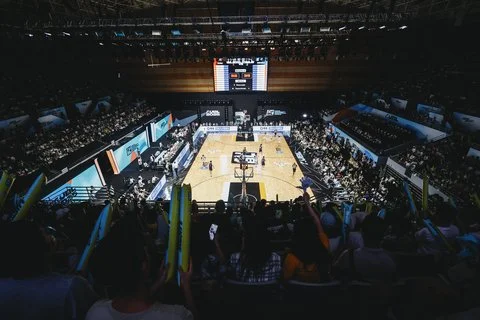
Asia's College Hoops Moment Has Arrived: Inside the AUBL and Its Star-Studded Series A

Asia's College Hoops Moment Has Arrived: Inside the AUBL and Its Star-Studded Series A

College basketball in Asia has long been an untapped cultural force. Universities are among the most recognized institutions in Asian society, and the passion for school pride runs deep. The AUBL is betting — with serious money behind it — that all that energy just needed the right stage.

"Our ambition is not just to run a league; it's to spark a movement that turns Asian university sports into a cultural force. — Jay Li, CEO & Co-Founder, AUBL"

With Yao Ming cheering on Shanghai Jiao Tong, Joe Tsai attending finals in person, and a roster of NBA franchise owners writing checks, that movement looks like it's already well underway.

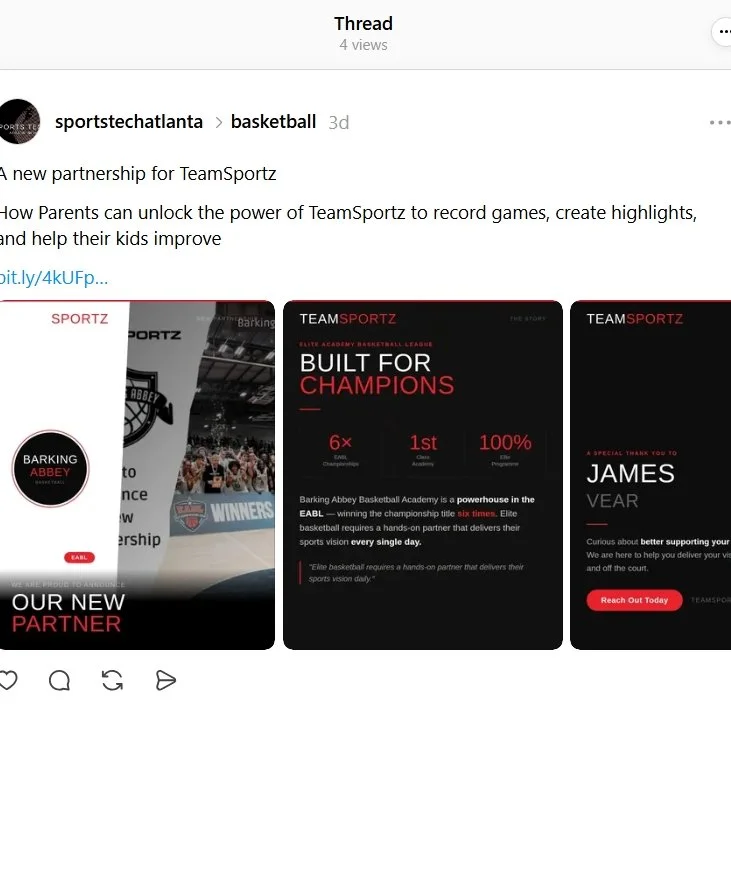
TeamSportz Continues It's Momentum

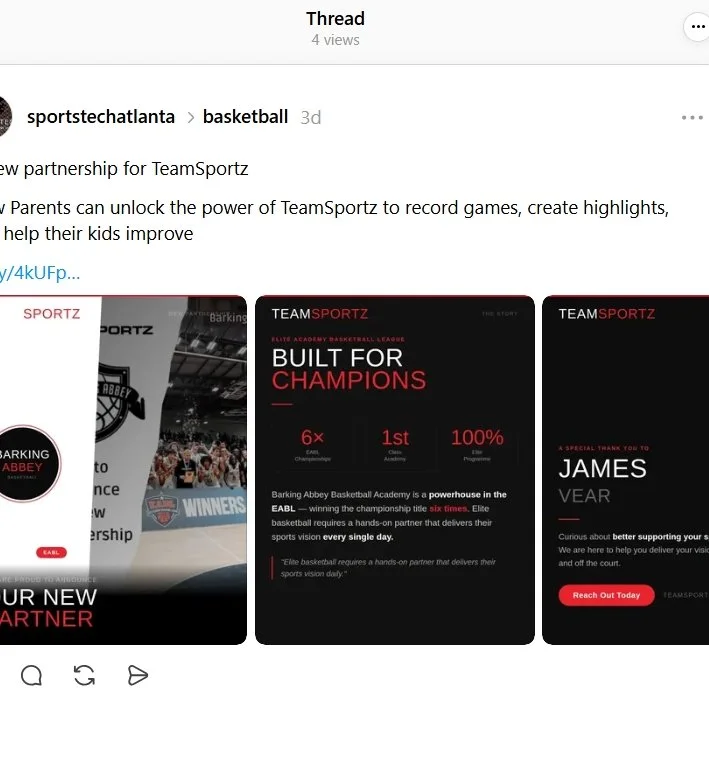
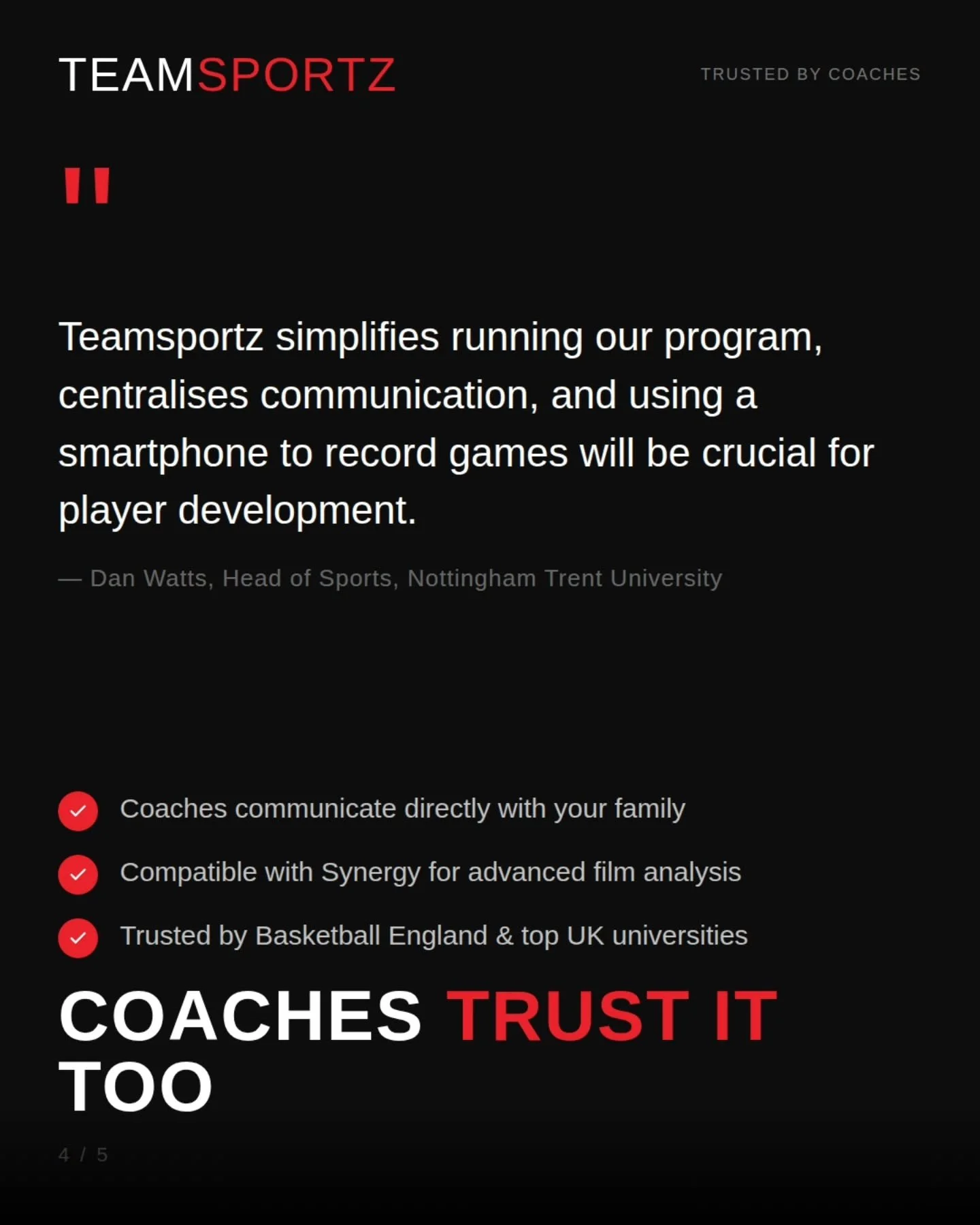
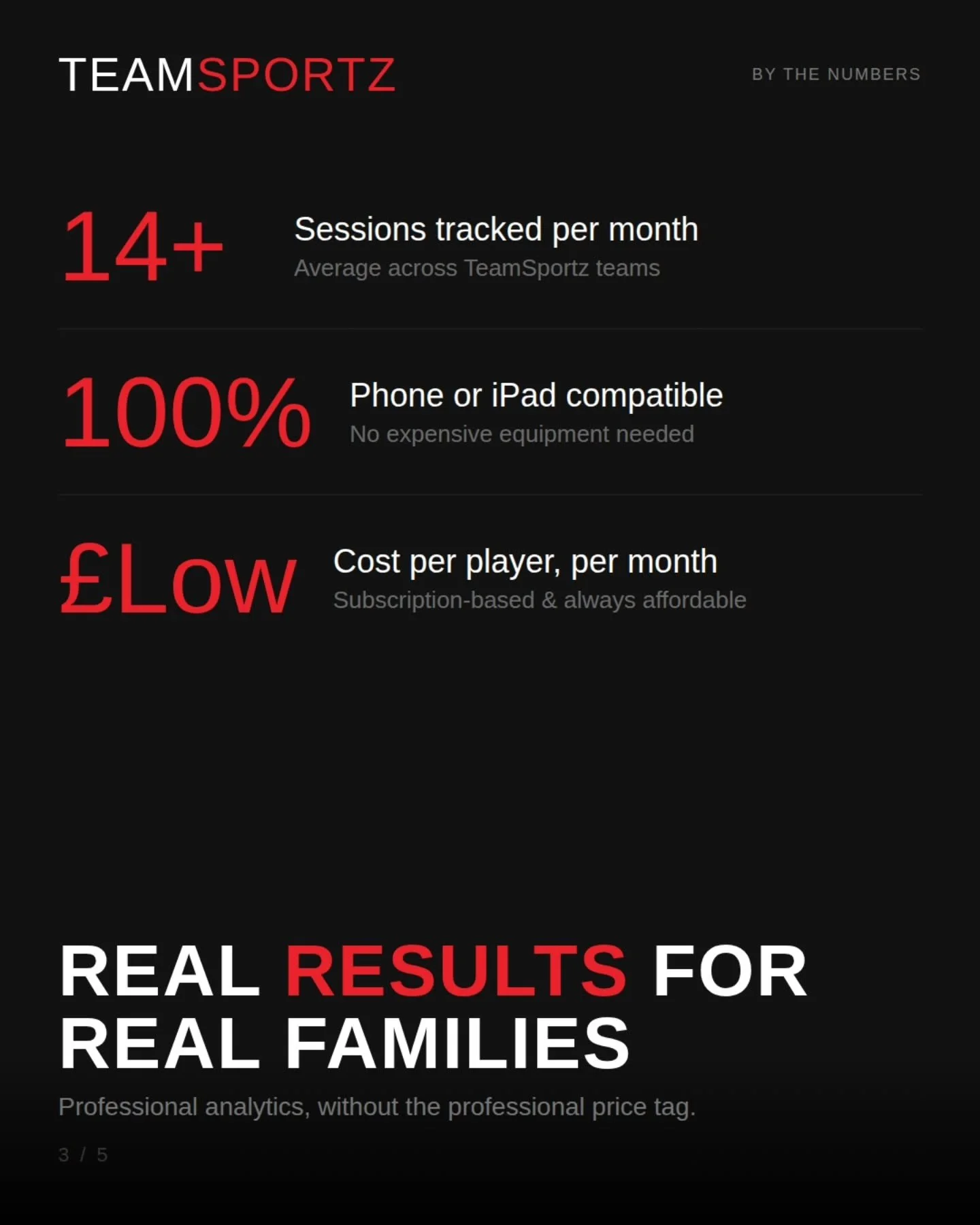
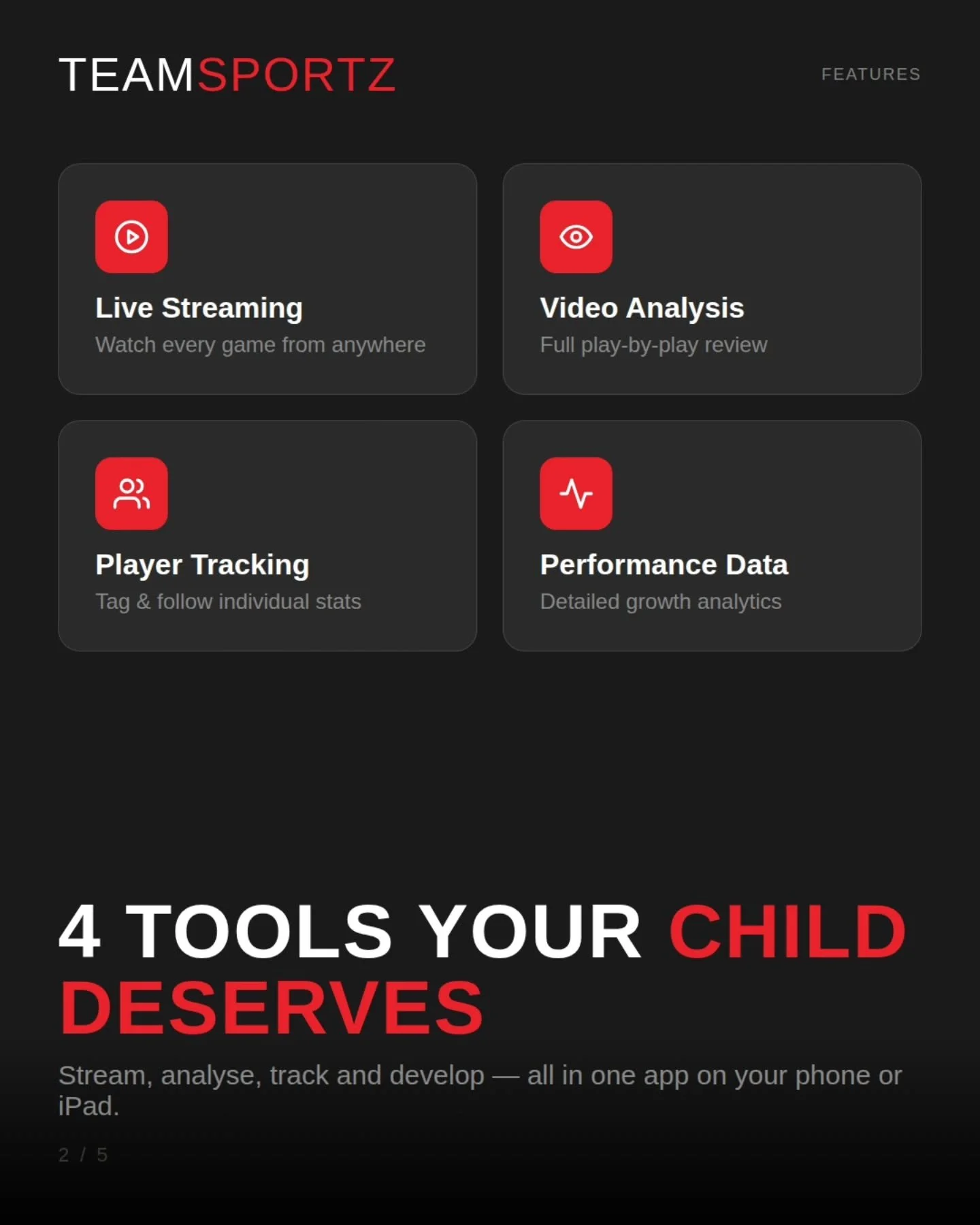
TeamSportz has signed Barking Abbey Basketbal Academy, a powerhouse in the EABL. Click through the below images and if interested in learning more about TeamSportz, reach out to info@sportstechatlanta.com or try it for free