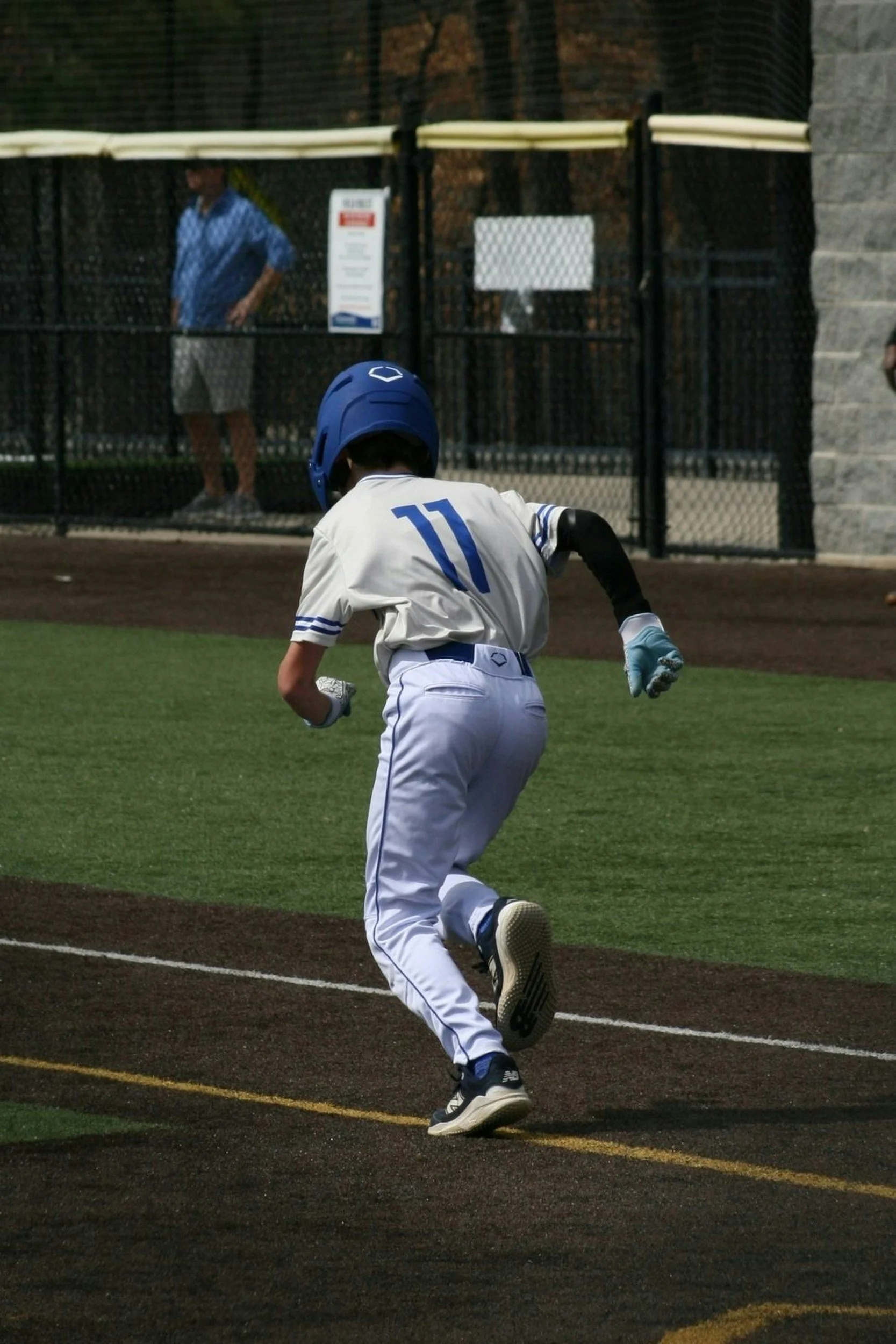
College athletes are getting paid for something more valuable than a logo on an Instagram post: their time, their habits, and their example.
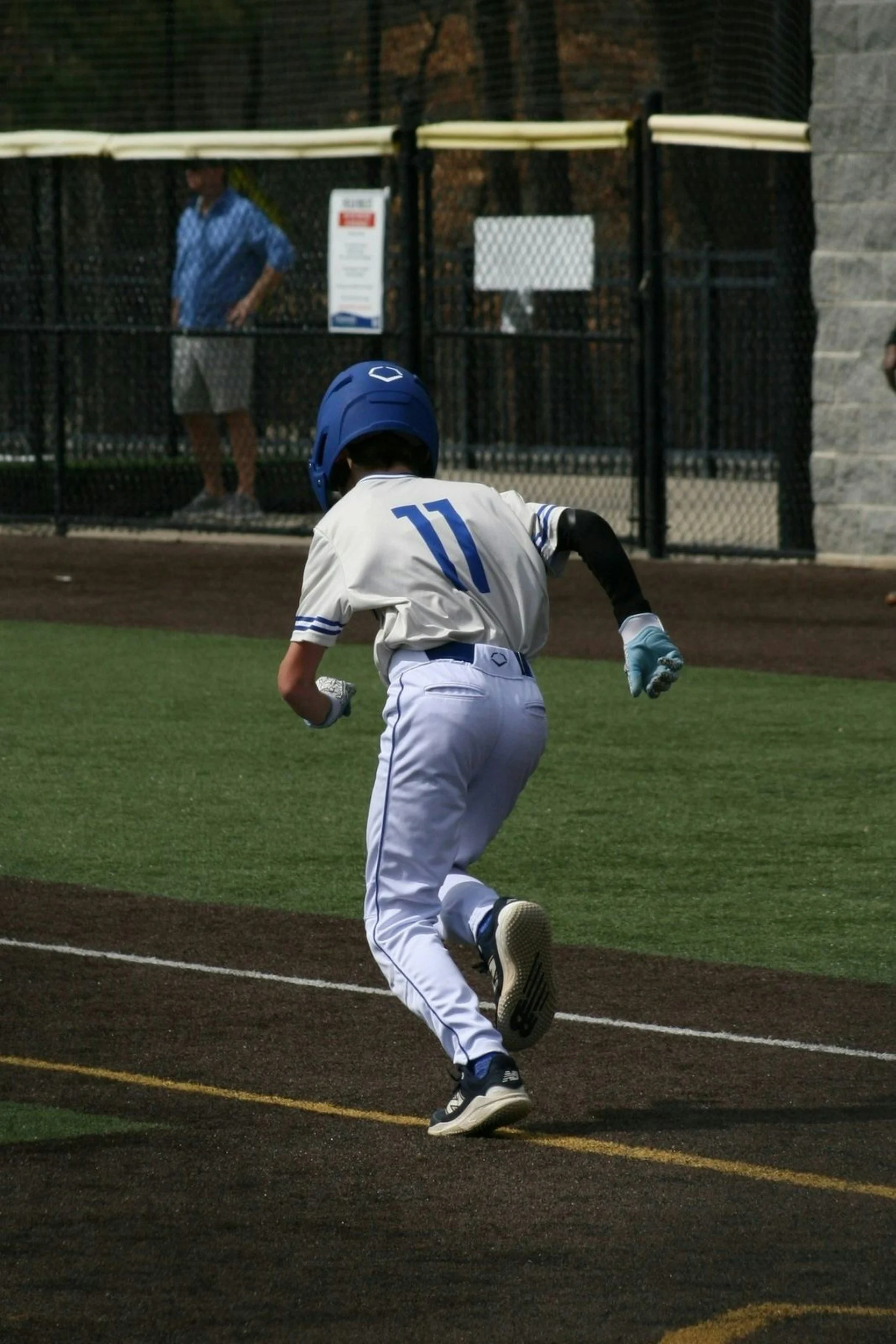
When I played Division I baseball at Indiana, the most useful advice I got had nothing to do with mechanics. It came from older guys who had already figured out how to handle a slump, a 6 a.m. lift after a road trip, or a coach who wasn't happy with you. Nobody paid them for it, and most kids never get access to it.
That gap is exactly what Athlete To Athlete is building a business around, and it just raised $8 million to scale it.
The Deal
Athlete To Athlete, a Santa Monica company founded in 2023, closed an $8 million Series A led by Rally Ventures, with Newbound VC, Scrum Ventures, and UpHonest Capital participating.
The model is simple: young athletes get matched with current college athletes for one-on-one virtual mentorship programs that run 12 or 24 weeks. The focus isn't on recruiting or skills. It's on confidence, resilience, work ethic, and daily habits. The college mentors get paid.
The founders, CEO Anthony Waller and COO Zach Maisus, are both former D1 athletes. They met as lifting partners at UCLA and started the company while they were still undergrads.
The company-reported traction:
More than 35,000 young athletes served
100%+ annual growth since launch
A mentor network spanning 300+ universities
More than 100,000 mentorship sessions expected in 2026
Over 90% of surveyed parents report a noticeable lift in their kid's confidence
The new capital goes toward partnerships with youth sports organizations, stronger safety protections for young athletes, and national expansion.
NIL's Second Act Is Services, Not Sponsorships
Most of the NIL conversation since 2021 has centered on endorsements: collectives, brand deals, and the handful of athletes with big followings. That's the headline version of NIL, and it's concentrated at the top.
Athlete To Athlete points at something bigger. NIL didn't just let athletes sell their image. It let them sell their expertise. A backup lacrosse player at a mid-major has no endorsement market, but she has something a 13-year-old and their parents will pay for: proof that the path works, plus a weekly relationship with someone who's living it.
That makes NIL income possible for thousands of athletes who will never get a shoe deal. It's a labor market, not a lottery. Platforms that organize that supply (vetting, matching, scheduling, payments, safety) are building real infrastructure, and that's a far more durable business than chasing the top 1% of influencer-athletes.
Why Rally Ventures Is the Tell
Pay attention to who led the round. Rally's team includes Justin Kaufenberg, co-founder and CEO of SportsEngine, and Luke Zaientz, formerly co-founder, COO, and CEO of Reigning Champs, the parent of the NCSA recruiting platform.
Those are two of the people who built the plumbing of modern youth sports: registration, team management, and recruiting. When operators like that back a mentorship platform, it's a signal they see athlete development as the next layer of the youth sports stack, sitting alongside the tools families and clubs already pay for.
Zaientz made a sharp point here: recruiting only really matters for a couple of years in high school, while mentorship is useful from middle school on. That's a longer customer lifetime and an earlier entry point than recruiting services ever had. For a youth sports business, that's the whole ballgame.
The Hard Part: Trust and Safety at Scale
Any platform connecting adults with minors lives or dies on safety. It's worth noting the company named safety protections as a core use of funds rather than an afterthought. Background checks, supervised communication, session recording policies, and clear conduct standards aren't just compliance. For parents and for the youth organizations Athlete To Athlete wants to partner with, they are the product.
The second challenge is mentor quality. The pitch only works if a session with a college athlete actually feels different from generic coaching content. Holding that standard across 300+ campuses and 100,000 sessions is an operations problem, and it's where a lot of marketplace businesses quietly fall apart.
What This Means for the Sports Business Ecosystem
A few takeaways for the people I work with every day:
For youth sports organizations and clubs: Expect mentorship to show up as a bundled offering, the same way recruiting and training add-ons did. Clubs that partner early can differentiate their programs and create a new revenue line.
For brands: College athlete mentors are trusted voices in front of a hard-to-reach audience: young athletes and the parents who make purchase decisions. Sponsoring mentorship programs is a more credible, values-led way into youth sports than another banner at a tournament.
For sports tech founders: The lesson is to look past the obvious NIL use case. The biggest opportunities are in organizing the long tail of athlete talent around services people already need, and building the trust layer that makes parents comfortable paying for it.
For college athletes: Your experience is an asset, even if you never go pro. The market for it is getting organized.
The Bottom Line
Athlete To Athlete's raise isn't just another youth sports funding announcement. It's evidence that NIL is maturing from a marketing story into an economic one, where the value isn't a college athlete's follower count but what they've learned getting there.
The kids I played with who had someone to call when things got hard were the ones who stuck with it. If this model can deliver that at scale, safely, it'll be one of the more meaningful things to come out of the NIL era.
At Sports Tech Atlanta, we help sports tech companies, properties, and athletes with partnerships, go-to-market, and capital. If you're building in youth sports or the athlete economy, I'd like to hear what you're working on.
Source: Pulse 2.0, "Athlete To Athlete: $8 Million Series A Expands Youth Sports Mentorship", November 12, 2026.