
Beyond the Stopwatch: How Tech is Redefining the 2026 NFL Combine

At Sports Tech Atlanta, we’re obsessed with the "bridge"—that sweet spot where elite performance meets cutting-edge innovation. This past week in Indy, the NFL Scouting Combine wasn't just a job interview; it was a high-stakes laboratory. While the headlines are buzzing about Brenen Thompson’s blistering 4.26 forty, the real story is the invisible infrastructure capturing every micro-movement.

The 2026 Combine, presented by Microsoft Copilot, has officially moved us past the era of manual stopwatches and into the age of predictive physics. Here’s the tech breakdown from the floor of Lucas Oil Stadium.

1. Next Gen Stats (NGS) and the "Speed Density" Era

We’ve moved way beyond "fast." This year, the focus shifted to Top Game Speed and Explosive Burst metrics.

  • Top Speed Tracking: It’s one thing to run a 4.40; it’s another to hit 20.95 mph while weighing 291 pounds. That’s exactly what DT Kaleb Proctor did, instantly vaulting his draft stock by proving his "functional speed" is elite for his size.

  • The 10-Yard Split Evolution: Scouts are now prioritizing the 10-yard split over the full 40 for linemen and linebackers, using laser-optical sensors to measure the exact millisecond of "initial burn."

2. Spatial Computing and the Digital Twin

The NFL's partnership with Microsoft has brought AI-driven modeling to the forefront. By using "Combine Experience" data, teams are creating digital twins of prospects to simulate how their physical frames (like Rueben Bain Jr.’s much-discussed 31-inch arms) will hold up against veteran NFL tackles.

STA Take: This is the same "Spatial Storytelling" we see in the NBA's latest cloud deals. It’s no longer about a stat sheet; it’s about a 3D profile of an athlete’s potential.

3. Smart Equipment: The 60-MPH Club

The quarterback drills saw some serious heat this year. Using sensor-embedded balls and high-frequency "guns" in the stands, scouts tracked official velocity in real-time.

  • The Benchmark: Garrett Nussmeier and other top arms were flirting with the 61 mph mark. To put that in perspective, Patrick Mahomes’ in-game peak is around 62 mph. This granular data allows GMs to see if a QB’s "zip" fades after 50 throws—a key indicator of arm endurance.

4. The "Athleticism Score" (RAS 2.0)

The Relative Athletic Score (RAS) has gone mainstream, but in 2026, the NGS Athleticism Score is the gold standard. It’s a proprietary algorithm that weighs height, weight, and every drill result against historical data.

  • Historical Performance: Oregon TE Kenyon Sadiq didn't just break records with a 4.39 forty; his 95 NGS score confirms he’s a 1-of-1 athletic freak for the position.

The game is getting faster, but the tech is getting smarter.

Novig Secures $75M Series B to Scale the "Trader-First" Sports Prediction Market

Novig is officially moving sports betting into the realm of high-frequency finance. Today, we are thrilled to announce a $75 million Series B round led by Pantera Capital, with participation from Multicoin Capital, Makers Fund, Edge Equity, and our existing partners at Forerunner, Perceptive Ventures, and NFX.

This brings our total capital raised to over $105 million as we transition from a high-growth startup to a federally regulated financial exchange.


The Growth by the Numbers

2025 was a breakout year for Novig. As the demand for transparent, peer-to-peer alternatives to traditional sportsbooks skyrocketed, so did our internal metrics:

  • 10x: Increase in trading volume over the last 12 months.

  • $4B+: Current annualized trading volume.

  • 23% vs 2%: The percentage of profitable traders on Novig compared to traditional “house-led” sportsbooks.

  • 50+: Our expanded headcount of engineers, traders, and operators.

Why It Matters: Fixing a Broken Market

While the “prediction market” buzz is currently centered on unproven niche topics, Novig is applying that same technology to the largest existing market: Sports. Traditional sportsbooks operate on a “house vs. user” model defined by high vigorish (the “vig”), unfair odds, and the banning of winning players. Novig operates a commission-free, peer-to-peer exchange where users trade against each other—not a house that wants them to lose.

“Others are using prediction market technology to financialize new markets with unproven demand. We leverage it to fix broken markets where demand already exists.” — Jacob Fortinsky, Co-Founder & CEO

The Road to All 50 States

We have officially submitted our application to the Commodity Futures Trading Commission (CFTC) to become a licensed Designated Contract Market (DCM). This is a pivotal step in our mission to become a federally regulated exchange available to every sports trader in the U.S.

What’s Next?

The Series B capital will be deployed across three core pillars:

  1. Institutional Liquidity: Onboarding market makers to ensure deep, efficient books.

  2. Product Innovation: Launching first-of-their-kind features that bridge the gap between live sports and financial market tools.

  3. Regulatory Expansion: Securing the licenses necessary to bring a fair playing field to all 50 states.


The Equity Gap in Your Portfolio: Why Smart Money is Missing the Green on Women’s Cycling and Golf

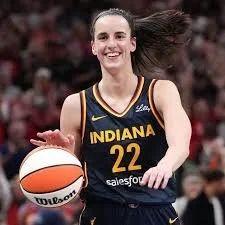
The "Caitlin Clark Effect" is real, but it’s already priced in.


If your brand is just now waking up to the massive ROI potential of women's basketball or soccer, you are late to the party. The entry costs for NWSL and WNBA sponsorships are rising by double digits annually, driven by explosive viewership and a cultural shift that has finally pushed these sports into the mainstream.


While the growth in those major leagues is undeniable, the shrewdest marketers aren't just looking at the packed stadiums; they are looking for the undervalued assets with the highest demographic upside. They are looking at the sports where passion runs deep, disposable income runs high, and the "sponsorship saturation" meter is still low.

Right now, the most significant blind spot in sports marketing lies in emerging and affluent women’s niche sports—specifically professional cycling and golf.

Here is the Sports Tech Atlanta analysis of why brands are leaving massive value on the table in these sectors, and why the window to buy low is closing fast.

The Macro View: The Undervalued Asset Class

The data on the women's sports economy is irrefutable. Analysis shows that between 2022 and 2024, revenue from women’s sports grew 4.5 times faster than men’s sports. Yet, broadcast rights and sponsorship packages often remain priced significantly lower per viewer hour than their male counterparts.

This disconnect creates an arbitrage opportunity for data-savvy brands. 86% of brands sponsoring women’s sports report that their campaigns met or exceeded ROI expectations. Why? Because the audience is distinct. They are younger, value-driven, digital-natives, and exhibit a brand loyalty that traditional sports struggle to replicate. Avid women's sports fans are 27% more likely to purchase from a brand that endorses a popular female athlete.

But while the majors fight for inventory in basketball, the real efficiency gains are in the sports where affluence meets high-engagement tech.

Future: Personal training, anytime, anywhere


The Peloton Power: Women’s Cycling

Professional women's cycling is experiencing a renaissance, fueled by professionalization and digital integration, yet it remains criminally under-sponsored by non-endemic brands.

The Growth Trajectory: The sport has seen an 85% growth in UCI registered teams over the last decade. The introduction of the Tour de France Femmes avec Zwift was a watershed moment, with the race now broadcast in 190 countries. In 2024, the event saw a staggering 238% increase in video views across social platforms compared to 2022, hitting over 74 million views.

The Demographic Goldmine: Cyclists are notoriously gear-obsessed and affluent. They aren't just watching; they are participating, spending thousands on bikes, tech, nutrition, and travel. Sponsoring a women's WorldTour team isn't just about logo placement; it's direct access to a high-lifetime-value (LTV) consumer base that values performance and innovation.

The Missed Opportunity: Currently, the sport relies heavily on endemic sponsors (bike manufacturers, gear brands). Mainstream financial, tech, and luxury brands are missing the chance to own the narrative of grit, endurance, and technological progress that defines women's cycling. Brands like Lidl (grocery) are stepping in, recognizing they can dominate share-of-voice in a way they never could in men's football.


The C-Suite Connection: Women’s Golf

If cycling is about high-output performance, women's golf is about high-stakes access. The old trope of business happening on the golf course is true, but brands have historically ignored the other half of the fairway.

The Affluence Engine: Women’s golf isn't just a sport; it’s a premier networking ecosystem. Research indicates that an estimated 90% of Fortune 500 female CEOs play golf, viewing it as a critical tool for business relationships. Sponsoring the LPGA isn't just reaching fans; it's reaching decision-makers.

Momentum and Money: The LPGA is surging. Prize purses have grown dramatically—up roughly 70% since 2021—with the CME Group Tour Championship purse hitting $11 million in 2024. This professionalization is attracting deeper talent and more eyeballs.

The Activation Gap: While brands like Rolex have seen immense success (LPGA fans are 41% more likely to prefer Rolex), too many luxury, B2B tech, and wealth management firms are absent. They are missing a demographic that is both highly engaged with the sport and possesses significant discretionary income. The ROI here isn't just in product sales; it's in client acquisition and B2B brand equity.

The Tech Activation Mandate

The mistake many brands make is applying a 1990s sponsorship model to a 2025 digital ecosystem. In emerging sports like cycling and golf, a passive sideline banner is worthless.

These audiences are digitally native. The Tour de France Femmes’ massive social growth proves that the battleground is on TikTok, Instagram, and platforms like Zwift.

Winning in this space requires a "Sports Tech" mindset:

  • Data-Driven Creative: Utilizing real-time performance data to trigger contextual ads during broadcasts (e.g., an ad appearing when a cyclist hits a certain wattage or a golfer sinks a long putt).

  • Direct-to-Athlete Partnerships: Women athletes often have higher engagement rates than male athletes and are viewed as more authentic trustworthy. Micro-influencer strategies across a peloton or tour can yield better results than one mega-star deal.

  • Community Integration: Brands need to integrate into the participatory side of these sports—sponsoring Strava challenges for cyclists or virtual tournaments for golfers.

The Verdict

The market for women's sports sponsorship is correcting, but it hasn't finished. The "undervalued" tag on women's basketball and soccer is fading fast.

The smart money is moving to where the demographics are premium, the entry costs are manageable, and the growth curve is just beginning to steepen. In 2025, that means the women’s peloton and the LPGA tour.

CMOs need to ask themselves: Do you want to pay a premium to be one of twenty logos in a crowded arena, or do you want to own the future of an affluent, growing sporting demographic? The blind spot is obvious. The question is who will move first to cover it.

Democratizing the Court: How TeamSportz is Bringing Pro Level AI to the Grassroots

At Sports Tech Atlanta, we often talk about the “bridge” connecting innovative startups with the broader sports ecosystem. While the headlines often focus on major league partnerships (like the NBA’s recent cloud deals), the real revolution is happening where the cameras are already rolling and in the hands of parents, coaches, and amateur athletes.

Enter TeamSportz. This AI platform has been quietly reshaping the grassroots landscape by proving you don’t need expensive wearables or vest trackers to get professional grade data. You just need a smartphone.

As we kick off 2026, the platform has rolled out significant updates that push the boundaries of what amateur teams can do with computer vision and simple mobile hardware.

The 2025 Feature Rollout: Streaming Meets Analytics

The latest updates from TeamSportz signal a shift from pure performance tracking to a holistic “team ecosystem.” They aren’t just counting shots anymore; they are managing the entire match day experience.

Here is a breakdown of the key capabilities added over the last year:

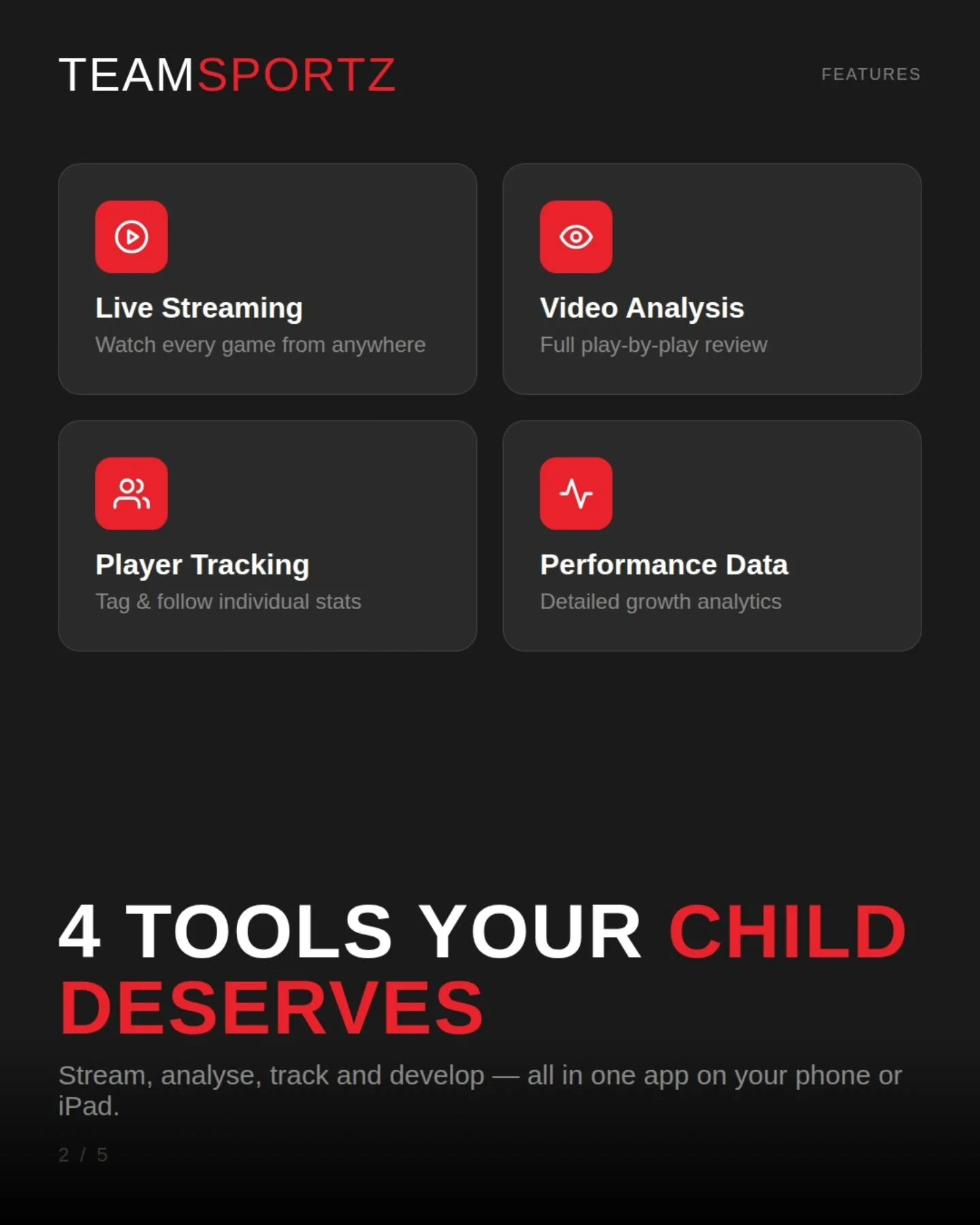
  • Direct-to-YouTube Streaming: In a move that mirrors the broadcast capabilities of Tier-1 leagues, teams can now stream games directly from the app to their YouTube channels. This approach allows grassroots teams to build a following without a production truck.

  • Enhanced Video Command: Coaches now have granular control over playback. Including 10-second rewinds and variable speeds turning every smartphone into a film room.

  • Communication Hub: The platform overhauled its internal chat architecture in late 2025. By integrating polls, reactions, and match day notes effectively removing the need for teams to toggle between WhatsApp, email, and their performance app.

Why This Matters for the Ecosystem

We constantly track how technology scales from across the sports tech ecosystem. TeamSportz represents a critical trend in the global sports tech market: Accessibility through AI.

  1. Zero Hardware Friction: By relying on computer vision rather than sensors, they eliminate the hardware cost barrier that keeps most high school and AAU teams locked out of the data revolution.

  2. The “All-in-One” Play: Fragmentation is a massive problem in youth sports tech. By combining booking systems, video analysis, and communication, TeamSportz is positioning itself as the operating system for the amateur club, university, and emerging league.


Below is a video of how TeamSportz looks on YouTube from partner the Hemel Storm. The Hemel Storm are a British semi-professional basketball club from Hemel Hempstead, Hertfordshire. Founded in 2006, the Storm compete in NBL Division 1.

To learn more reach out to info@sportstechatlanta.com


Why PROTIPPZ Is the Future of NIL for Teams, Fans, and Most Importantly Players

Why PROTIPPZ Is the Future of NIL for Teams, Fans, and Most Importantly Players

PROTIPPZ isn’t just another NIL marketplace. It’s a community-backed NIL platform built to support every athlete by activating the people who already care the most: fans.

Athletes & Fans
👉 Join PROTIPPZ and start tipping your favorite athletes now.

Schools & Athletic Departments
📩 Reach out to info@sportstechatlanta.com to learn how PROTIPPZ can integrate into your NIL plans.